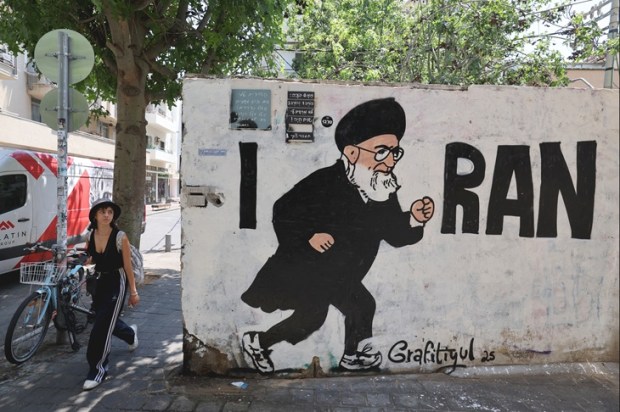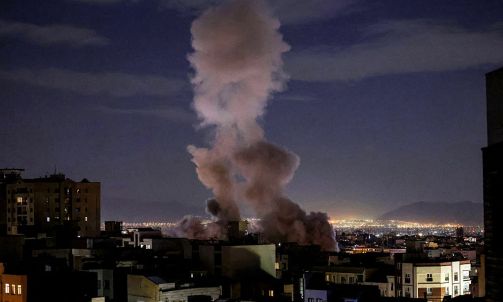
I have always been very critical of Tony Abbott for his inability to recognise his enemies when they were standing in front of him. In the wake of the assassination of the Iranian dictator Khamenei on February 28, 2026, and the reactions here in Australia, I think I have been too harsh on him.
Outright hostility to Israel and to the Jews erupted in parts of Sydney just two days after the pogrom of October 7, 2023. At first it struck me as an immigration-related anomaly. Then the same hostility resumed after the Bondi Beach pogrom of December 14, 2025.
It was clear enough. Yet we still could not face it head-on.
I even saw the Royal Commission’s decision to exclude certain victim and eyewitness testimonies from the Bondi inquiry as a frustrating procedural choice.
It comes from the need to avoid prejudicing the ongoing criminal trial of the surviving perpetrator. Fair enough. But to my layman’s mind, it feels like a dilution of its purpose.
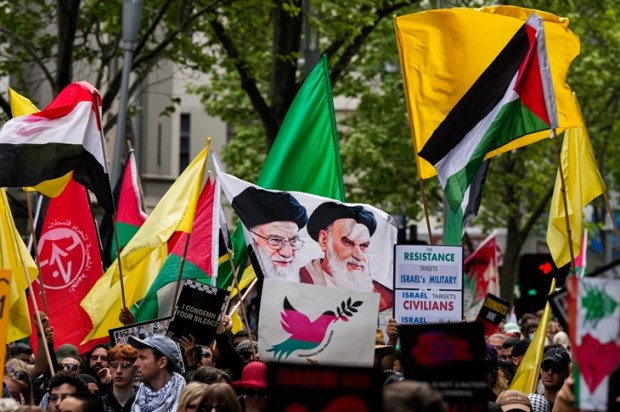
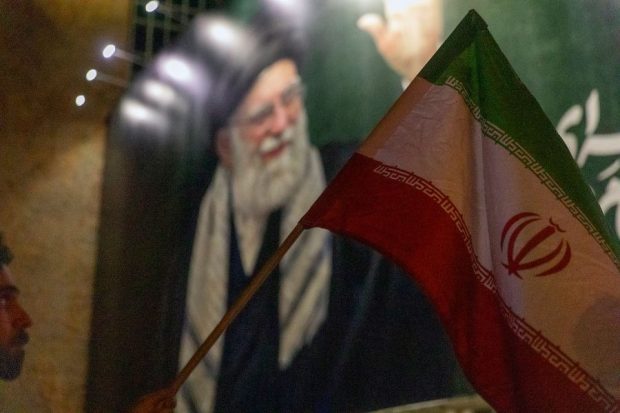
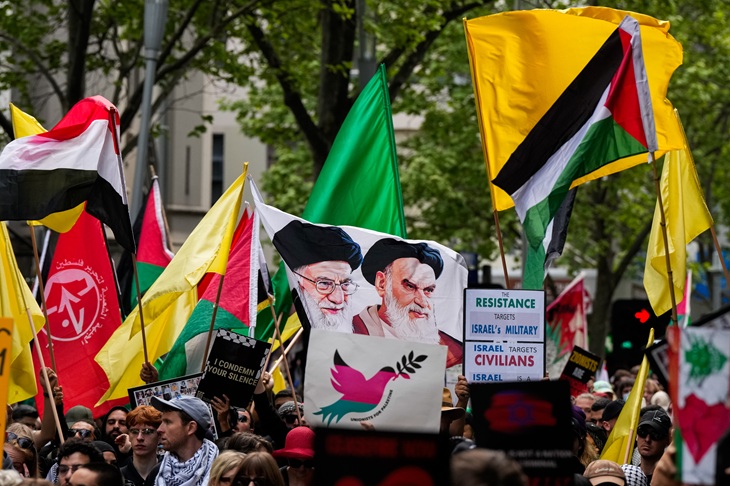
This week we have seen vigils and tributes in several Shia mosques as they mourned Khamenei as a ‘pious scholar’, ‘pure soul’, and ‘martyr’.
Some commentators echoed similar tones on social media.
These displays drew widespread condemnation from the Prime Minister, the NSW Premier, and much of the Iranian-Australian community who celebrated his demise.
The pattern is now unmistakable. A vocal subset within our society openly display sympathy with regimes and ideologies that I believe are hostile to Western values.
This has developed under a one-sided commitment to pluralism that demands tolerance without reciprocity. In my view, it is an approach that is no longer tenable. We must preserve the society our ancestors built. Many in the progressive middle class now seem eager to dismantle it.
Much of the recent discussion around Temporary Exclusion Orders (TEOs) and citizenship revocation for the so-called ISIS brides has alarmed me. Most concerning is the government’s reliance on TEOs. These are temporary bans of up to two years, and are renewable. They manage risks from birthright Australian citizens rather than pursue more decisive measures. This shift stems directly from High Court setbacks. One key case was Alexander v Minister for Home Affairs (2022). It invalidated ministerial powers to strip citizenship for conduct deemed a repudiation of allegiance. The Court ruled it an unconstitutional exercise of punitive judicial power.
As a society, we have permitted individuals who allegedly joined or supported the Islamic State to retain Australian citizenship. The damage to social cohesion is clear. Integration challenges in the UK and parts of Europe demonstrate that Western societies are strained by similar policies. Why persist here unless driven by ideological priorities that sideline public safety?
We now face a government actively debating ways to block or delay the return of birthright citizens from Al-Roj camp in Syria. One TEO was issued on security grounds. Most remain in limbo. Theoretically such measures could one day extend to anyone, including me.
While I am Anglo-Indian on my mother’s side, on my father’s side my family arrived in chains. They fought across 12 wars, including Afghanistan. They endured squalor for over a century. We have sleepwalked into a precedent where birthright citizenship is no longer treated as absolute.
Peering past the surface, the core problem is a profound lack of confidence.
We cannot be sure individuals who defected to ISIS and similar groups can be effectively charged, convicted, or punished in ways that truly protect Australian society.
We have arrived at an extraordinary point in our history. Regardless of misdirected right-wing complaints about joining a ‘death cult’, there are Australians who sided with our enemies during active military conflict. This is the real-world reality regardless of what contemporary law and bureaucratic definitions now permit.
Australia engaged ISIS militarily from August 2014 under Operation Okra. Since the 1990s bureaucrats and the media have insisted on framing such engagements as ‘operations’ or anything but ‘war’. Let me tell you from second-hand knowledge: the diggers being shot at knew full well they were in a war. If you side with our enemies while we are fighting them, it is my personal view that you are our enemy and you should be treated accordingly.
Within my lifetime, treason was punishable by capital punishment. Today we can’t even recognise the historic offence when it is right in front of us.
In contemporary Australia even a life sentence for these returnees is highly unlikely. The most common charges carry maximums of ten years. No one is speaking publicly of these prosecutions. That leaves us confronted by three stark issues.
First, our laws no longer adequately protect society from those who sided against us in a military engagement. Second, the political class and media increasingly speak of citizenship as a revocable tenancy rather than the moral ownership we believe we are entitled to. Third, our immigration and integration systems have become so infused with competing ideologies that we harbour a sympathetic subset for those who have betrayed us.
Meanwhile, the government issues passports and offers no clear path to accountability for loyalty.
The Albanese government’s recognition of a potential future Palestinian state has deepened national divisions more than anything in my lifetime. Yet the celebrations of the October 7 pogrom at the Sydney Opera House on October 9, 2023, before the Albanese immigration wave could take hold, show the truth. The current regime has largely inherited a fractured society which it has mismanaged rather than created from scratch.
And Australia, like the UK and Europe before it, has lost the ability to recognise our dedicated enemies. They exist largely from within the populace. They have been screaming it out loud since Labor governments of the past first floated accelerated multiculturalism. The result is an approach that weakens the birthright of us all.