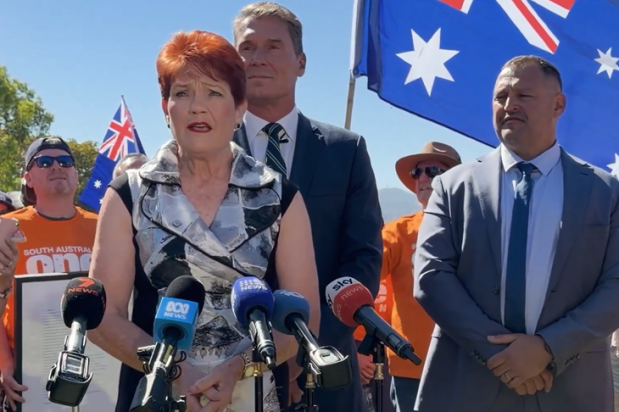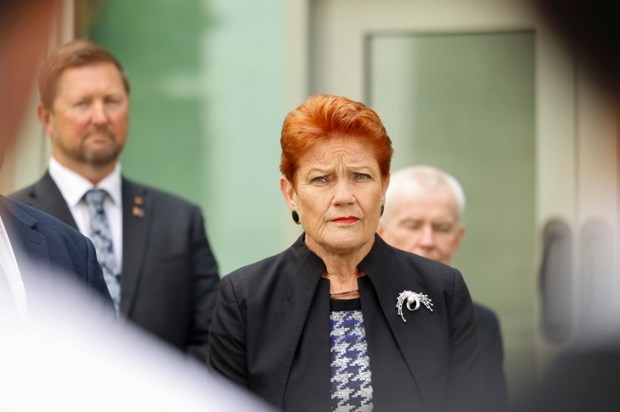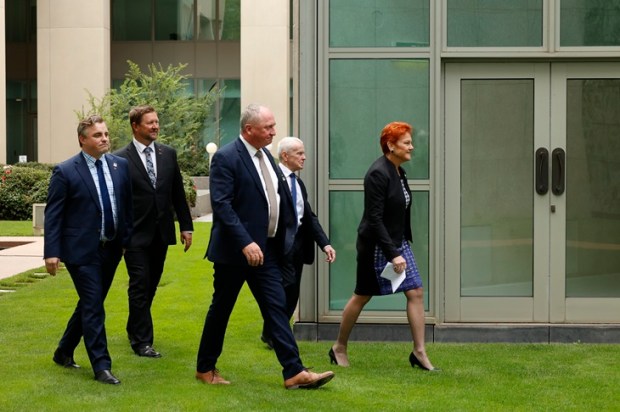
By demonstrating the reality of One Nation’s rise, the South Australian election confirmed turmoil in Australian politics.
This brought to the surface a new contempt for the politically correct agenda that has come to dominate politics in Australia. Not only did One Nation savage the Coalition vote, but it also ate into that of Labor.
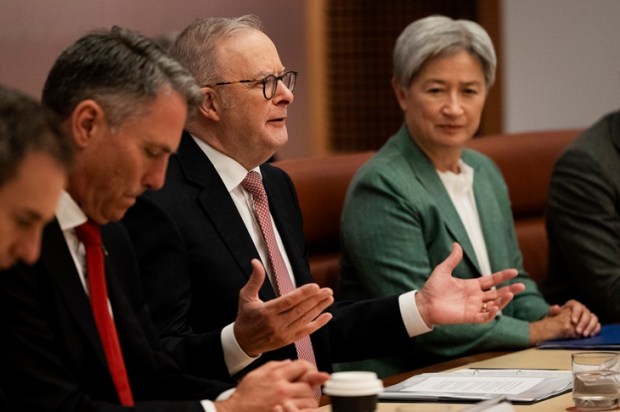
Labor is responding by pirouetting towards a form of hybrid patriotism with multicultural Australia that encourages people to share a drink and argue about the footy… Meanwhile, the Liberals and Nationals are torn between fighting One Nation by adopting its policies or continuing to product-differentiate themselves from Labor and the Greens.
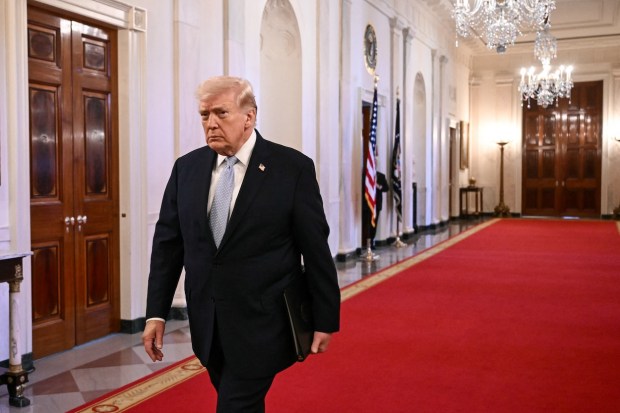
These developments are superimposed on Donald Trump’s radical departure from the post-1945 international framework, particularly with his use of industry protection to drive domestic manufacturing growth.
For the developed OECD nations, the average tariff rate was reduced from 20 per cent in 1950 to 10 per cent in 1970, 6 per cent in 1990 to about 2 per cent by 2020. This created an integrated global economy and prosperity came to tiers of previously poverty-stricken countries – first the Asian tigers (Hong Kong, Singapore, Taiwan, and South Korea), then China, and latterly India.
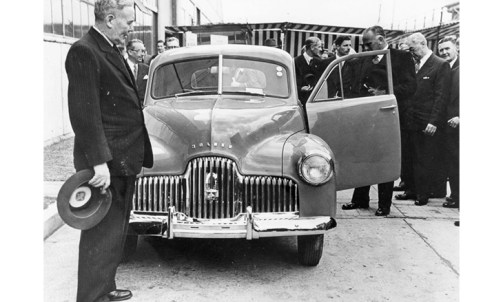
Australia came late to the trade liberalisation party. Forty years ago, we had perhaps the highest levels of tariff protection on manufactures in the developed world. Tariffs on some goods, like motor vehicles and clothing, averaged over 100 per cent.
In 1983, under the Hawke government, Australia commenced a determined program to reduce industry protection. Average tariffs and their equivalents for manufacturing followed the global downward trend, falling from 35 per cent in 1970 to 6 per cent in 2000 and 4 per cent today.
By raising tariffs on manufactured goods, not only those of militarily strategic importance, Trump legitimised similar actions for other nations. Australia had always retained some such interventions, largely justified on the grounds that the government’s ‘holistic’ capabilities made it well suited to selecting and nurturing particular emerging industries. But all such ‘winner-pickings’ by Australian governments have proved to be a total waste of taxpayer funding.
In recent years, the policy has been mainly linked to the fabled emergence of renewable energy that zealots claim will inevitably supplant oil, coal, and gas. This remains central to Labor and the Greens (and Teals) policy frameworks.
It has also featured in that of the Coalition.
Angus Taylor, as Industry Minister in 2021, looked to support ‘an “Australian way” to Net Zero by 2050 that supports manufacturing through technologies like hydrogen, carbon capture, and ultra-low-cost solar’.
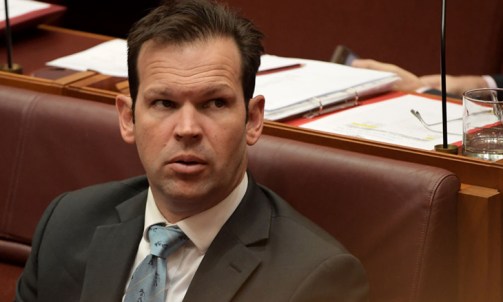
For his part, Nationals leader Matt Canavan has advocated aggressive anti-dumping action against China; Chinese, like other sellers, do sometimes offer their goods at below-cost prices both to establish a market presence and in response to market gluts, though dumping, in the sense of selling below cost to drive out rivals, is an impossible business strategy. To his credit, Canavan has, however, consistently, with his recognition that renewable energy cannot work, pushed back against White Elephants like the proposed Queensland CopperString wind/solar-based electricity network, first broached at a $1.5 billion cost and now proceeding, with the support of the Queensland Crisafulli Coalition government, at a cost of $14 billion.
But the ALP has provided the most serious funding for ‘winner picking’.
Combining the party’s proclivity towards government planning with its modern green ideology, its Future Made in Australia program, announced in the 2024/25 budget, earmarks $22.7 billion for various green energy projects. As in the past, it is my belief that most of these projects will fail – already one project worth $400+ million is having to progress under a new funding structure following the departure of its energy partner.
High natural gas prices in Australia have contributed to the closure of local manufacturing facilities – notably Qenos, Australia’s sole manufacturer of polyethylene, and fertiliser producers across the country. As a result, there is now a political consensus (excluding the Greens) to get cheaper gas to Australian users by requiring producers to allocate more to the local market.
This form of industry assistance avoids the detrimental effects of government or bureaucratic control over supplies, but it still entails costs.
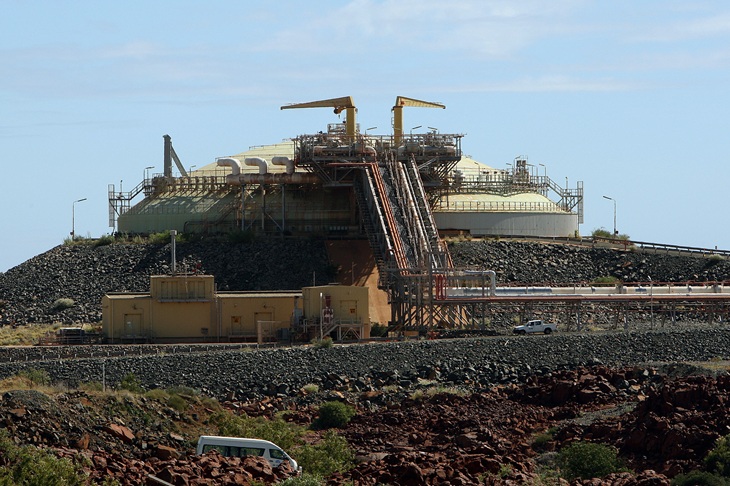
These are illustrated by construction choices, such as one LNG company preferring an 890-kilometre pipeline to Darwin rather than a 220-kilometre pipeline to Western Australia which avoids allocating 15 per cent of production to the local market. At a local price of about $7 per gigajoule, compared to a netback export price (after transport and liquefaction) of $18 per gigajoule, the lost revenue of a WA-landed project would be 6 per cent (with the Commonwealth’s proposed 20 per cent local domestic reservation, there would be a revenue reduction of 8 per cent). That would lead to a far greater reduction in profit (and therefore in tax paid).
As a rule of thumb, deep-sea gas pipelines cost $4 million per kilometre; hence why it’s plausible companies might be willing to pay an additional $2.68 billion to avoid landing gas in WA to maintain commercial viability.
In requiring a domestic gas reservation, governments need to assess whether the cost imposition plus the possible loss of projects offers better value than diverting the gas to local supplies. This is unlikely to be the case for offshore projects, but in any event, the only reason Australia has a gas problem is the political discouragement of new projects (including the forbidding of technologies, like fracking, with a proven safety record).
Aside from interventionist industry policies, the Coalition parties are being crushed between two forces.
On one side is the dominant establishment with policies of mass immigration, soft on crime, attempts at social cohesion by granting privileges to particular groups, and the economic distortions of Net Zero. On the other side is the backlash against the all-too-evident failures of these policies.
Attempts by the Liberal and National parties to find a path between these forces will fail, not least because post the South Australian result, Labor is already beginning to occupy some of this ground. An alternative would offer a more comprehensive set of reforms than those of One Nation but the Coalition parties may not have the stomach for such changes, carry the baggage of their existing policies and have seen their supporting cadres deserting to One Nation or the Teals.