This week I represented the Institute of Public Affairs at John Anderson’s Aspire conference. Anderson believes Australia and the West is at a civilisational crossroads. Slipping confidence, growing divisions, and the erosion of respect for our history and heritage is all borne out in the research.
Social cohesion is at an all-time low according to the latest Scanlon report. Young Australians expect they will be worse off compared to their parents according to the IPA’s Future of Australia survey. The data paint a grim picture, but it also makes the case for exactly the kind of conversation Aspire is determined to have.
Australians need to recognise the challenges we face, especially here at home, develop effective policy responses and equip a new generation of leaders to take up the fight.
A key focus at Aspire was culture – which was interesting, because as progressives have started to lose the culture wars, they have been working hard to frame them as a ‘dirty’ debate that distracts from the real issues. Yet the sophistication and style with which Aspire addressed these topics definitively refuted such accusations.
Held at the International Convention Centre at Darling Harbour in Sydney, the two-day conference overlooked one of Australia’s best-loved and iconic vistas – a reminder that Australian culture is formed by its landscape, as well as its people.
The production values were high. Some may object to this, regarding it as extravagance. But there is a false economy in reducing everything to cost. The right has long prided itself on efficiency. Perhaps in doing so, it has at times underestimated the importance of beauty and symbolism. Aesthetics matter. People are drawn to what is well-made and thoughtfully designed. The venue itself communicated something important about the movement: that it is serious and culturally self-aware.
This message was supported by a star-studded cast of credentialed academics, political speakers and industry leaders from Australia and abroad. The conference was unapologetically intellectual and highbrow. And the audience matched the occasion: emerging leaders and young professionals who understand that political battles are won or lost in the culture long before they reach the ballot box.
The impetus to restart a conversation about culture comes in the context of a long-term, subtle and effective attack on conservatives attempting to engage in the so-called ‘culture wars’ by those on the left. When someone defends having only one flag, speaks out against transgenderism, or about what is taught in schools, they are accused of distracting from the real issues like cost of living or housing.
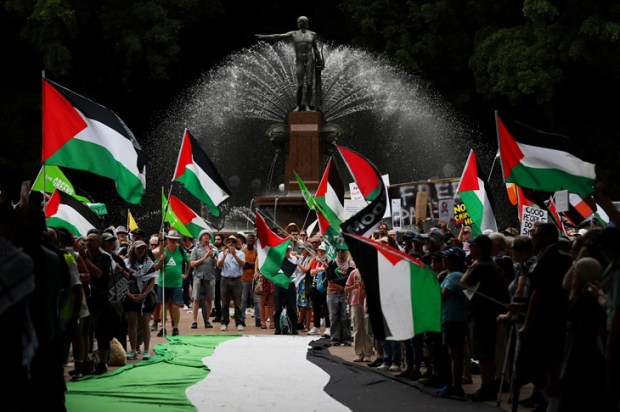
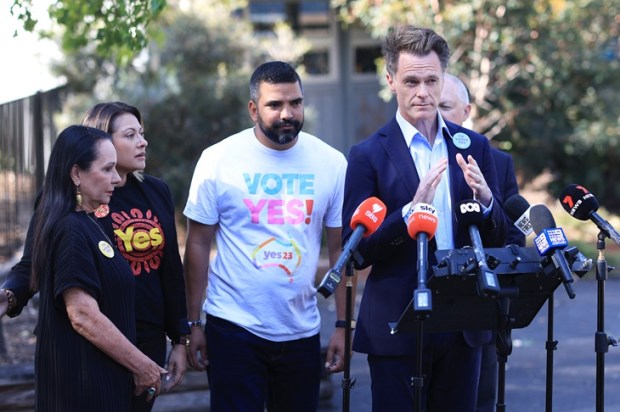
However, just a few short years ago, trans rights, the Voice to Parliament, and the gender pay gap dominated the left’s agenda. Distinctly cultural issues, all of them. But now that working-class Australians are getting fed up with wokeism and the right is speaking to their disillusionment, the left has miraculously rediscovered class solidarity. The culture wars are apparently only a distraction from the real issues.
Let’s be clear: the culture has been under attack by those trying to change it, not those trying to defend it. The people who made it difficult to define the word ‘woman’ are the culture warriors, and remarkably effective ones at that. For them to turn around and accuse ordinary Australians, who simply want a return to normalcy, of waging a culture war is the height of hypocrisy.
Double standards aside, there are serious reasons to fight this battle. The cost-of-living crisis, while vitally important, will eventually abate. What endures is culture: who composes this country, how these people behave, and how they relate to one another. That’s what determines whether Australians thrive. And right now, by almost every measure, the culture is not thriving.
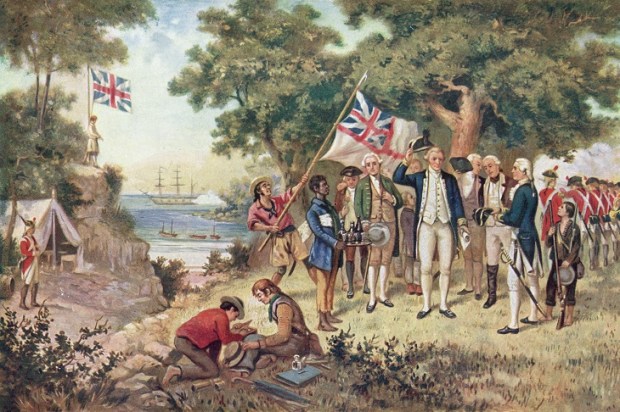
We risk passing on to the next generation a culture in decline. Increasing numbers of men and women are reaching old age childless because elements of our culture have actively discouraged child-rearing. DEI and ESG programs continue to be pushed by government and corporates. Children are often not taught about Australia’s historical achievements. Social cohesion is failing, and Australians are feeling like strangers in their own country. Something is deeply wrong with our country that no economic reform can fix.
That’s why conferences like Aspire and organisations like the IPA matter. Conservatives and the right more broadly have ceded the cultural space for too long, and the left has filled the vacuum. We need to build a narrative that is compelling and that people can rally behind.
If culture is upstream of politics, then reclaiming it is not optional but essential. Aspire was a masterclass on how this could happen.
Brianna McKee is a Research Fellow and the National Manager of Generation Liberty at the Institute of Public Affairs