At the height of John Howard, poodle politics reigned. Party discipline was tight, Ministries unified, and crossing the floor was anathema. From deep within this primordial electoral soup, the late Don Randall emerged. Contrarian, fearless, and pragmatic, this Western Australian ex-teacher won a record 7.2 per cent swing in 2004, becoming the first of a torrent of outer-metropolitan Howard battler MPs who kept the Coalition in power for 20 of the last 30 years. These MPs were a bit different; more vocal, demanding, and perpetually campaigning ‘on the ground’.
Randall was function following form. Australia’s political axis had shifted from affluence, profession, or religion to geography. Cities were increasingly young and socially progressive; think students, public servants, and renters. The regional juxtaposition was an older, whiter work ethic, libertarian and sceptical. These two demographics share a mutual loathing, and collide at the mean commute distance in our largest cities; about 20 kilometres out. MPs like Randall straddled this faultline, appealing to both urban and regional constituencies. Those who prevailed here helped form government.
Both major parties have been slow to understand this new political gravity, but Labor’s decades of grappling with the Greens give them the edge. Avoiding a Coalition allows Labor to call on minor parties when needed, without being tarred by formal arrangement. Contrast this with the Coalition still stuck in last century’s political configuration. The reason Liberals cannot win urban seats is because supporting them amounts to voting for the anti-environment, anti-Climate, anti-migrant, anti-Abortion views they associate with the National Party. The two Coalition partners should separate; win their respective geographies and power-share in government. That is how most of the democratic world operates.
Overlaid on this political topography is social media. The algorithm-driven content swamping our news feeds drives political fragmentation. Since Cambridge Analytica in 2016 and TikTok the following year, social media giants have exploited our engagement data, serving us with what we like, and more critically, removing what we don’t. These echo chambers of micro-resentment lack reason or fact-check and increasingly detest the unfashionably moderate positions taken by major parties.
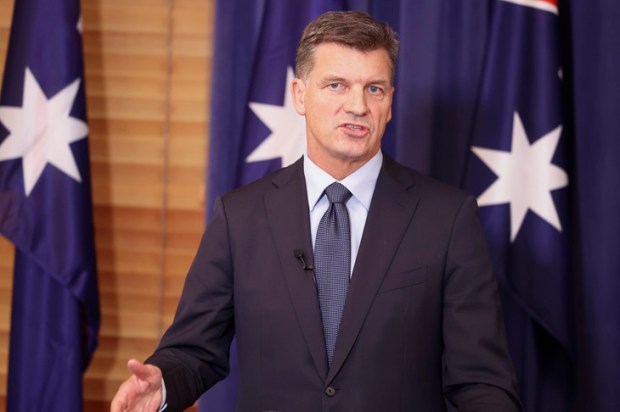
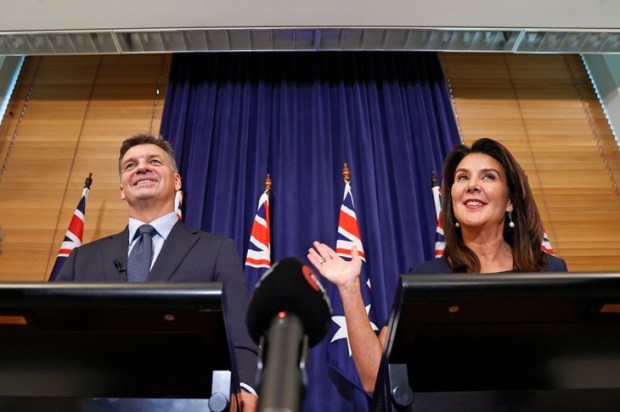
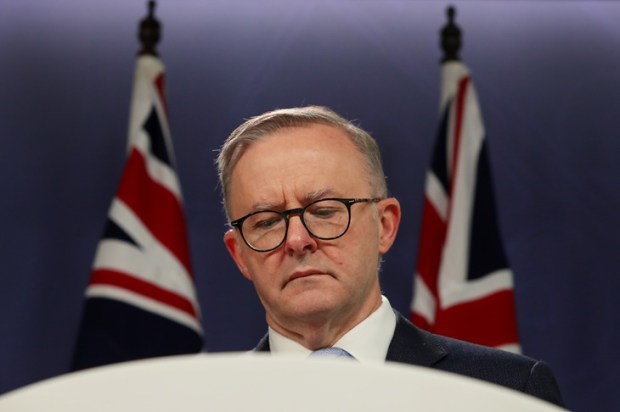
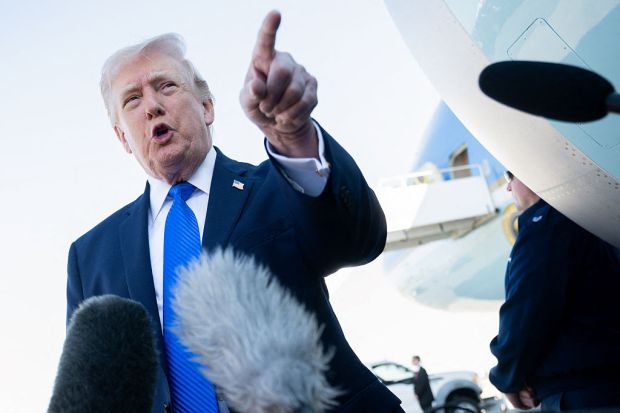
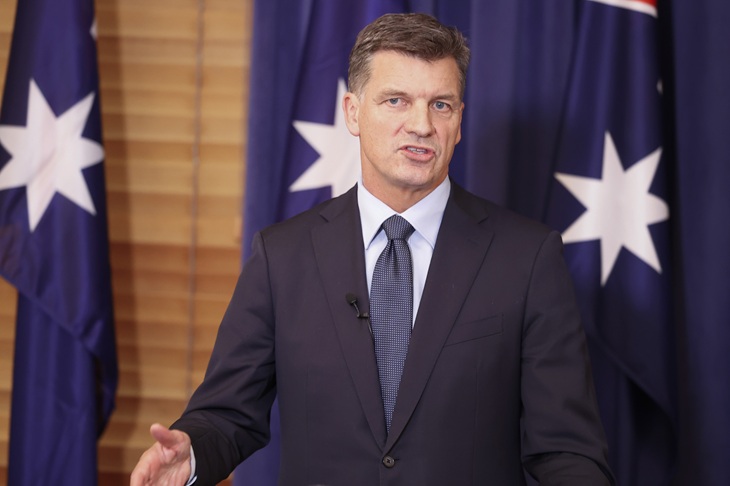
The next Coalition leader will have to manage this farrago of right-wing frustrations, without losing appeal to more moderate families in our cities. That is why Angus Taylor won the leadership this week, because colleagues realise there is no realistic alternative. Albanese’s ‘just another Liberal’ jibe shows he doesn’t yet appreciate the combined threat of political turbulence and a leader like Taylor.
News of Angus Taylor rippled through Parliament back in 2013. He was an international triathlete in his spare time, so many of us wanted to see how big this guy’s heart really was. Elite athletes can appear to operate on another level; a bloke like Taylor can lead a peloton then win a parkrun, but what counts in politics is to clap every other competitor over the line, sell raffle tickets, run the BBQ and clean up afterwards. Voters ask two questions of leaders; do I like them, and are they like me? Being athletic means Taylor is ‘like’ 20 per cent of Australian voters that exercise, but as Tony Abbott showed, it doesn’t mean they will like you.
Taylor in my view is more pragmatic than conservative. In 2015, he shocked Liberal MPs with a new Commonwealth hospital funding proposal that came from another solar system. Such intellectual agility has annoyed colleagues and been framed as running counter to Liberal values. But innovative solutions to problems Labor can’t fix is what puts Liberal candidates above Labor on preferential ballots and opens the door to government.
Four frontbench appointments will be critical. First is immigration; wrangling arrivals back to critical skills, and ensuring humanitarian arrivals are matched to employment before they land. He needs courage in education to raise school, tertiary, and vocational standards. He needs an astute Greg Hunt-type to adroitly balance residential planning and the environment, without giving away political free hits. Last, thanks to Chalmers’ struggles in Treasury, his Coalition replacement will restore respect for RBA independence and restrain public sector expansion, not with cuts, but hiring caps and attrition.
Every leader has weaknesses and Angus Taylor no exception. He is more Mathias Cormann and Christian Porter than Malcolm Turnbull, but like these individuals, is usually the smartest person in the room. ‘Smarts’ can spawn resentment, and this will be Taylor’s challenge; sometimes the least opposed idea trumps the best ones.
No Australian Prime Minister has ever come from the regions, but Taylor’s agri-consulting background is sufficient to keep regional MPs inside the tent, so he can win back the outer-metropolitan seats needed for government. Taylor must channel his self-effacing best and lead with humility, because others can be right sometimes. Too much of a hill to climb? That won’t worry Angus Taylor one bit.

Taylors remarkable 5.7km Parliamentary hill sprint in 24minutes above, including 120metres vertical, is unlikely to be matched.
Andrew Laming was undefeated in six outer-metro federal elections, taking the seat of Bowman from Labor in 2004. He wrote Political Covid; How Australia’s leadership played the pandemic.