The renewable energy bubble is popping globally – though not in countries run by green socialist governments, including the UK, Spain and, sadly, Australia.
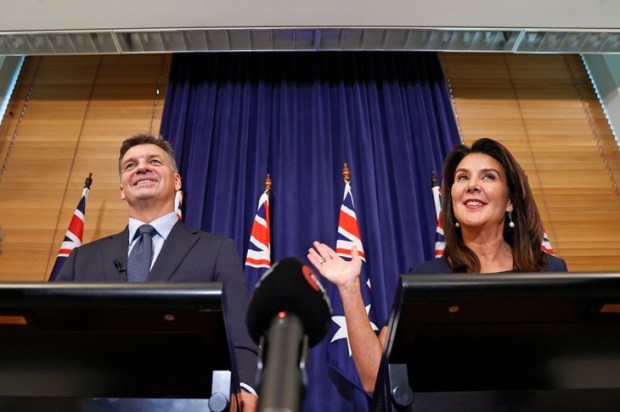
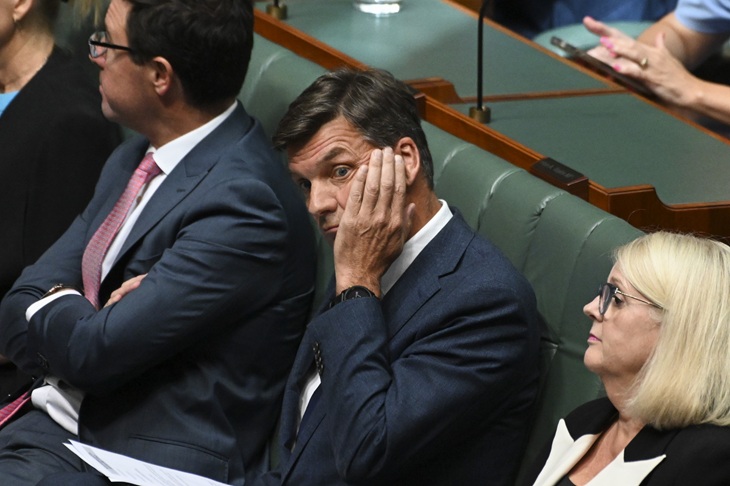
Following Angus Taylor’s elevation, an urgent task for Australia’s emerging anti-socialist forces is to unwind the energy tragedy caused by successive government attacks on coal generation.
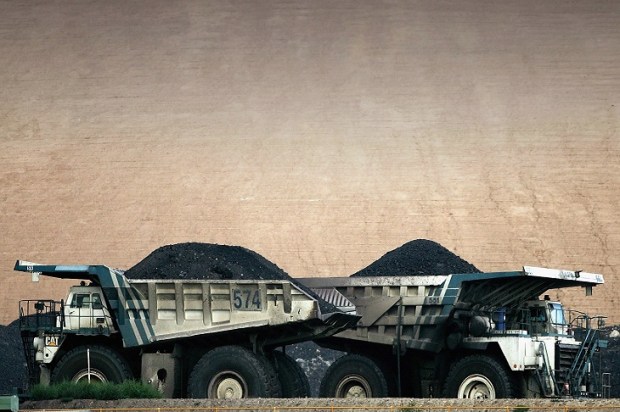
Having once supplied 85 per cent of electricity, coal is now down to 40 per cent and scheduled to be phased out in the next dozen years.
Globally, the US under Trump is leading the way in unravelling damaging government policies that promote wind and solar at the expense of lower-cost, reliable supplies.
Having exited the Paris Agreement on emissions reductions and terminated most federal subsidies, the Trump Administration has gone even further, recently announcing $175 million in assistance for six coal plants. The US has also repealed the Obama-era ‘endangerment’ scientific finding, under which greenhouse gas emissions, at a claimed one trillion-dollar regulatory cost, were weaponised to prevent new coal and gas generation plants.
The US is moreover proselytising: Secretary of Energy Chris Wright noted, ‘Germany invested half a trillion dollars, more than doubled the capacity of its electricity grid, and today produces 20 per cent less electricity than before that investment, selling it at three times the price.’
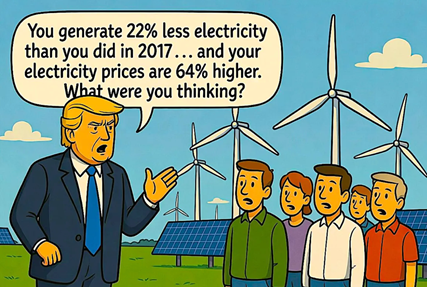
Ouch! However, Germany is now taking baby steps toward dismantling renewable subsidies, including ending the free provision of new networks.
No such luck for Australia.
ALP and Green politicians continue to promote lies about the nation needing to replace coal with wind/solar generation to prevent wildfires, floods, droughts, heatwaves, cyclones, or whatever is the unfortunate weather event of the day. And the subsidies to renewables, now running at $16 billion a year, continue to be augmented. Importantly, alongside direct subsidies, regulations requiring the use of renewables, new transmission lines, and soft loans, we now have the Capacity Investment Scheme (CIS).
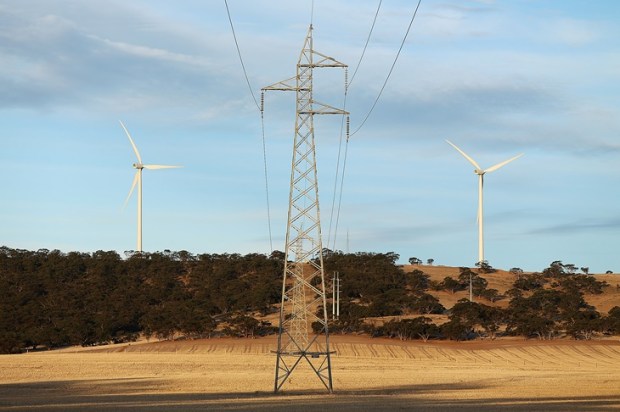
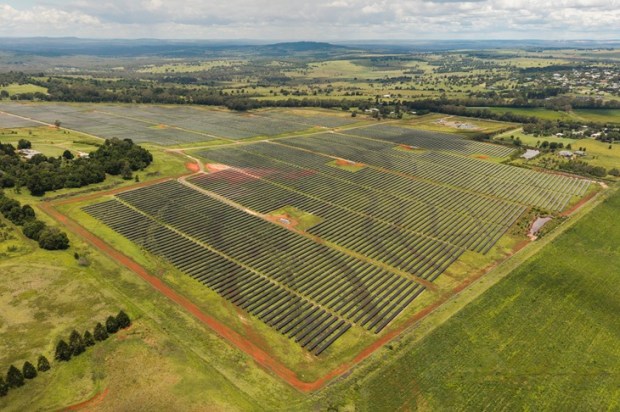
Under the CIS, Minister Bowen plans to spend $85 billion in contracting renewable energy at unrevealed prices (likely more than double those from coal generators). Wind/solar currently provide 36 per cent of Australian electricity from a capacity of 22 GW and the CIS will add another 40 GW (half of which is already contracted). This will displace the remaining 23 GW of coal, which is not subject to the climate/day-night intermittency of wind and solar.
These plans, building upon the existing damaging measures, mean a catastrophic economic outcome is in the making. As a result of the forced replacement of coal by renewables, Australian electricity prices have risen from among the lowest in the world to among the highest. They are now more than double those of China and India, and 50 per cent above the US average (the wooden spooners – Germany and the UK – have even more wind and solar than Australia and are saddled with energy prices 30 per cent higher). This is forcing the closure of refining industries, where energy typically accounts for a third of total costs; the Albermarle lithium plant in Western Australia is the latest victim of this.
It is inconceivable that the ALP/Green Commonwealth government can extract Australia from this burden. Those MPs, and many within the Coalition, are too wedded to the support they obtain from the beneficiaries of renewable subsidies. Some also feel too indebted to the electoral support of voters who have been convinced, despite overwhelming evidence to the contrary, that carbon dioxide emissions threaten humanity, and to the propaganda that renewables are the cheapest form of energy.
One Nation, with Senator Malcolm Roberts (and now MP Barnaby Joyce) as key policy formulators and with energy/climate expertise, has been well placed to set the agenda. This includes:
- withdrawing Australia from the Paris Agreement
- repealing legislation that enables ‘Net Zero’ and abolishing subsidies
- severely restricting renewable energy installations and transmission lines
- mandating the use of environmental rehabilitation bonds on all energy projects
One Nation’s policies require further thought – for instance, the gas policy seeks more regulation on supply and extraction, and it is unclear whether rooftop solar is included within the subsidy abolition. Even so, they provide the basis for a Taylor-Hanson partnership to proceed.
But the Albanese government’s policy settings, centred on the CIS, include poison pills ostensibly to reduce commercial risk (thereby increasing taxpayer risks and costs). The CIS contracts are set to cover 15 years, the intent being to bind future governments.
Attempts to unravel these contracts will be met with advice from the same bureaucracy that designed them, that doing so would expose Australia to ‘sovereign risk’. The advice will be that to renege on commitments signed by the responsible Minister would be unacceptable to the global business and financial community. Public servants will point to the Victorian Andrews government, which cancelled the East-West road contract and, even though they had foreshadowed this when in opposition, paid compensation of $1.1 billion. Advisers will further argue that such actions would result in higher interest rates, which could easily cost the Commonwealth over $10 billion a year on its $1 trillion national debt.
Hence, a reforming government is best placed to seek the cancellation of these crushing economic (and environmental) contracts by strictly enforcing delivery milestones and insisting on the necessary permits. It might also, depending upon the specifics of a contract, seek to encourage cancellation by imposing additional charges for grid connection and (as One Nation already proposes) land remediation. It may also impose additional unforeseen taxes on renewable energy, a measure contemplated by the Trump advisers in repealing the Biden Administration’s so-called Inflation Reduction Act’s renewable energy policies.
One thing is certain: the long tail of costs from energy contracts entered into by the Albanese government will poison the economy for a decade and a half, perhaps indefinitely, if left to fester.