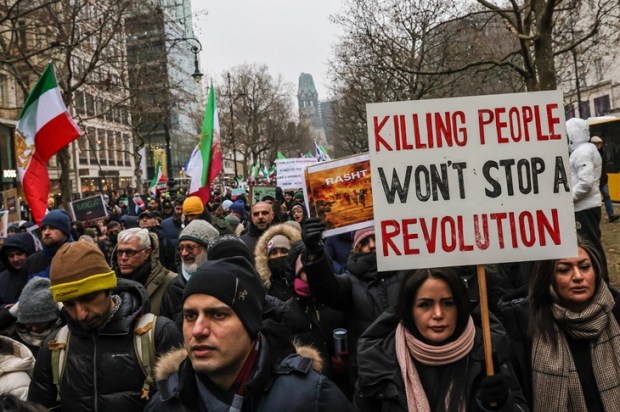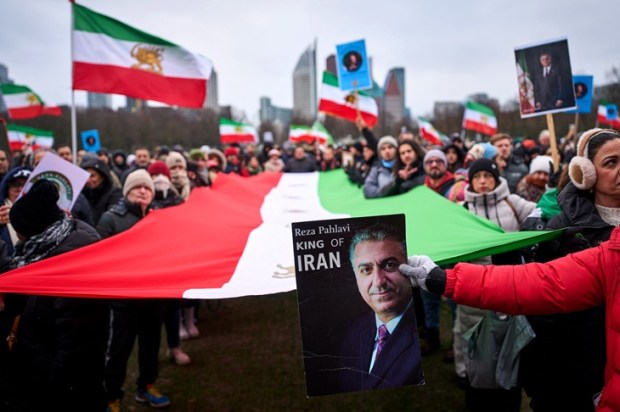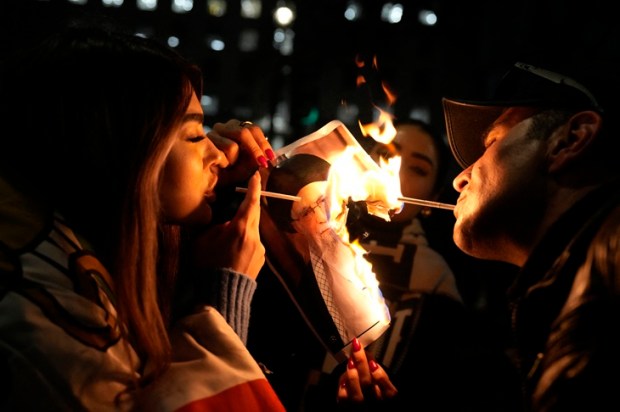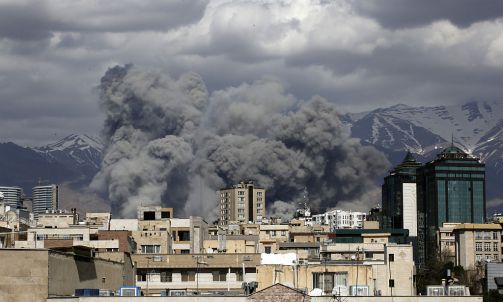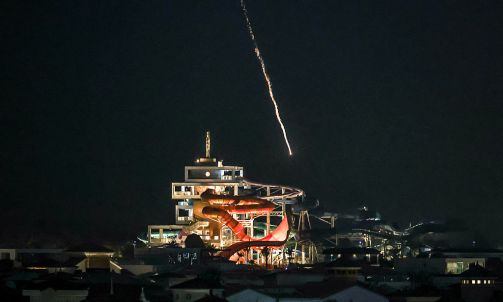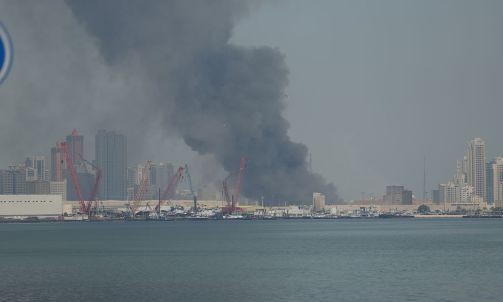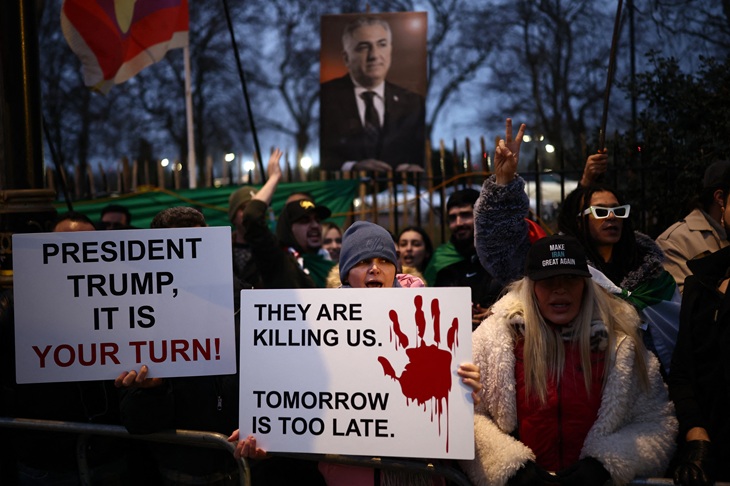
Over the past two days, Iran has witnessed one of the darkest and most shocking chapters of its modern history.
The nationwide shutdown of the internet and electricity in many cities was not a technical or security measure, but a deliberate attempt to hide the truth.
A truth that, after two days, was revealed through videos and reports in a stark and horrifying way: the massacre of Iranian people in the streets.
According to official figures that have now been released, around 12,000 Iranian citizens were killed in this short two-day period. By any human standard, this number represents a full-scale catastrophe.
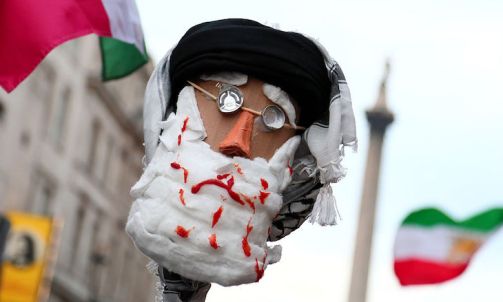
Streets turned into bloodbaths.
Unarmed civilians, whose only demand was to reclaim their dignity, identity, and future, were shot.
This was neither a ‘clash’ nor ‘crowd control’, but an open and unprecedented crackdown on a nation that no longer accepts living in silence or hiding its Iranian identity inside their homes just to survive.
They want to take their country back and restore the dignity and prosperity it had before the 1979 uprising.
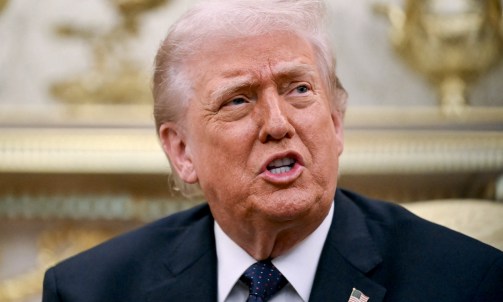
During these days, the President of the United States, Donald Trump, officially addressed the Iranian people, urging them to continue their protests and stating that the names of those responsible for these crimes would be recorded and that they would be held accountable. Regardless of political analysis, this message reflected that the courage of the Iranian people has been seen by the world.
At the same time, Reza Shah II issued a clear and historic call to the Iranian nation, stating that today there is a deep gap between the people and the Islamic Republic regime a gap filled with the blood of Iran’s children, blood that will never be forgotten. He emphasised that the bravery of the Iranian people has been witnessed globally and that this resistance will remain part of the nation’s historical memory. In another message, he addressed the military, saying: ‘You are the army of the Iranian nation, not the army of an occupying Islamic regime,’ and called on them to join the people.
As an Iranian living in Australia and active in social and cultural fields, I am faced with a painful and serious question.
How is it possible that groups who constantly claim to defend women’s rights, children’s rights, and humanity in the media are now silent in the face of 12,000 deaths in just two days?
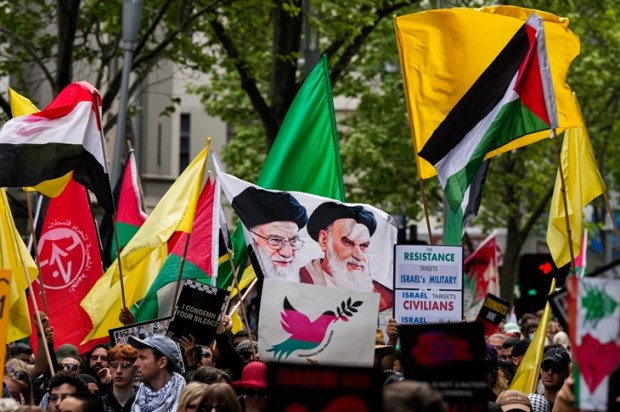
Why are the same voices that loudly protest for Gaza and Palestine silent now?
Are 12,000 deaths in two days considered ‘normal’? Or is this silence rooted in political and ideological interests tied to ongoing conflict and war?
There are 57 Muslim-majority countries in the world, yet a heavy silence dominates in response to this mass killing.
Still, the Iranian nation stands proud. After years of repression, identity distortion, and imposed fear, people have returned to their true identity: being Iranian. This return is not a slogan, but a conscious and costly choice.
Despite this two-day massacre, today, January 14, the streets of Iran were once again filled. People exposed their chests to the bullets of the occupiers and, with clenched fists, shouted: ‘Javid Shah!’ This was not a cry of surrender, but the voice of a nation that has chosen to stand, even if the price is life itself.
What is happening in Iran today is a test for the world’s conscience. History will remember not only those who committed these crimes, but also those who remained silent.
Leila Naseri: Author | Composer | Social Cultural Activist