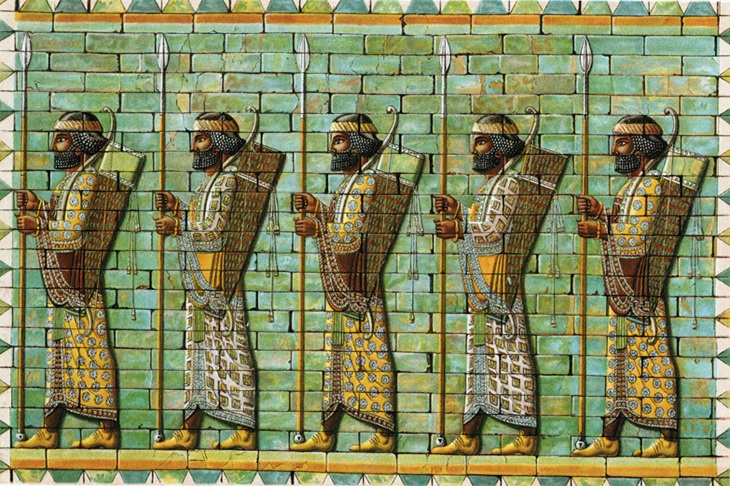
The Achaemenid Immortals were the elite and permanent guard of the Achaemenid Empire a force that served both as the king’s direct protectors and as the backbone of major military campaigns.
Ancient sources consistently record their number as ten thousand, a precise and symbolic figure maintained through a deliberate system: whenever a soldier was killed, fell ill, or left service, he was immediately replaced so that the unit’s strength never diminished. This is why they were called ‘Immortals’ – not because they did not die, but because their mission and responsibility continued without interruption.
The core of the Immortals consisted of selected Persians, alongside Medes and other closely related Iranian peoples. This deliberate composition ensured political loyalty, cultural cohesion, and operational unity. The unit was distinguished by constant training, strict discipline, and superior equipment: spears, shields, bows and arrows, and richly adorned garments that served both ceremonial and military purposes. Their role was not limited to the battlefield; their presence at royal ceremonies symbolised authority, order, and the continuity of the state. More precisely, the Immortals embodied the idea that enduring power is the result of discipline, responsibility, and loyalty.
Now, after three thousand years, this ancient concept no longer in form or weaponry, but in meaning has come alive again in Iran’s history.
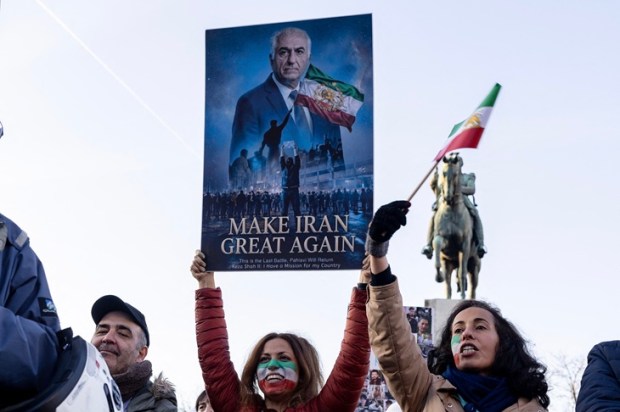
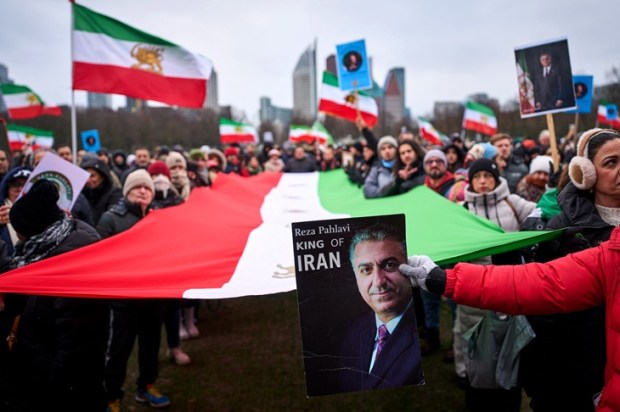
Today, the people of Iran see themselves as the ‘Immortals’: men and women who, as always, stand in streets and squares with empty hands but unbreakable resolve.
Organised in small, disciplined groups, acting with awareness and restraint, they understand that collective endurance begins with individual discipline. This modern ‘Immortal Guard’, bound by a shared commitment with Reza Shah II, carries forward the same spirit that has been tested throughout Iranian history: standing for truth, even when the cost is heavy and even when that cost is death.
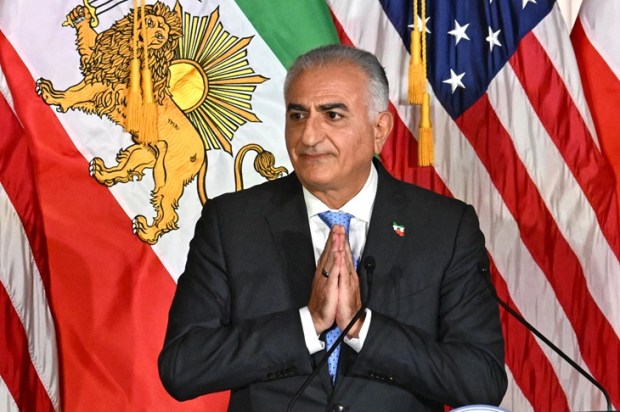
In this path, the leadership role of Reza Shah II is central. Through clear calls and an emphasis on responsible, civil organisation, he has provided a framework in which scattered emotion is transformed into purposeful action. In this context, a website titled ‘iranopasmigirim.com’ has been introduced as a platform for awareness, unity, and participation. Within it, a section known as the ‘Immortal Guard’ has been created, allowing individuals to join in an organised and responsible manner and to define their role alongside others within a civic framework. Here, being ‘Immortal’ is not a claim of superiority, but the acceptance of responsibility: responsibility to discipline, to rejecting uncontrolled violence, and to standing with the people.
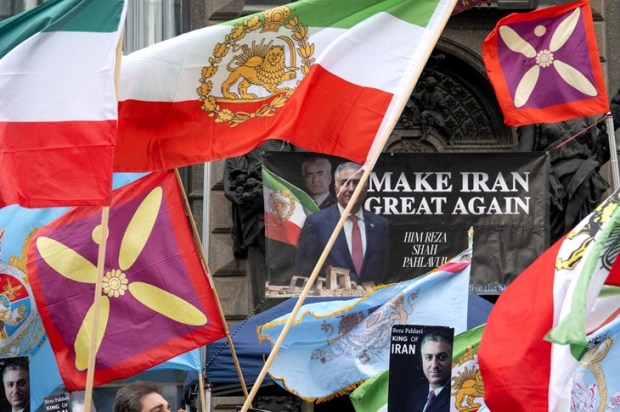
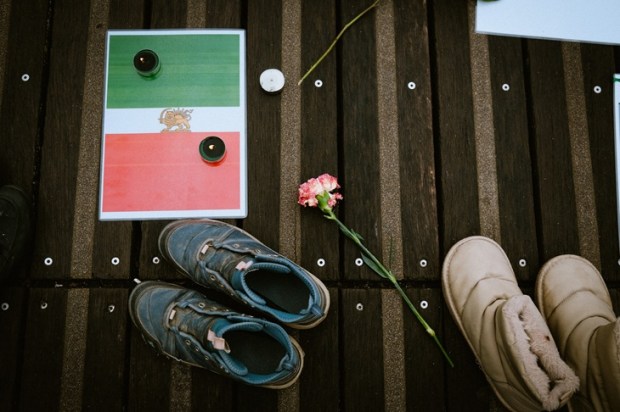
This image creates a deep connection between past and present. A king who has lived outside the country for forty-seven years has not broken the oath he swore under Iran’s flag and a people who have united under the chant ‘Long live the Shah!’ have shown that history is not merely memory it is the living consciousness of a nation.
Witnessing this moral bond between the king’s pledge and the people’s steadfastness brings tears to the eyes not from sorrow, but from rediscovering roots, returning to Iranian identity, and seeking an end to mass killing and bloodshed.
For forty-seven years, Iranians have suffered: they have been burned, tortured, and executed. Yet their beliefs have remained so deeply rooted that today they stand before live ammunition and raise the same cry. This endurance is not a blind imitation of history; it is its conscious continuation. Just as the Achaemenid Immortals once ensured the stability of the state through discipline and loyalty and helped establish lasting order and peace across Iran’s world the modern ‘Immortal Guard’, through civic discipline and solidarity, now preserves hope in the face of bullets and seeks to restore victory and reconciliation to Iran and to the world.
In the end, the ‘Immortal Guard’ is more than the name of a unit; it is the name of a responsibility. A responsibility that asks every Iranian: at the moment of reclaiming the homeland from occupiers, where do you stand?
Today, the answer echoed in the streets is clear. Ancient Iran is alive, because its people still, in the harshest conditions give meaning to immortality by standing firm, and across the country openly proclaim their will with the chant: ‘Long live the Shah!’
By Leila Naseri: Author | Composer | Social Cultural Activist