Britain’s economy is standing still. Figures just released by the Office for National Statistics show GDP grew by just 0.1 per cent in the three months to November. The numbers were dragged down by the construction sector, which saw a contraction of 1.1 per cent – its largest fall in nearly three years.
GDP grew by just 0.1 per cent in the three months to November
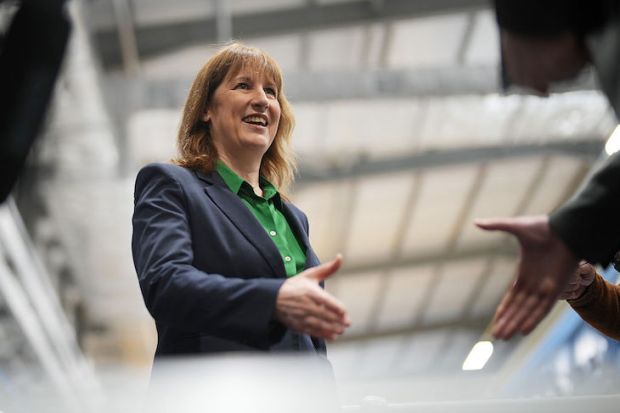
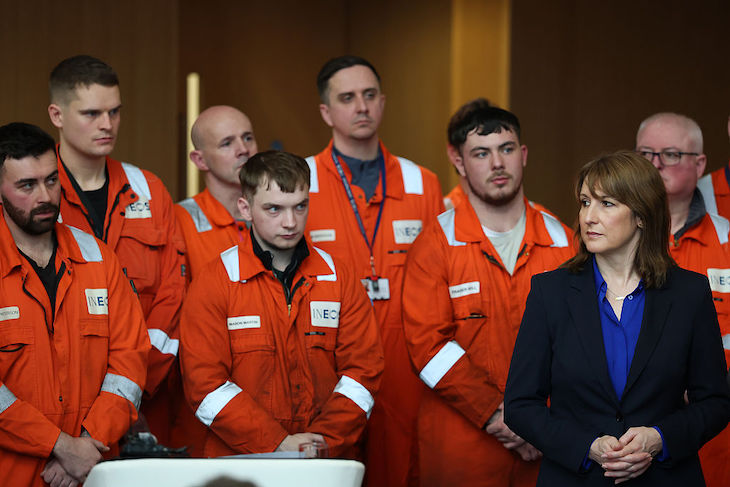
There were much better figures for the month of November alone though, which saw growth of 0.3 per cent following a fall of 0.1 per cent in October. That was thanks to services growth of 0.3 per cent and production growth of 1.1 per cent. The Chancellor Rachel Reeves will be hoping that these month-on-month figures – which have come in stronger than economists had expected – will hold out over the long term.

Interestingly, the strength in November suggests any effect of Budget worries and speculation dragging down the economy may have been offset by the paperwork: the main contributors to services growth were a 4.6 per cent jump in accounting, bookkeeping and auditing as well as ‘tax consultancy’. It’s good to see Britain has one booming industry.
One of the big worries about the last few years of GDP releases though is just how reliant our economy has become on big government. As Oxford Economics have pointed out, well over two thirds of the 2.4 per cent GDP growth we’ve seen over the last three years is because of the government buying things, or from state investment. The contribution to growth from the private sector has been pretty meek. That’s not a healthy mix for a country that’s stagnating but wishes to grow.
Economically this should be an easier year for the government: inflation is coming down and the increased headroom the Chancellor left herself with at the Budget means we won’t have speculation about a fiscal blackhole. Instead, we’ll see a return to mediocrity where pundits and ministers alike celebrate what is close to zero growth. Sure, it’s certainly preferable to crisis, but it’s no reason to smile.