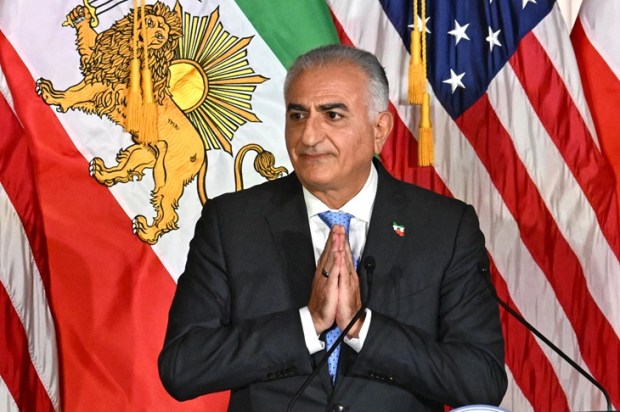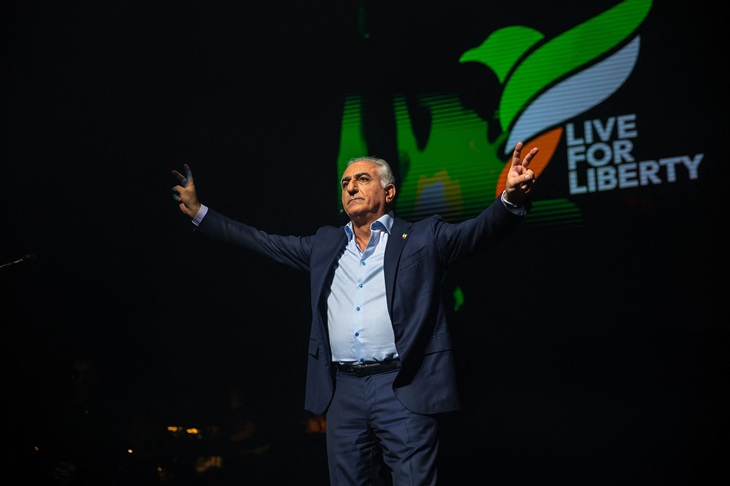
For the first time, a public call was issued by Reza Shah II, a call that emerged directly from the streets across Iran.
For weeks and months, his name has been shouted in cities and towns throughout the country. For many Iranians, this name represents a historical bond, a national identity, and the hope for a return to a system based on the rule of law.
This time, many people believe that ‘the will of God’ and ‘the will of the King’ have met at one point: Thursday and Friday, when people are called to stand together, openly and peacefully, in the streets.
This call is not an order. It is the reflection of a collective will. The streets had already spoken; the call is simply the echo of that voice. People who call themselves the ‘Immortal Guard of the Shah’ stand unarmed but determined, facing bullets with courage. This name is not just a historical metaphor. It expresses a sense of responsibility and continuity the belief that each generation is a guardian of Iran’s future.
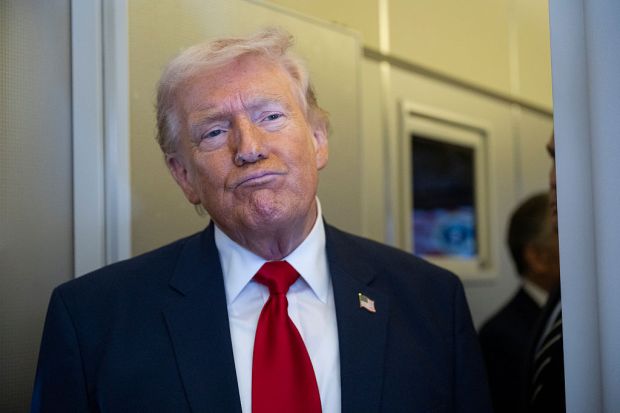
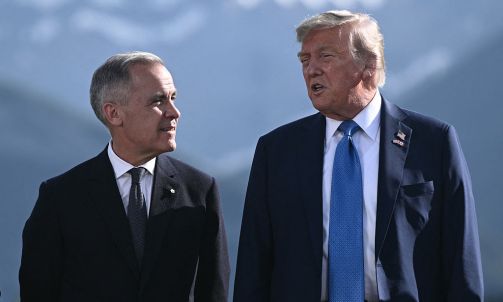
International reactions have also influenced the situation. The President of the United States of America, Donald Trump, has warned in several public statements that violent suppression of protesters will not go unanswered. Regardless of political interpretation, the message is clear: the world is watching Iran’s streets more closely than before.
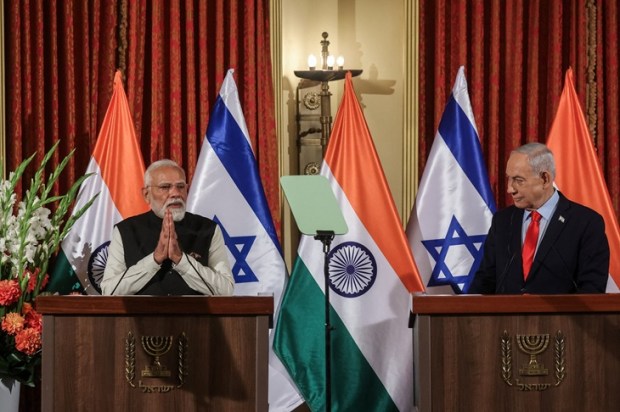
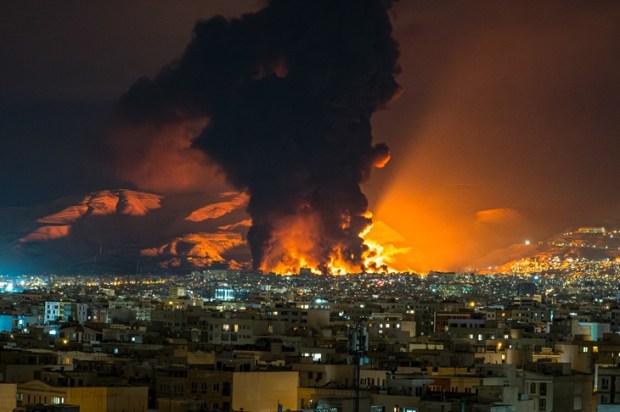
Regional developments have also changed the balance. During the 12-day conflict between Israel and the Islamic Republic, targeted strikes against command networks and key figures dealt a serious blow to the regime’s external forces. Prime Minister of Israel, Benjamin Netanyahu, openly stated that the goal was to weaken the Islamic Republic’s terrorist capabilities. As a result, at least for now, the regime lacks the ability to bring large numbers of proxy forces from Yemen, Lebanon, Syria, or Afghanistan to suppress the population. This limitation has directly reduced street violence and saved lives.
But the heart of the story is inside Iran. With the slogan ‘Long Live the Shah’, people have rallied around a shared symbol one that goes beyond a single individual and represents the desire for order, stability, and a predictable future. This unity is not the result of short-term propaganda. It comes from decades of lived experience marked by repression, poverty, discrimination, and hopelessness. A society that has repeatedly heard promises of reform and repeatedly faced violence has now reached a clear conclusion: freedom requires fundamental change regime change and a return to Iranian national identity.
The Thursday and Friday call, though brief and simple, carries heavy historical weight. It is not a call for violence; it is a call for presence. Conscious, collective, and responsible presence. In this narrative, the street is not a place of chaos but a place where rights are demanded. The final nail in the coffin of a regime many see as occupying Iran will not be driven by weapons, but by continued presence and unity.
What makes this moment unique is the meeting of three forces: internal determination, external limitations on the regime, and the rise of a shared symbol for the future. Iranian history shows that when these three come together, change moves from possibility to reality. Thursday and Friday are not just days on a calendar; they are a test of whether this unity can become a decisive turning point.
By Leila Naseri: Author | Composer | Social Cultural Activist