After the uprising of radical leftist forces and extremist Islamist groups in 1979 and their seizure of power in Iran, a period of brutal repression began, marked by torture, executions, and the systematic assassination of dissidents.
Thousands of Iranians were forced into exile.
Yet many of us never abandoned the struggle against tyranny and Islamist extremism.
This was not merely an individual experience; it became a broad movement of resistance among Iranian refugees and migrants, aimed at defending human rights, freedom, and confronting repressive ideologies. They understood all too well that this violence would not remain confined within Iran’s borders.
Over the years, we have received thousands of threatening messages from extremist groups threats directed not only at us, but also at our families inside Iran. These threats have not been limited to the Iranian community.
Time and again, these groups have demonstrated that they pose a danger to other societies as well, because their extremist and violent ideology recognises no borders.
Our experience of terror and violence is not merely a memory of the past; it is part of a global pattern.
For nearly 47 years, terrorist activities rooted in extremist ideologies have taken place across the world from the Middle East to the heart of Europe and beyond. This extremism has claimed the lives of thousands of innocent people and continues to pose a serious threat to global peace and security.
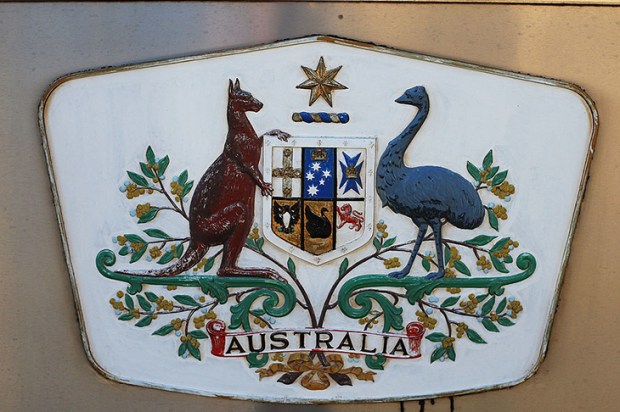
Yesterday, on December 14, once again the blood of innocent people was shed. While members of the Jewish community were gathered for prayer and celebration, they were targeted in a terrorist attack, and 15 people lost their lives in Sydney. This tragic event once again demonstrated that no community is immune to the threat of extremism.
Alongside this atrocity, it is necessary to recall examples of extraterritorial operations and terrorist attacks that have been attributed by international media and institutions to the Islamic Republic of Iran and its state organs examples that clearly show how the threat of terror and violence extends far beyond national borders:
The fatwa issued by Ruhollah Khomeini, the leader of the criminal Islamist regime in Iran, against Salman Rushdie in 1989, which called for the killing of an innocent writer and led to a wave of targeted attacks against individuals associated with the work – an unmistakable symbol of state-sponsored violence.
The assassination of Iranian opposition figures at the Mykonos restaurant in Berlin in 1992, in which a German court confirmed the involvement of Iranian state security institutions.
Numerous plots and assassinations targeting Iranian dissidents in Europe throughout the 1990s and subsequent years, including in Switzerland, Austria, and other countries.
Attempts to abduct or assassinate Iranian activists in Turkey and Europe between 2020 and 2022, resulting in the arrest and prosecution of networks linked to Iran’s Ministry of Intelligence and the Islamic Revolutionary Guard Corps.
The exposure of assassination and kidnapping plots against Iranian-origin journalists and activists in the United States, Canada, and Europe, which were foiled by the security services of those countries.
Allegations of involvement in violent acts on Australian soil during 2024-25, when the Australian government announced based on credible security intelligence that the Islamic Republic had directed attacks against the Jewish community through intermediaries, including the arson attack on a synagogue in Melbourne leading to official diplomatic repercussions and the expulsion of the Iranian ambassador.
This list represents only a small portion of the long history of assassinations and killings of Iranians and non-Iranians alike carried out by the Islamic Republic beyond Iran’s borders. Over these 47 years, a full-scale campaign of violence has unfolded, and the silence of Western governments has effectively enabled the continuation of this criminal network silence whose consequences we now see in the repeated resurgence of terrorism across the world.
This dark history must serve as a reminder that confronting extremism and violence requires constant vigilance, international cooperation, and an uncompromising defence of human values.
In conclusion, just as Iranians have stood against tyranny for decades, it is now essential for all societies Iranian and non-Iranian alike to unite against extremism, hatred, and violence; for peace, security, and a future in which no human being is targeted because of their beliefs, religion, or nationality. From our perspective, the only path to ending this destructive cycle is support for Reza Shah II and the Iranian people’s movement for the restoration of a national, popular government in Iran.
By Leila Naseri: Author | Composer | Social Cultural Activist