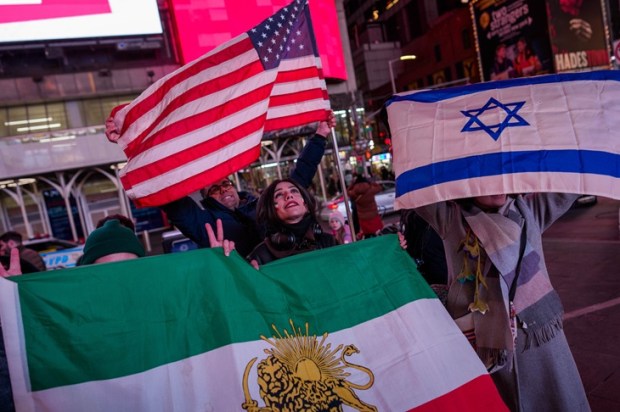
To understand if the national movement in Iran will end up like the French Revolution or the 1979 Iranian Revolution, we need to carefully look at history, past experiences, and the features of today’s movement. It seems that today’s changes in Iran are following a peaceful, gradual, and lawful path, unlike the violent revolutions of the past.
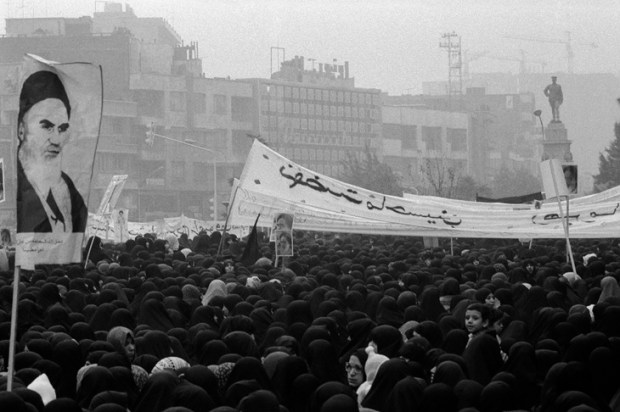
The French Revolution in 1789 and the Iranian Revolution in 1979 both started with calls for justice but ended in violence, chaos, and new dictatorships. Despite slogans of freedom, equality, and brotherhood, the French Revolution led to the ‘Reign of Terror’ when thousands were executed. Similarly, the 1979 Iranian Revolution, with slogans like independence and freedom, became bloody. It overthrew the previous regime but established a theocratic system that suppressed many freedoms and destroyed democratic structures.
In both revolutions, widespread anger, lack of moderate leadership, removal of legal institutions, and the rise of radical groups caused much violence.
Today, the national movement in Iran is very different. It has three main features that keep it away from violence:
- Leaders who follow civil laws and peaceful methods.
- Awareness of past mistakes and the dangers of violence.
- A goal to rebuild Iran, not destroy it.
Prince Reza Pahlavi has repeatedly said he wants a peaceful and nonviolent change from the Islamic Republic.
He is not the leader of an ideological party or a dictator. He represents the people and aims to restore national sovereignty, freedom, and democracy.
With the experience of his grandfather Reza Shah and his father Mohammad Reza Shah, he knows that without building institutions, crises lead to chaos or dictatorship. Instead of repeating a violent revolution, he supports a lawful process with people’s votes, a constituent assembly, and referendums. This is the same path Reza Shah took.
The movement does not want to destroy the country, but to rebuild it. This is very different from the 1979 Revolution, which was led by Khomeini and supported by radical leftist and terrorist groups that rejected the past system and gave room to extremists. Today’s movement emphasises returning to constitutional monarchy, free elections, human rights, and separation of powers.
History shows that today’s situation in Iran is similar in many ways to the time of Reza Shah…
Despite his military power, Reza Shah became king through legal approval by the National Assembly in November 1925 and the Constituent Assembly. Similarly, Prince Reza Pahlavi seeks legitimacy through people’s votes and modern institutions, not by force.
Although the Islamic Republic has tried to slow or stop changes with repression and fear, the national movement shows that people are more aware, have learned from the harsh experience of 1979, rely on collective wisdom and national unity, and their leaders want institution-building, laws, and free elections.
Therefore, unlike bloody revolutions, the national movement of the Iranian people moves forward not with hate, but with hope; not with violence, but with collective will to save Iran.
Leila Naseri :Author | Composer | Social Monarchist Activist