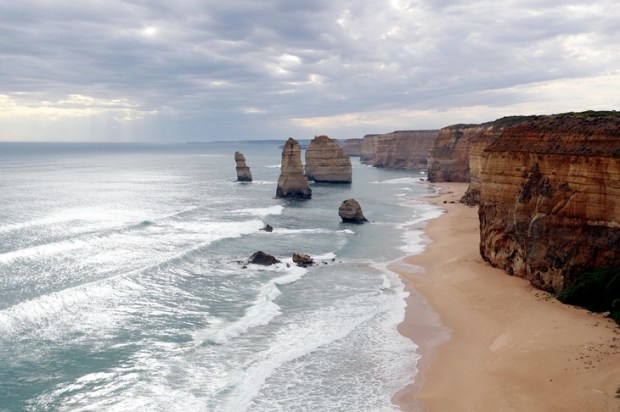
For the past few weeks, well before the first light of dawn, hundreds of big fishing boats towed behind equally big utes and four-wheel-drives have launched from ramps in a few small towns on the far south coast of NSW and headed east towards the edge of the Continental Shelf.
The boats, with their skippers and crews, are probably worth more than all the assets of the small towns except for their housing stock. There are so many of them, that if they are late to the ramp, say after 6:00am, they have to park away from the designated trailer park, almost in the main streets.
Their presence in these places at this time of year is at once financially exciting and unusual. A quick calculation might demonstrate that the boats, trailers, trucks, and fishing gear themselves are each worth between $300,000 and $500,000 and how much they invest in the local economies is a function of how much they are willing to spend on their favourite pastimes.
It’s a bizarre sight in that it relies for its existence on one thing: a fish.
An event of this magnitude would normally outrage the lefty-hippie-wokester activists, but they have been surprisingly quiet. Many of them have been happy, since Covid, due to their houses rising in value beyond their wildest dreams. Many of them run non-fishing businesses in fishing towns.
From other locals, the businesses generally attract no more than a passing interest. They rely for their existence on the inflow of summer holiday tourists. The extent of the present game fishing inflow, however, has them keeping quiet while they increase the prices of their already overpriced bread, coffee, and cakes.
Investment in more important things such as fuel, accommodation, and food for these big game hunters keeps the towns’ economies going far more than that of the summer tourist trade. Over the years, various governments have shut down the timber and the commercial fishing industries.
Of all the towns on the far south coast between Narooma and Merimbula, one benefits more because of its physical existence. Bermagui is situated closest to the edge of the Continental Shelf and boat access from the ramp is through a channel from the harbour. There is no bar to cross – a danger even for large vessels in bad weather.
The closeness to the edge of the Shelf is the key. The faster a boat can get to the fishing ground the longer it can be there and the more chance its crew have of hooking up.
And hooking up is what it’s all about. There is really only one thing that interests these big gamers and that’s the black marlin. They may bring back a few mahi-mahi and some sharks that have been prowling around, perhaps even assorted tuna, but it is the marlin that boils the blood.
And so it has been since an American dentist-turned-novelist arrived in these places almost a hundred years ago, set up his camp, and became the first to venture forth in search of the elusive game fish.
Zane Grey, author of Riders of the Purple Sage and 40 other Western novels, was the first to explore big game fishing on the south coast.
He bought with him an entourage including his own boat and cook and set up camp on the headland at Bermagui, and other idyllic spots at Narooma and Batemans Bay heading out each day to fish for marlin. Legend says he bought with him some new technical knowledge that he was happy to share with the local commercial fishermen.
You would not know it now though as Zane Grey, the name that ought to be synonymous with south coast big game fishing, has been all but redacted from the local record. For years his name was attached to a variety of places and events, then local government and business decided his was not a name they particularly liked.
Now, you are lucky if you can find one or two copies of his books in the local library. Zane Grey has been cancelled.
When he was not fishing, he spent time visiting local schools, introducing all things American, taking time to talk about the wider world. One local resident who died recently said it was the highlight for them because at the time there was very little communication with anywhere else so they knew very little about the world.
The connection may be gone but what he provided for the far south coast lives on. Until the big elusive fish decide that they too will be gone to warmer waters. That could be any day now.