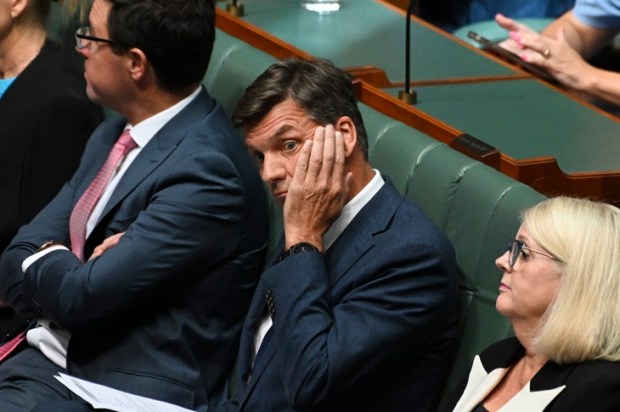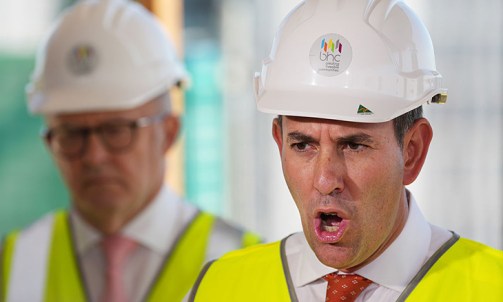
Treasurer Jim Chalmers has defended the government’s pledge to lower electricity prices by a third. He said:
‘If you look at the inflation numbers for the last year to the end of 2024, what we saw – that electricity prices were down a little over 25 per cent. And lest you want to think that that is all the rebate, most of that is the rebate, but they still would have gone down a bit over 15 per cent absent the rebate.’
He added, ‘In some parts of Australia, we are expecting some price pressures. And as the independent experts said at the time, that is primarily about the unreliability of the legacy parts of the energy network.’
What we know is that compared to the $275 per household price reduction foreshadowed in Albanese’s cunning plan, since 2022, prices have risen by 35-50 per cent (excluding the government rebate). That’s an increase of $618-884 per household.
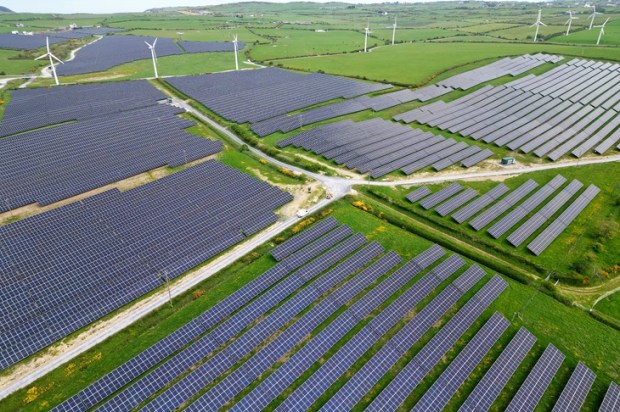
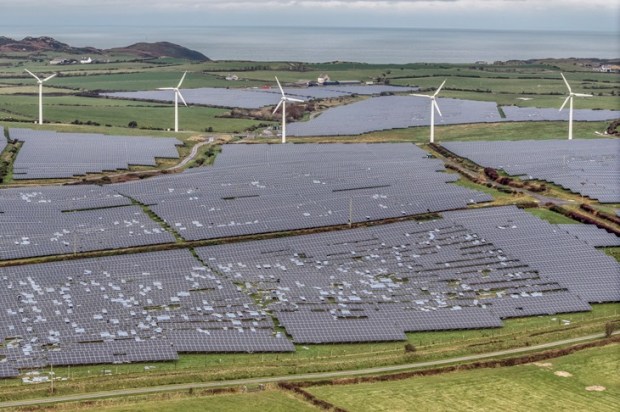
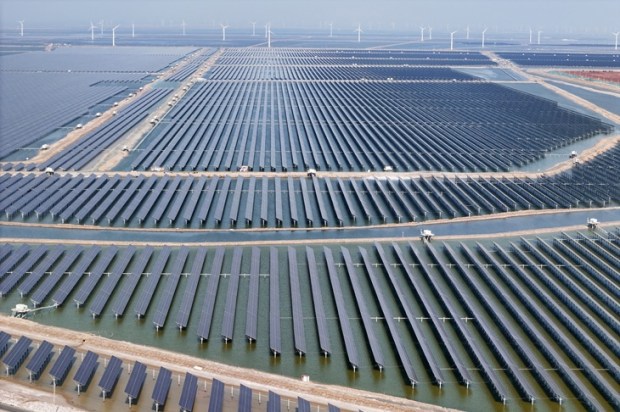
Prices at the wholesale level have showed an irregular upward trend over the past ten years rising from $48 per megawatt hour to $100. This is coincident with the increased market share of intermittent wind and solar, which have seen their highly subsidised share of supply rise from under seven per cent a decade ago to a little under 40 per cent in 2025 to date.
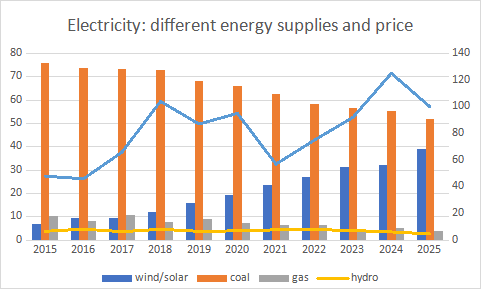
So, in spite of the increased injection of wind and solar, which the government’s water carriers assure us are the cheapest form of energy, prices have risen. They have done so in the face of multiple ‘modelling’ exercises commissioned since 2013 by the government and vested interests that purport to demonstrate that a price fall is imminent.
And this price increase does not tell the whole story.
The subsidies to renewables directly and to their associated network costs have risen almost exponentially since John Howard first introduced them 20 years ago. In 2006, their annualised cost was $400 million ($660 million in 2023 dollars); annualised costs now stand at over $16 billion. That comes to about $1,500 per household, almost all of which is not included in the $618-884 per household in electricity price increases.

It is little wonder with this much government money at stake the subsidy beneficiaries are able to finance legions of media and science-y types to promote their continued harvesting of taxpayer and electricity consumer dollars.
Finally, with regard to the Treasurer’s statement that the independent experts attribute the price pressures to the ‘legacy’ (i.e. coal) parts of the network, this is untrue, in my opinion. The ‘experts’, AEMO, show that the coal generators are showing a stability – remarkable in view of their age and the disruptions the subsidised intermittent renewable impose upon them – in their level of unplanned outages.
AEMO, in its 2024 Statement of Opportunities, shows that between 2019 and 2024 NSW coal generators’ unplanned outage rate fell from 17 per cent to 5 per cent; that for Queensland fell from 8 per cent to 5 per cent; while Victoria’s showed a small increase from 9 per cent to 10 per cent.
Some of this general improvement can be attributed to the retirement of the – by definition – least reliable facilities the most important in the post-2019 time-frame being Liddell in NSW. But the Treasurer’s statement is incorrect.
The government, and those subsidy beneficiaries in the energy supply sector, seem to be very reluctant to expose the costs of energy policies to the public. As are non-Labor politicians, some of whom have swallowed the myth that catastrophic climate change will follow unless Australia rapidly reduces its one per cent share of world CO2 emissions.
The US’s most recent coal generator was commissioned in 2013 and over the past decade 40 per cent of coal capacity has been closed. But Trump said on Truth Social, ‘I am authorising my Administration to immediately begin producing Energy with BEAUTIFUL, CLEAN COAL.’ Perhaps due to Trump’s victory, Australian politicians generally – even the Teals – are becoming less vociferous about renewables. The Coalition is saying little about climate issues other than promoting nuclear. For its part, the ALP is downgrading the prominence of Net Zero policies for the forthcoming election campaign. Are we very gradually coming to our senses?