The English and French fought seven wars between 1689 and 1815 that, like the first world war, were struggles of endurance. To squeeze Britain economically towards the end of that period, Napoleon issued the Berlin decree of 1806 and the Milan decree of 1807 that banned French allies and neutrals from trading with the UK.
The French blockade sparked an immediate crisis in British export trade. Goods piled up in warehouses and on wharves and unemployment jumped, especially after the UK’s relations with the US soured.
Yet the UK withstood the pressure. Helped by bribes, British goods were smuggled onto the Continent. British trade swelled with Africa, Asia, Latin America, the Near East and the West Indies. The UK economy expanded during the trade war and the kingdom’s exports rose from 21.7 million pounds in 1794-96 to 44.4 million pounds in 1814-16.
France’s economy, in contrast, struggled. Agriculture stagnated under the charge of the peasants who had overthrown the aristocracy. A conservative mindset hindered investment in manufacturing and French industry stayed uncompetitive, localised and small-scale. While the French cotton industry benefited from no British competition across Europe, a cotton shortage boosted prices and the sector failed to adopt the latest techniques.
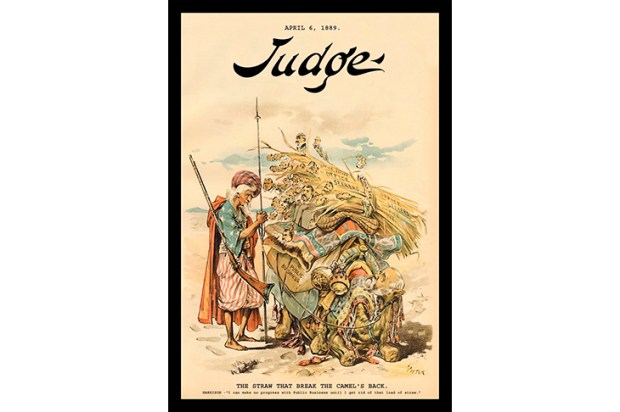
Napoleon’s blockade against the English, as recounted by Paul Kennedy in his 1986 book The Rise and Fall of the Great Powers, is just one of the countless times in history where protectionism has backfired on its imposer.
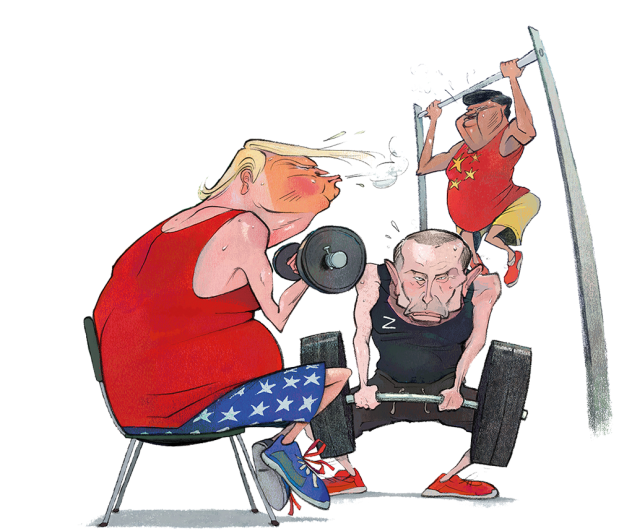
Such episodes are relevant today because China and the US are clashing on trade. In 2018, President Donald Trump slapped tariffs and sanctions on China and his successor has extended the protectionism. President Joe Biden has introduced green subsidies worth $370 billion for US industry and imposed China-related restrictions on any US technology company that accepts any of the estimated US$100 billion Washington is lavishing on tech. Both leaders encouraged US companies to ‘reshore’ and ‘friendshore’ away from China.
These measures aim to revive US manufacturing, ensure US tech supremacy, boost self-sufficiency in essentials, drive the green agenda, nullify China’s mercantilism and bolster national security. While protectionist steps are popular, they are backfiring in at least six ways.
One is that Western moves to ‘derisk’ from China and a view that trade is a zero-sum game have turned China and the US into adversaries and led to national interests being regarded as a zero-sum game. The risk of conflict between China and the US has risen.
Another setback is the West is losing China as a partner to achieve mutual goals such as those on climate and containing Islamic terrorism. The trade-off between protectionism and climate was epitomised by the EU announcement in September that it’s investigating Chinese government support for electric vehicles. Any EU moves to protect Germany’s fossil-fuel-based car industry would blunt how Beijing’s subsidies help Europe reach climate goals.
Then there’s how protectionism hurts the US. Tariffs, subsidies, export controls and investment restrictions stoke inflation by boosting import prices, eradicate jobs, misallocate resources, hurt US companies entwined in China, slow economy growth, add to Washington’s debt, extend government reach into the private sector, and foment crony capitalism. Moody’s Analytics estimated Trump’s China tariffs cost 300,000 US jobs within a year. It’s unclear too whether the US can replace the Chinese imports needed by the military and for infrastructure.
Another blowback is that US protectionism wedges US allies. South Korea, whose semiconductor industry is dependent on China, described Biden’s subsidies as a ‘betrayal’ while the EU slammed them as ‘un-levelling the playing field’. Biden’s extravagance has pressured other Western governments to go deeper into debt to negate US subsidies, a zero-sum game of failure – see South Korea’s US$400 billion ‘investment plan’, the EU’s Net-Zero Industry Act and the European Chips Act, for starters. A Trump promise, if re-elected, to impose an ‘automatic’ 10 per cent tariff on all imports into the US would spark worldwide retaliation that would hark to the US tariffs of the 1930s that worsened the Great Depression. Any such move by Trump would signal the US was abandoning the international order it established.
Another way US protectionism is backfiring is that Beijing’s is acting to negate Western curbs and is retaliating against them – frequently to China’s detriment. Denying China advanced microchips is spurring China to become self-sufficient in advanced technology, but that comes with an opportunity cost for China. Beijing, by passing retaliatory laws that liken normal business research to espionage, is waging ‘lawfare’ that is akin to a separation of Chinese and Western legal, regulatory and financial systems.
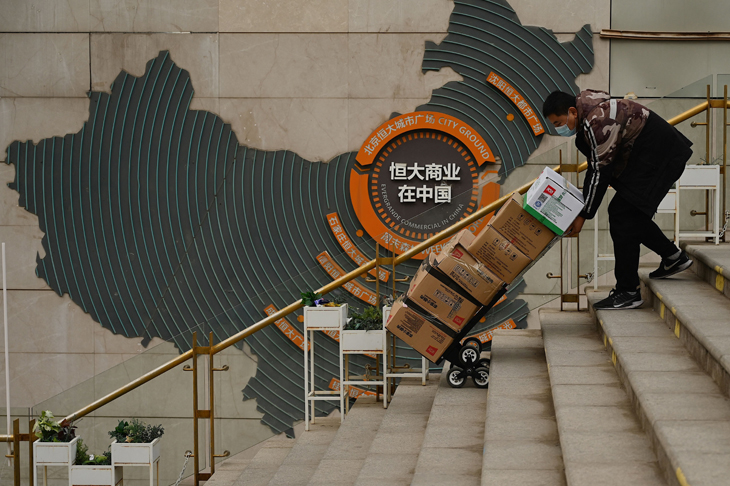
Beijing is manipulating stock-exchange listing and trading rules to direct capital to priority sectors. All these moves hurt China’s financial markets and add to the tensions scaring off ‘direct’ foreign investment. Such flows to China plunged 87 per cent in the June quarter from a year earlier to a 25-year low.
A weaker Chinese economy might please some in Washington but it hurts the world, to give a sixth way protectionism boomerangs. China’s woes are transmitted abroad via falling commodity prices (to Australia’s detriment anyway), lost export sales to China, lower Chinese investment elsewhere, reduced access to Chinese-controlled minerals and higher US bond yields (via China selling US Treasuries to support the yuan). An IMF study said the ‘decoupling’ of investment flows between China- and US-led blocs could reduce global GDP by 2 per cent, with emerging countries the hardest hit.
As protectionism backfires, especially when aimed at the world’s second-biggest economy, Western policymakers should find less self-destructive ways to contain the China challenge.
No one denies protectionism achieves some goals – the US Department of Labor indicated the Biden splurge will save 25,000 manufacturing jobs between 2022 and 2032. Whoopee but the wider costs must be calculated too. China’s state-directed economic model can be blamed for starting the trade frictions. But fighting protectionism with protectionism is a trap for the West.
China and the US must realise trade battles misfire. Perhaps that’s why Beijing and Washington in September agreed to hold regular meetings on economic issues. France might have fared better if Napoleon had done the same with his English counterparts.
Got something to add? Join the discussion and comment below.
You might disagree with half of it, but you’ll enjoy reading all of it. Try your first month for free, then just $2 a week for the remainder of your first year.