The genius of John Vanbrugh
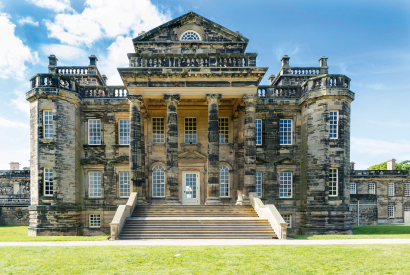
Van’s genius, without Thought or Lecture, Is hugely turn’d to Architecture. Jonathan Swift’s dismissive jest has never been forgotten. It…
The gloriously impure world of Edward Burra
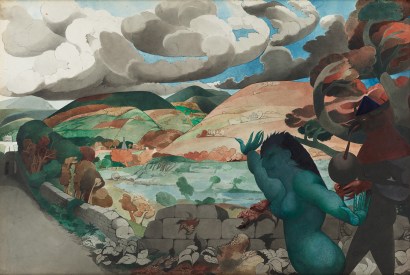
Every few years the shade of Edward Burra is treated to a Major Retrospective. The pattern is long established: Edward…
Art deco gave veneer and frivolity a bad name
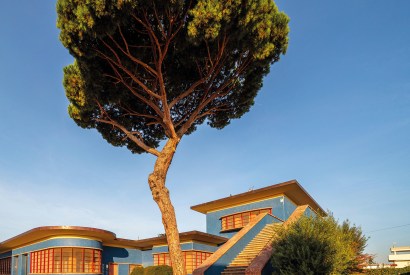
The jazz style was the blowsy filling between the noxious crusts of two world wars. More than 30 years passed…
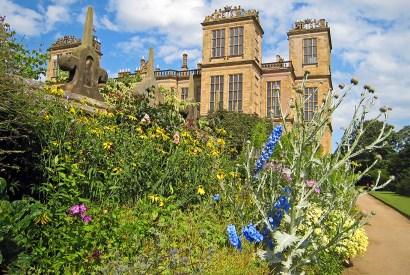
British architecture according to the Great Man school of history
Simon Jenkins seems excessively preoccupied with the flamboyant houses of the privileged, leaving his narrative tottering beneath the weight of gaudy swank
A familiar OE-led balls-up: Rory Stewart’s The Long History of Ignorance reviewed
In my next life I intend to have my brain removed in order to become a telly executive. You know:…
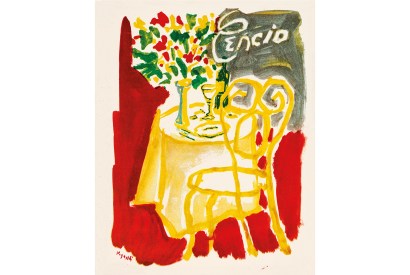
A feast for the eyes
Jonathan Meades on the art of menus

Notre Dame is an architectural nullity
Notre Dame is only important from a Shakespeare’s-birthplace point of view. Architecturally it is a nullity beside the cathedrals of…
![View of Marseille from the basilica of Notre-Dame de la Garde, also known as La Bonne Mère, traditionally regarded as the city’s protectress. ‘The Good Mother intervenes at sick beds, down shadowy streets, and in the dark hours of night,’ writes Iain Sinclair [image: Getty]](https://www.spectator.com.au/wp-content/uploads/2018/09/Marseille.jpg?w=410&h=275&crop=1)
How do our surroundings affect our health and happiness?
The Wellcome Trust puts on some of the most engaging exhibitions in London and holds in its permanent collection a…

The Bilbao effect
Twenty years ago I wrote of the otherwise slaveringly praised Guggenheim Museum in Bilbao: I’m in a minority of, apparently,…
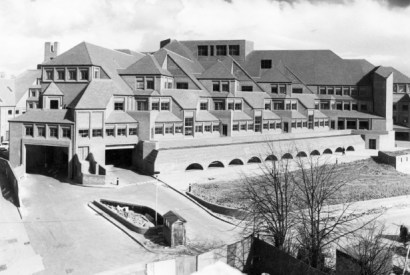
Gaudy! Bright! Loud! Fun!
Best of postmodernism: is that an oxymoron? Jonathan Meades thinks not
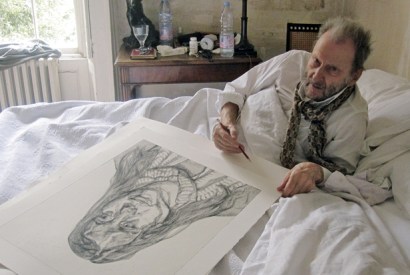
A 50-year infatuation
The subject of the least characteristic essay in this engrossing collection of meditations on painters, painters’ lives, painting and reactions…
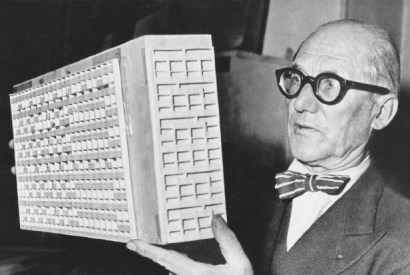
Dedicated follower of fascism?
The ‘revelations’, 50 years after he drowned, that Le Corbusier was a ‘fascist’ and an anti-Semite are neither fresh nor…
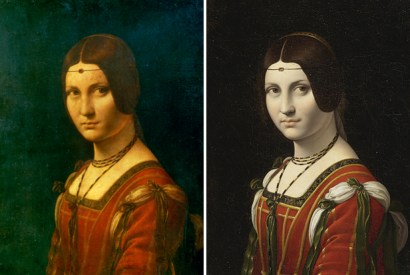
The more deceived
Louis the Decorator and his chums in the antiques trade use the word ‘airport’ adjectivally and disparagingly. It signifies industrially…
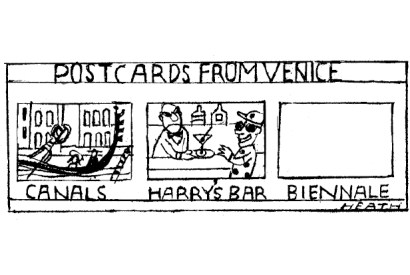
Curators
As a purveyor of lairy souvenirs Venice outdoes even Lourdes. The scores of shops and booths that peddle this lagoonal…
Le French bashing
The popular sport has spread to France. Are things really that bad, wonders Jonathan Meades