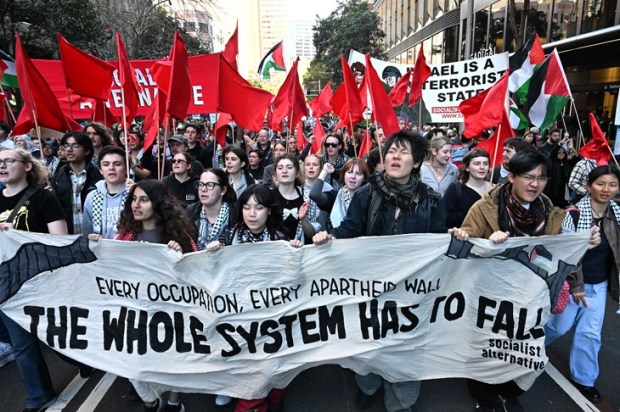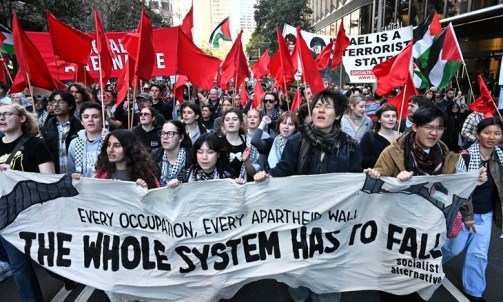
It doesn’t overstate the case to say that the past week has been particularly distressing for Britain’s Jewish community. From the Greens becoming the first mainstream UK party to adopt a racist – antisemitic – policy (despite losing Holborn & St Pancras) to the deliberate and cruel staging of anti-Israel protests on October 7, the hatred felt towards my community has never felt more pronounced.
Yes, it is hard for British Jews right now. But it isn’t hard to be Jewish
Given such a dismal and enduring narrative, it would be easy for the defining image of UK Jewry to be one of weakness, vulnerability and decline. (As one colleague observed, with genuine kindness and concern, “It must be so hard to be Jewish at the moment.”).
Certainly, it would be a gift to our enemies if this were the situation.
Yet to paint us as a group to be pitied and reduce our collective character as nothing more than target practice for antisemitism is entirely misplaced. Since it is anathema to the reality of our noisy, maddening and richly diverse community.
Were we really a people of trembling knees and weak hearts, would someone like actress Sydney Sweeney even be contemplating joining our tribe? Apparently, an intriguing possibility following reports this week that The Housemaid star is considering converting to Judaism amid her relationship with music manager-turned-media CEO Scooter Braun.
Sweeney, of course, is no shrinking yente having repeatedly courted controversy through her commercial partnerships. Most recently starring in a so-called “hypersexualised” campaign for betting platform Novig, wearing little more than some strategically placed sporting equipment. Clearly then, not a woman likely to seek out a community that cowers in the corner.
Of course, given the current climate being Jewish can feel exhausting. Our children go to school behind barbed wire fences, every public body seems to incubate unchallenged antisemitism. There have been arson attacks, foiled terrorist plots and, most harrowingly, Jews killed as they attended synagogue. But while it makes us victims of crime it doesn’t mean we are defined by victimhood. Or that hatred towards us should frame the narrative about Jewish people.
If anything, in dark times we Jews cleave to what truly defines who we are. Namely an unapologetic embrace of all that gives the human condition its richness and vitality. Look no further than the vibrancy of Jewish creative life: humour, scholarship, theatre, literature, music, art. Our community is less than one per cent of the UK population yet Jewish Book Week is London’s longest running literary festival, celebrating the diversity of a community that ranges from picklers to poets (their words).
Meanwhile, rather than shrink from society, we actively seek out human connection. Particularly around the weekly ritual of Friday night dinner when friends and family down tools to chew over the week before lapsing into a food coma. Inevitably, over bowls of homemade chicken soup, we discuss the troubling times and whether we should all pack up and leave. But since most middle-aged Jewish men I know are disciples of Jewish comedian Larry David, this is usually done with a spectacular lack of filter (‘you’re dreaming if you think you’d get that much for your house.’)
Anyway, we don’t allow the melancholy to dominate. Instead, we schmooze, we laugh, we agitate, we vie for the spotlight. Hardly the resonant frequency of a community sinking into despair.
If anything it is this restless determination to connect – to come together through ritual, tradition, family and food – that defines us, and which is a source of admiration to those beyond our world.
How often have I heard non-Jewish colleagues say they wish they met every week for Friday-night dinner? Or marvelled as two Jews who have never met before feverishly search for common ground, conducting a whirlwind stocktake of the people they know, the places they have been, and whether they too were shlepped off to a kosher hotel in Bournemouth as children.
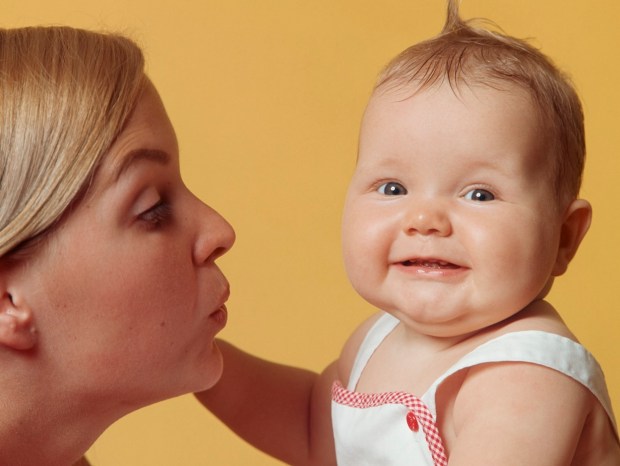
How can we be a community to be pitied when we produce big characters with even bigger hearts. Not least Jewish mothers – those unstoppable matriarchs who will feed you until you expire and defend their children with a ferocity that would make a wild beast tremble with admiration. And not only their own children: any person they see in need of love, feeding, advice or, frankly, intervention is liable to be adopted on the spot.
Judaism creates a sense of belonging to one enormous family – albeit one that argues, contradicts itself and takes offence before eventually resolving the matter over cake.
So yes, it is hard for British Jews right now. But it isn’t hard to be Jewish.
Our traditions, our vitality, our humour, our love of learning, our instinct to gather make sure of that. We are not objects of pity. Rather we pity those who choose a life of hatred over the possibility of one as rich, noisy, argumentative, loving and full as ours.