Home
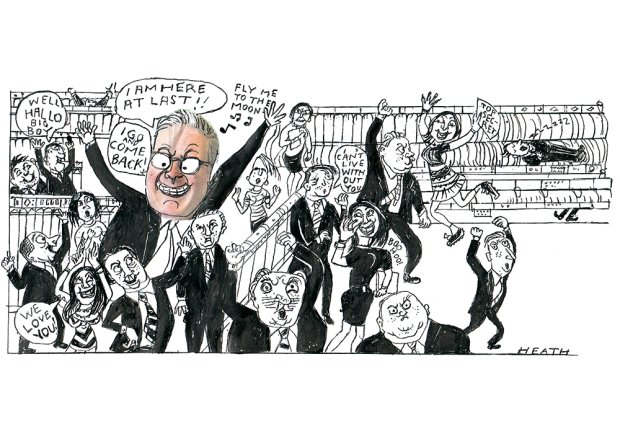
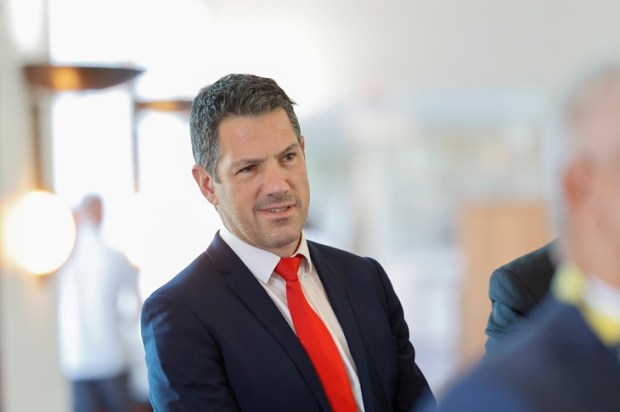
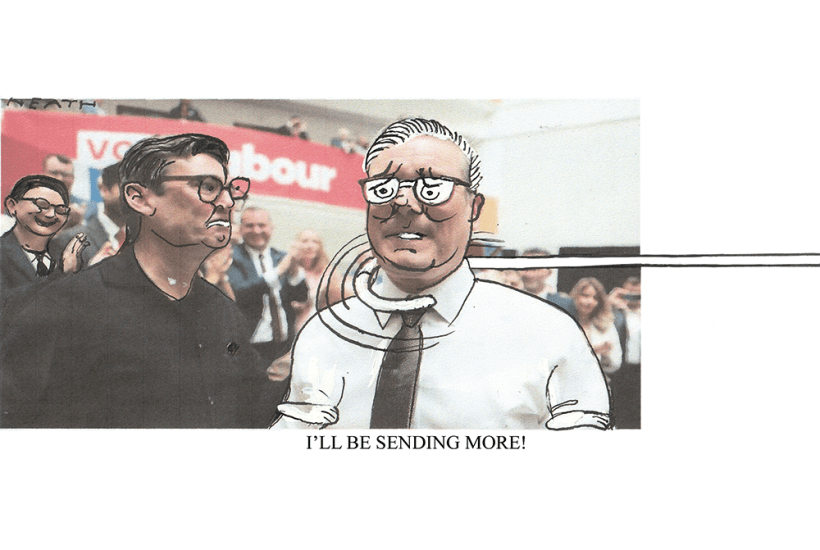
Sir Keir Starmer, the Prime Minister, stood outside 10 Downing Street and said that he would resign as leader of the Labour party. Nominations for a successor would open on 9 July (though he still meant to unveil his defence investment plan in time for the Nato summit on 7 July). His decision to depart followed the convincing victory in the Makerfield by-election of Andy Burnham, bringing him back into parliament. An election for mayor of Greater Manchester in his place would take place on 30 July, with Bev Craig, the leader of Manchester City Council, as Labour’s candidate. Mr Burnham packed a suit and tie into which he changed on the train from Manchester Piccadilly to London. He was sworn in as an MP that afternoon.
Mr Burnham had received 24,927 votes (54.8 per cent) for Labour in the by-election and the Reform candidate 15,696, with Restore securing 3,111. The turnout was 58.8 per cent, against 52.5 at the general election. In two other by-elections, Douglas Lumsden for the Conservatives won Aberdeen South with 49.5 per cent of the vote and Lara Bird won Arbroath and Broughty Ferry for the SNP, where the Tories and Reform pushed Labour into fourth place. Peter Murrell, 61, the former chief executive of the Scottish National Party and the estranged husband of Nicola Sturgeon, the former leader of the party, was jailed for five years and three months for embezzling £400,310.65. Sir Jeffrey Donaldson, 63, the former leader of the Democratic Unionist Party, was convicted of 18 offences, including one of rape, against two women who were children at the time, more than 30 years ago. Cameron Thomas, the MP for Tewkesbury, had the Liberal Democrat whip withdrawn after he was arrested on suspicion of controlling and coercive behaviour and assault. A boy aged three was badly wounded by a crocodile after being thrown into its enclosure at a zoo in Huntingdonshire.
The Bank of England held interest rates at 3.75 per cent. Britain borrowed £23.3 billion in May, while interest payments reached £11.7 billion, the highest ever for May. A review into maternity services at Nottingham University Hospital NHS Trust detailed failings that led to the death of hundreds of babies. Lewis Hawkes, 36, was charged with five counts of attempted murder linked to terrorism, following alleged anti-Muslim attacks in Edinburgh. In the seven days to 22 June, 1,229 migrants crossed the Channel in small boats. One East Midlands train ran into the back of another near Bedford, killing the driver and injuring 100. Teddie Beverley, the last of the Beverley Sisters, died aged 99. Schools closed and railways turned passengers away in the hot weather. Ghana held England to a goalless draw in the World Cup.
Abroad
Ukrainian drones hit an oil refinery at Kapotnya, on the outskirts of Moscow, twice in three days. Russian-backed authorities suspended fuel sales to the public in Crimea as Ukraine continued attacks on supply lines. Russian troops infiltrated the city of Kostyantynivka in eastern Ukraine and began trying to surround it. Australian police seized 2.7 tons of cocaine found in underground bunkers in Londonderry in western Sydney.
The United States and Iran held a round of talks seeking a peace agreement. J.D. Vance, the American Vice-President, said that Iran had agreed to allow nuclear inspectors back; Iran said it had made ‘no new commitments’. Israel continued with air strikes on southern Lebanon, despite a ceasefire with Hezbollah. At least 13 people were killed and 66 injured after an accidental explosion at Qatar’s largest gas facility at Ras Laffan. Elon Musk lost $350 billion of his fortune after a fall in the value of SpaceX. Alan Greenspan, the chairman of the US Federal Reserve for 18 years, died aged 100.
In the Ethiopian elections, the Prosperity Party of the Prime Minister, Abiy Ahmed, won 438 of the 501 contested seats. Abelardo de la Espriella, the pro-Trump, right-wing presidential candidate, won the election in Colombia. Carlo Ginzburg, the author of The Cheese and the Worms, died aged 87. In Germany all trains were held at stations for two hours after the national digital railway radio network failed. Stefan Schulte, president of Europe’s airports trade body, said of the EU’s new digital border system: ‘Passengers are queueing for hours at peak traffic times and I just do not know how we will be able to cope in the coming weeks.’ In France 40 people drowned in five days of great heat. CSH
Got something to add? Join the discussion and comment below.
You might disagree with half of it, but you’ll enjoy reading all of it. Try your first month for free, then just $2 a week for the remainder of your first year.