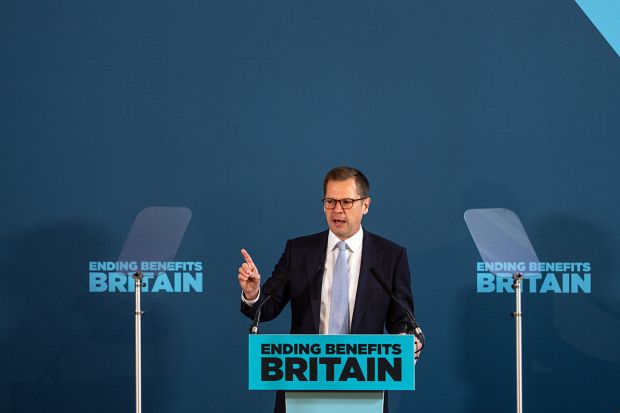
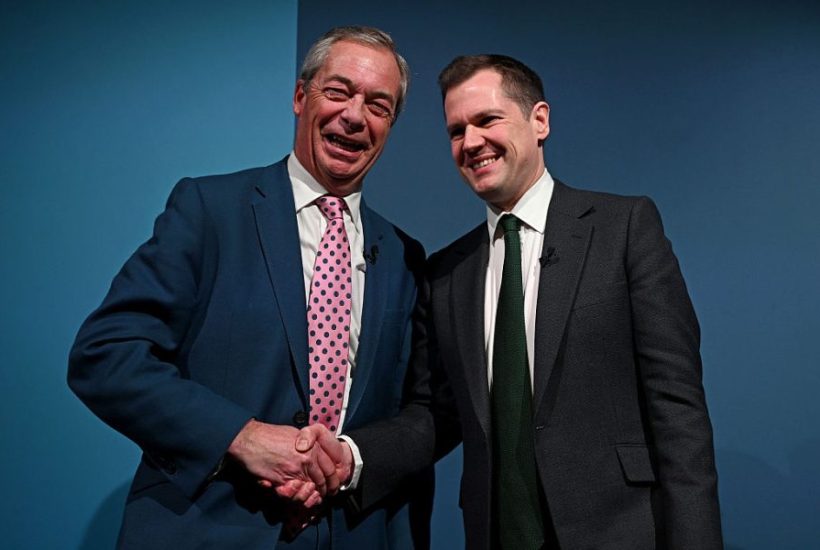
Will any political party ever take on the triple lock? The answer from Reform’s Robert Jenrick yesterday appeared to be no.
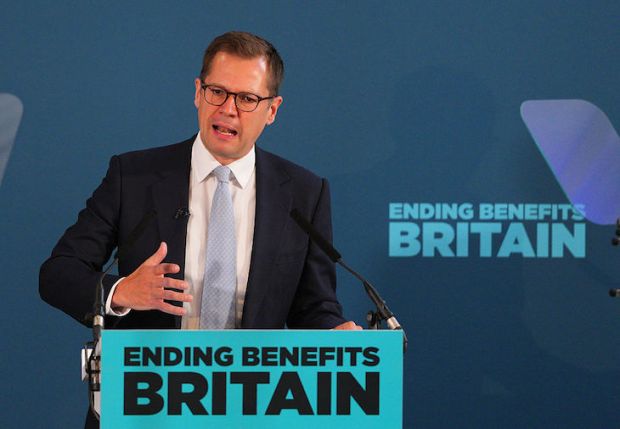
At a press conference where Jenrick, Reform’s Treasury spokesman, appeared to junk nearly everything Reform had previously said on economic and fiscal policy. He chucked overboard what was in many ways a left-leaning approach to both economic and fiscal policy and adopted a list of proposals that would be right at home in a Tory manifesto. That included committing to keeping the triple lock – which guarantees the state pension rises by the highest of earnings, inflation or a floor of 2.5 per cent.
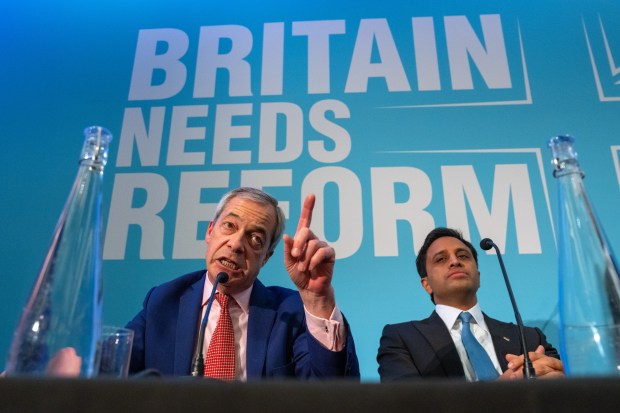
Afterwards, however, Reform’s leader Nigel Farage appeared to have a different view on keeping the pensions triple lock in place, saying that the policy was ‘still open for debate’. Some hope for Britain’s young and the public finances then, perhaps. So where will Reform land on this?
You’d have to be just reckless to let this problem go on for much longer
The rest of Jenrick’s announcements were clearly aimed at spiking Tory guns, given the one area the Conservatives are leading on is the economy. Many think, at the moment, that the next election could be decided on this issue. But there was another audience too: bond markets.
As I said on yesterday’s Coffee House Shots, some in bond markets had been warning of a ‘Reform premium’, where attacks on Bank of England independence lead to a permanent increase in gilt yields costing tens of billions of pounds. Committing to maintaining Bank independence neuters that.
But to bring down longer-term borrowing costs, those same traders say, you need to tackle our ballooning spending commitments. ‘There’s not even a seed of a conversation about what to do with the triple lock or other benefits paid out of current spending,’ one investor complained to me last year.
They, along with Britain’s youth, will be dismayed at Jenrick’s desire to maintain a policy that has already cost three times as much as it was originally expected to. The Office for Budget Responsibility expects it to cost over £15 billion a year by the end of the decade.
You can see that Jenrick would want to avoid doing something that nearly every other party sees as political suicide. Given that pensioners are more likely than anyone else to vote, you have to be almost recklessly brave to reform the main policy that benefits them. But Farage may be thinking about the long term. Because you’d have to be just reckless to let this problem go on for much longer, draining funds from spending on nearly anything else.
As for the bond markets, those I’ve spoken to have been quietly reassured by Jenrick’s speech. The Conservatives, meanwhile, are already on the attack. One party source remarked last night: ‘Robert’s lack of business experience has always been fairly obvious.’ But with both Mel Stride and Kemi Badenoch committed to keeping the triple lock, it is difficult to see Farage allowing pensioner policy to become a dividing line with the Tories either.