In recent days, Benjamin Netanyahu, the Prime Minister of Israel, met with Steve Witkoff, the United States special envoy, for negotiations on reviving the nuclear agreement. During talks, the need for deep scepticism toward the intentions of the Islamic Republic of Iran was emphasised. He warned Washington that the Islamic Republic has a long record of breaking its promises and should not be trusted easily in its proposals or commitments.
This tone is part of Tel Aviv’s broader strategy to shape the framework of the negotiations by prioritising tougher demands, including the complete halt of uranium enrichment and serious restrictions on Iran’s missile program.
This meeting took place while indirect talks between Iran and the United States are ongoing in Turkey, with Washington also calling for stricter rules on uranium enrichment and an end to the Islamic Republic’s support for regional proxy groups.
Within this context, Israel’s policy is clearly twofold: on the one hand, to stop the nuclear advancement of the Islamic Republic regime, and on the other, to apply sustained pressure on Washington to adopt firmer and less flexible positions in the negotiations.
Another significant development last week was Netanyahu’s announcement of a planned meeting with US President Donald Trump, with the main focus on ‘Iran-related solutions’, Tehran’s missile program, and its support for armed groups in the region.
Such a meeting sends a clear message to regional and European allies: Israel seeks to institutionalise diplomatic pressure and, if necessary, security pressure against the occupying Islamic Republic regime in Iran, within a broader coalition led by the United States. In effect, Tel Aviv aims to draw Washington more deeply into regional calculations so that, if negotiations fail, options such as tougher sanctions or even security measures remain on the table.
What has become increasingly clear in recent weeks is Israel’s effort to intensify the diplomatic erosion of the Islamic Republic. Tel Aviv is working to portray the regime as the primary threat to regional security while simultaneously using political and media tools to undermine Tehran’s diplomatic legitimacy. These pressures include highlighting the failures of negotiations, questioning the regime’s intentions, and demanding harsher limitations on its missile program and proxy networks.
In my view, this hardline approach has long been part of Israel’s foreign policy, but over the past week it has become more visible and active through direct engagement with the United States and intensified lobbying for tougher measures against the Islamic Republic.
Meanwhile, more than a month has passed since the mass killing of the Iranian people began. The number of those killed has exceeded 50,000, and the scale of the violence has been unprecedented. Defenceless civilians in Iran are being subjected to systematic brutality in their own homeland. The world now sees, knows, and is recording the crimes being committed against the Iranian nation.
Therefore, if the United States claims that it ‘stands by its commitment to the people of Iran’, this commitment must be reflected in concrete action, not merely in statements or soft diplomatic language. Time does not work in favour of the Iranian people; every day of delay costs more lives. The regime executes many detainees without any official record, transfers their bodies to morgues, and later falsifies statistics by attributing past deaths to current events. History will not forget the difference between verbal sympathy and real responsibility.
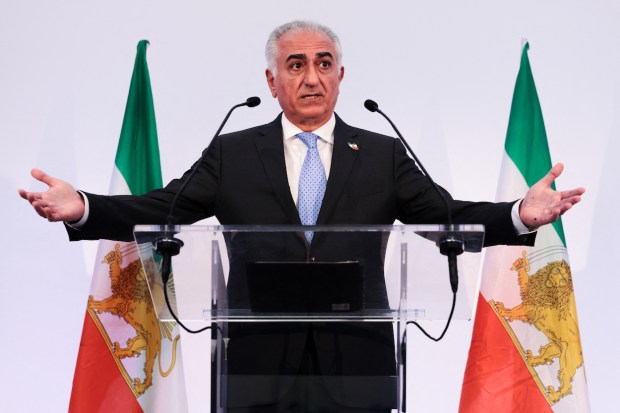
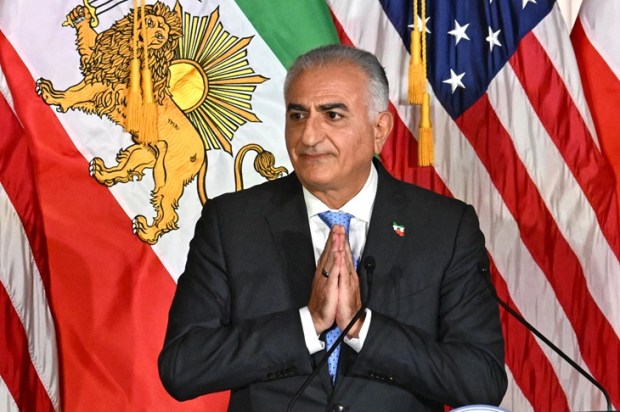
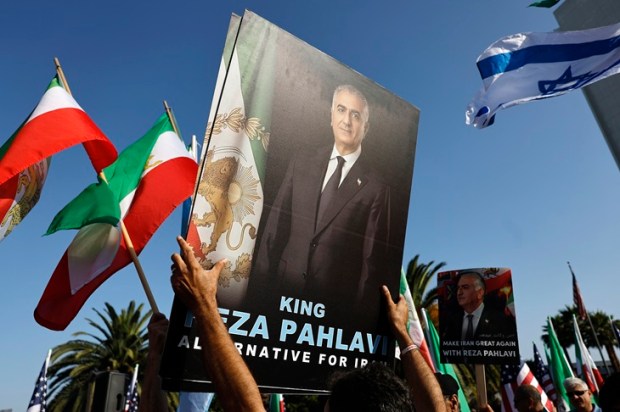
The people of Iran can no longer endure this situation. They have chosen their national leader and have called on the world to support Reza Shah II, so they can reclaim their country and reopen the path toward free elections and democracy. The Iranian nation is waiting for action, not soft diplomatic promises or empty assurances.
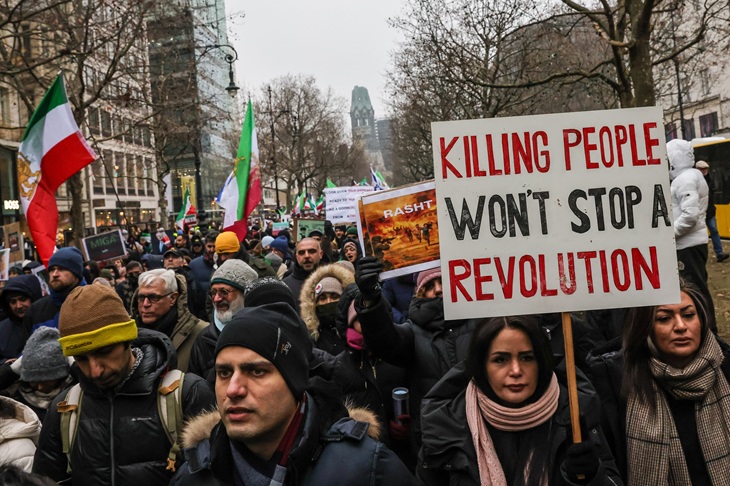
At the same time, the Iranian diaspora, through large-scale demonstrations, petitions, and letters to parliaments around the world has articulated six clear demands:
- Dismantling the regime’s machinery of repression and protecting the Iranian people
- Completely cutting off the regime’s financial resources
- Restoring free internet access and communications for the people of Iran
- Expelling the regime’s so-called ‘diplomats’ and pursuing international prosecution of its criminals
- The immediate release of all political prisoners
- Readiness to recognise a legitimate transitional government to guide Iran’s democratic transition
In a call issued by the leader of this movement, February 14 has been designated worldwide as a ‘Global Day of Action’ in solidarity with Iran’s Lion and Sun Revolution a day to take to the streets and compel the international community to take immediate, practical, and responsible action in support of the Iranian people, to accept these six demands, and to bring about the overthrow of the occupying Islamic regime in Iran.
By Leila Naseri: Author | Composer | Social Cultural Activist