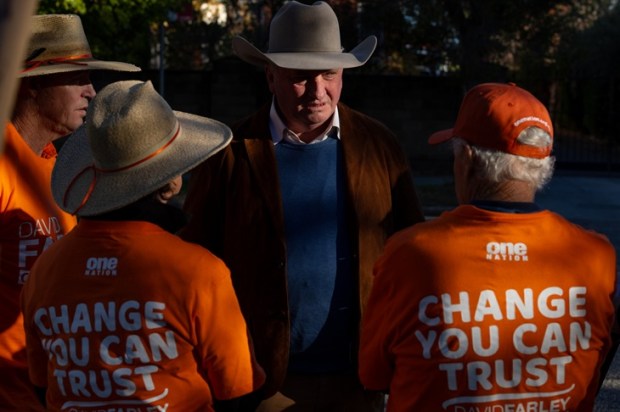
The most reliable sign that Reform is doing well in Scotland is the refusal of the lanyard class to engage with the subject. In the latest poll, Reform has cut the SNP’s lead to five points on the regional list, the second, more proportional ballot that offers smaller and newer parties their best chance of winning seats.
For the past six months or so, Reform has been jostling with Labour for second place; if its Scottish leader, Malcolm Offord, can sustain this momentum through to May, there is a good chance that Reform will leap from a solitary ex-Tory MSP to the main opposition party. An extraordinary feat for a relatively new party that, until recently, was a skeleton operation. (He is not a household name, but Reform supporters owe a debt of gratitude to Glasgow councillor Thomas Kerr, a former Conservative who has taken Reform’s message into areas of the city that have voted Labour, and latterly SNP, for more than a century.)
Despite the polls, there is little sign that elite institutions are preparing for the possibility of Reform replacing the Conservatives as the primary bulwark against the SNP
Despite the polls, there is little sign that elite institutions – parliament, civil service, NGOs, news media – are preparing for the possibility of Reform replacing the Conservatives as the primary bulwark against the SNP. To my knowledge, none of the major third-sector organisations have hired Reform-friendly policy or press officers, let alone senior staff. Ditto Scotland’s small network of lobbying shops. Plenty of Nationalists, some Labour, a few Greens, even the odd Tory on their books but, again, I cannot think of any Reform-minded types. It is not about political sympathy; it is about understanding how people think, why, and where you can make common ground with them.
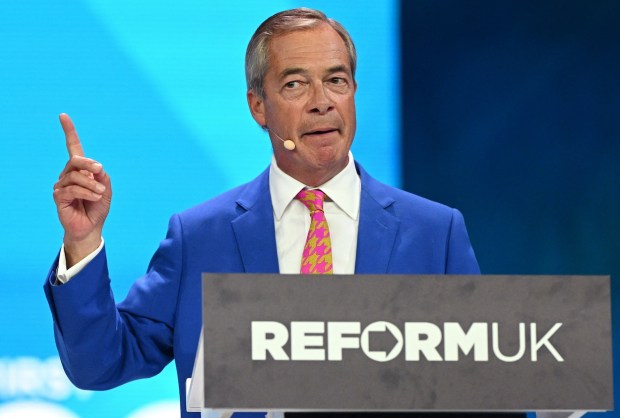
As an indication of how willing civic Scotland is to find common ground with Reform, in 2025 SNP first minister John Swinney convened a summit to counter the ‘increasingly extreme far right’. He declined to invite Nigel Farage’s party because ‘parts of the argument and rhetoric of Reform’ contributed to ‘the threat that is coming to our democratic system’. Despite the openly ideological nature of the event, more than 50 representatives of political parties, civic and religious organisations, and even an assistant chief constable of Police Scotland attended. Reform could end up the second-largest party in the Scottish parliament but be frozen out by a civil society that thinks neutrality is ten paces left of centre and fascism begins when an asylum seeker is asked for supporting evidence.
Back in November 2024, I used a piece on Coffee House to warn Scotland’s political and civic elites that Reform was coming, that they had underestimated Farage before, and that more Scots than they realised would find his message appealing. Needless to say, they did not listen and they did not learn. They never do. They think right-wing politics only appeals to the English and the Scots are too decent and fraternal and socialist to go in for such things. If the polls are even broadly correct, they are about to see that couthy, self-mythologising delusion rudely debunked before their very eyes. Reform is still coming, it is closer than ever, and civic Scotland clutching its pearls, or its lanyards, is not going to change that.