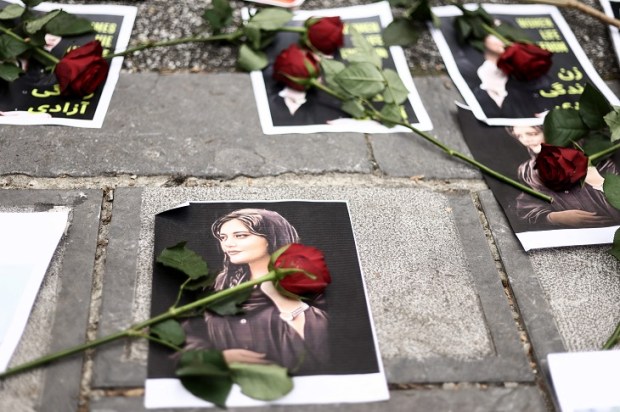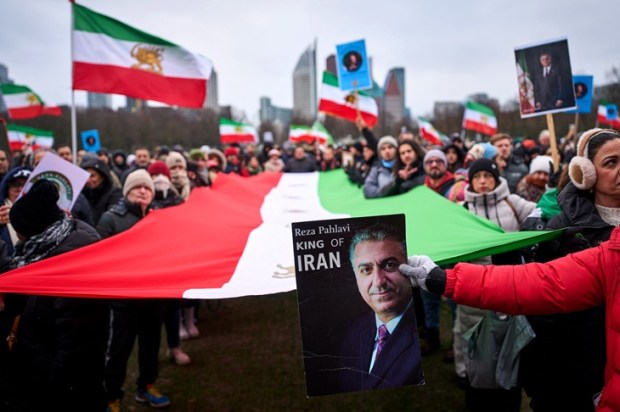
The uprising of the Iranian people, carried by the chant of ‘Javid Shah’, was drowned in blood. A chant that rose from the streets a chant 47 years in the making. It was not sudden, nor spontaneous; it was the accumulated voice of generations who have lived under repression, humiliation, and systematic violence. They were killed for standing firm in an effort to reclaim the dignity, identity, and stolen future of the Iranian nation. The regime’s response, however, was bullets and death: a brutal crackdown that, in just two days, slaughtered more than 12,000 people in Tehran and other cities. Streets turned into firing ranges, and unarmed citizens stood face to face with machine guns. Blood soaked the asphalt, and Iran once again witnessed one of the darkest chapters of its contemporary history.
Yet the people did not retreat. Courage, when it reaches the edge of life, takes on another name: resistance. Men and women who knew they might not return still poured into the streets not out of recklessness, but out of awareness. They understood that silence is a slow death, and that a chant, however costly, is the only way truth survives. The streets were stained red, but the voices were not silenced. Every chant became an act of defiance, every step forward a declaration that fear would no longer govern their lives.
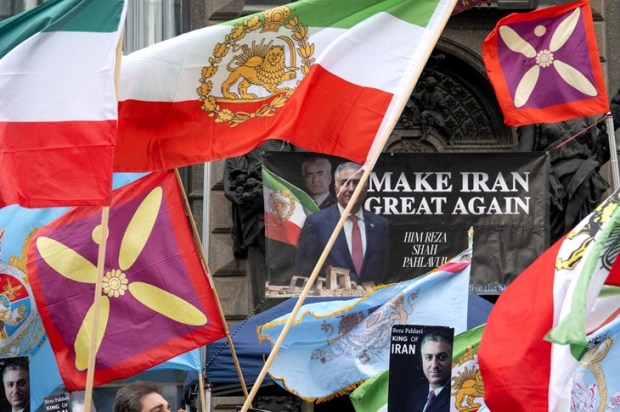
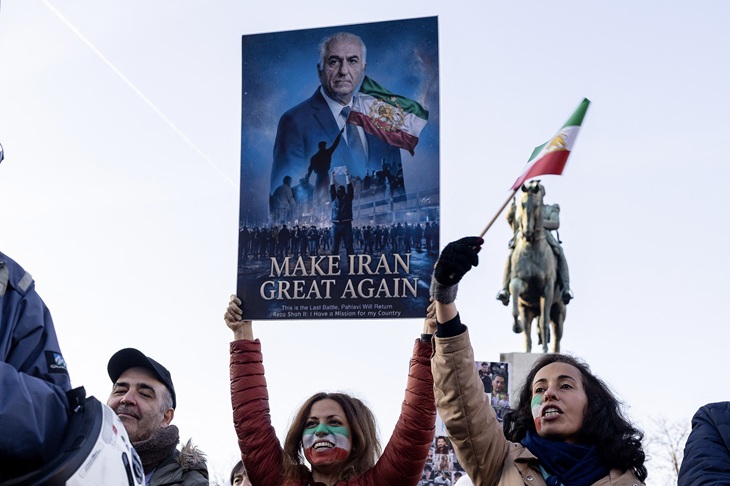
Beyond Iran’s borders, the echo of that chant was heard as well. Iranians in the diaspora organised massive gatherings, day after day and night after night, chanting in unison, ‘Javid Shah’. These were not mere demonstrations; they were declarations of loyalty to a nation standing under fire. Across cities around the world, squares and streets filled with Iranian flags and grieving yet resolute faces. The diaspora carried the responsibility of those who could no longer speak freely inside the country.
Journalists, activists, social leaders, and influential figures from diverse communities from Jewish and Christian communities to university professors and independent advocates stepped forward to become the voice of the Iranian people. They defended humanity itself and stood against censorship that sought to bury the truth beneath politics, ideology, and expediency. In an era of selective outrage, their presence mattered. They refused to look away.
Inside the country, the accounts grew even more horrific. Families were told they must pay to retrieve the bodies of their murdered loved ones. Those who could not afford the cost were denied even the right to mourn; their children were buried anonymously in mass graves. This was not only a crime it was an assault on human dignity and the most basic moral order. Grief was weaponised, and mourning itself became an act of resistance.
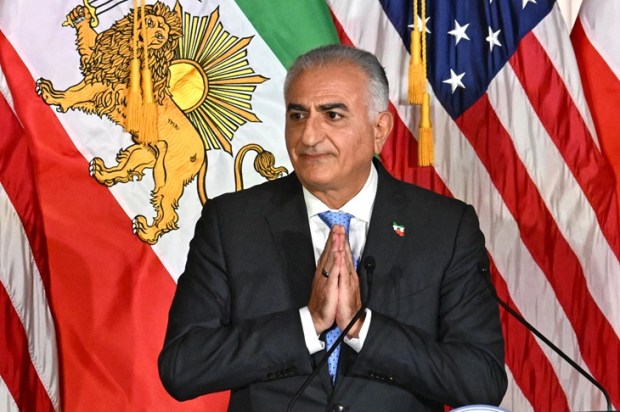
And yet, the name of Reza Shah II continues to echo through the streets. Even as their leader has called on people to chant from their homes to preserve lives, many still come out because they want to be seen, to be heard, and to ensure that history records that they did not surrender. They know that survival without dignity is not life.
Around the world, messages of support have emerged promises that have kept hope alive. But more powerful than any statement or pledge is the will of the people themselves. A nation that, after decades of repression, has reached a point where it has nothing left to lose but its chains.
Today, Iran’s uprising is not merely a protest; it is history’s judgment. History will record that in these days, a people rose with the chant of ‘Javid Shah’, paid the price, stood their ground and will, without doubt, prevail.
By Leila Naseri: Author | Composer | Social Cultural Activist