It is easy to forget that, under a quirk of the UK legal system, if you want to get the law changed it is often not enough simply to get legislation passed. Most Acts of Parliament state that their provisions come into force not immediately, or even on a given date, but when a ministerial order is issued. Supposedly aimed at flexibility and the ability to squish boring bureaucratic bugs before they bite, it also gives governments an effort-free way to annul legislation they don’t like. No need to repeal it: just don’t activate it. It will remain in limbo: law, yes, but still legal dead wood.
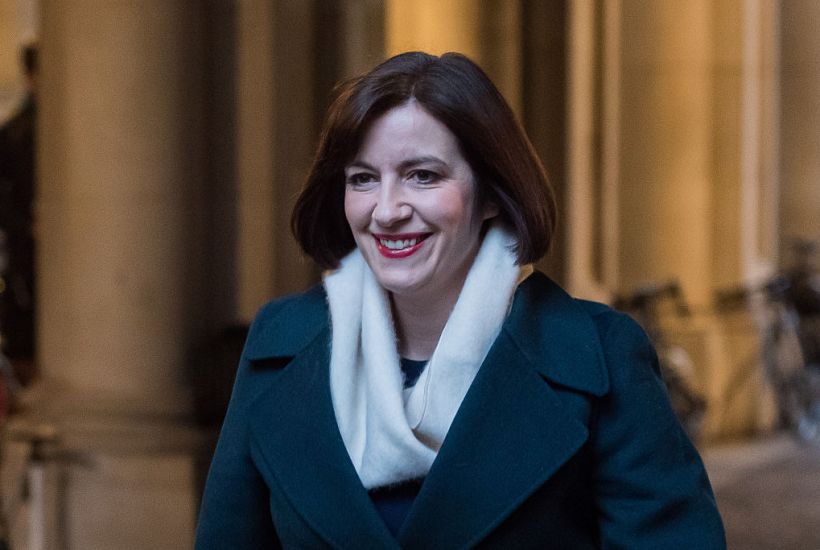
It’s now clear that Bridget Phillipson has actually decided to double down on preserving the comfortable university status quo
This technique has just been used against academics and students complaining at efforts to limit what they can say on campus. An embarrassing open letter from 350 senior academics pointing this out (full disclosure: I was one) has just landed on the desk of Education Secretary Bridget Phillipson.
For years, despite the existence of a few technical legal protections for academic freedom, there hasn’t in practice been much a student, teacher or speaker can do when told to shut up by a screaming mob, a complaisant administrator or a hectoring HR department murmuring the words, ‘our duty of care.’ The Conservatives’ Higher Education (Freedom of Speech) Act, would have been a remedy. It was passed in mid-2023 in the face of virulent opposition from a higher education establishment which loved its existing licence to do (or not do) very much as it pleased. Not only would it have let those denied free speech sue, it would have required the OfS (Office for Students) to investigate free speech complaints and recommend action.
Unfortunately the Tories then fatally dragged their feet. The ministerial order activating these vital protections took effect from August 1, 2024. Following the election in July a delighted Bridget Phillipson unceremoniously signed a paper revoking it, bringing the whole thing to a crashing halt and leaving free speech victims back where they were.
An exercise in political payback and opportunism? Of course. Despite Bridget Phillipson’s fatuous official excuse for the screeching stop, that the free speech protections were a ‘hate speech charter,’ the real object was beyond doubt. Vice-chancellors and university bigwigs, rarely if ever Tory adherents, had been quietly bending Labour MPs’ ears for months urging the stymying of the legislation. And that’s before you factor in that much of Labour’s intellectual support comes from precisely those academics in the forefront of the movement to constrain academic speech. It also allowed the government to stand back from what it saw as demeaning – and potentially embarrassing – culture wars.
Nevertheless it was a miscalculation. In response to the halting of the legislation over 600 highly-placed professors publicly stated that the extra free speech protections weren’t culture war flummery and actually mattered. Phillipson partly climbed down. The ability to sue had to go, she said. But there would be a complaints scheme after all. There just had to be a few changes. The OfS should have no duty, only a discretion, to handle complaints, and then not from students. Unfortunately, she added, this would require further legislation, which would have to wait its turn.
That last point lets the cat out of the bag. It’s now clear that Bridget Phillipson has actually decided to double down on preserving the comfortable university status quo. That she will expend much energy on pushing for legislation seems unlikely: sorry, but parliamentary time is precious, don’t you know. And even the scheme does materialise, one suspects there will be little threat to the status quo. Students will still in practice be expected to knuckle under and obey orders to shut up when they raise awkward questions about gender theory and someone else shouts the magic word ‘I feel unsafe’.
What now? The open letter may help, particularly as the 350 signatories included three Nobel prize-winners: it also shows that the sensible academic community is very suspicious of letting universities mark their own homework. But this is also an open goal for the Tories and Reform. Voters, especially the just-about-managing, have little time for woke causes and, crucially, even less for the idea that if their child goes to college he will be prevented from saying what he thinks (and possibly what they think too). Keep pushing, and you never know: there might even be another U-turn by a government desperate to avoid further unpopularity. Stranger things have happened.