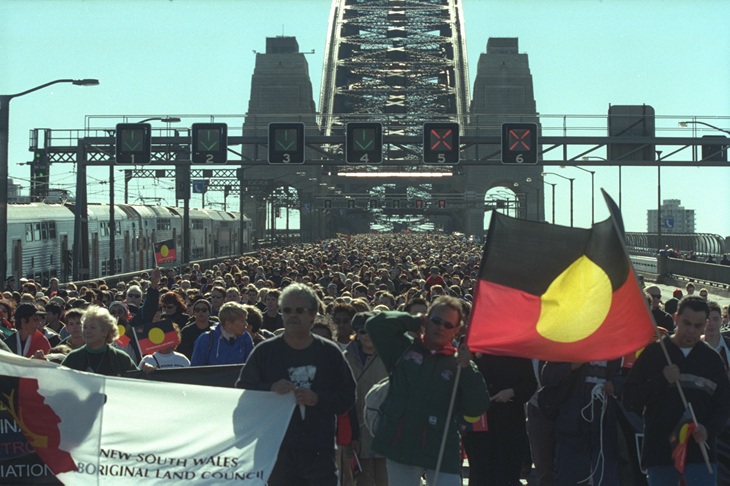
Thirty years ago, Paul Keating stood in Redfern Park and said the words that changed the tone of Australian politics: ‘It begins, I think, with the act of recognition. Recognition that it was we who did the dispossessing.’
That brief act was political genius and became the blueprint for a new political industry, copied abroad.
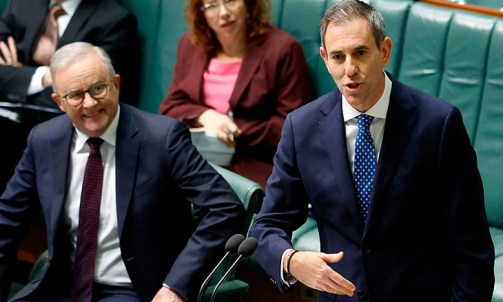
Since Keating, every Prime Minister has learned to speak in the same key of sorrow. Kevin Rudd apologised to the Stolen Generations, Julia Gillard to the mothers of forced adoptions, and Anthony Albanese to the victims of Thalidomide. Each followed the same choreography: solemn opening, recital of harm, emotional climax, and a gentle landing in unity. The rhythm never varies: we acknowledge, we apologise, we move forward.
It sounds humble. It isn’t.
Once the state could apologise ‘on behalf of the nation’, it could forgive itself in the same breath. Apology, once a moral weight, became solvent, spreading responsibility until it dissolved.
When Kevin Rudd rose in Parliament in 2008, he kept Keating’s rhythm but drained it of risk. ‘We apologise for the laws and policies of successive Parliaments and governments,’ he said, and the chamber applauded. In seven minutes, the nation confessed, was absolved, and applauded itself.
Since then, the ritual has become routine. Gillard’s apology to the mothers of forced adoptions was, in my opinion, bureaucratic theatre: sorrow read aloud in the present tense for actions long buried in the archives. Albanese’s apology to Thalidomide victims turned negligence into national empathy. Staging is fixed: survivors, candles, the nouns, suffering, trauma, healing, then absolution: ‘Together we move forward.’
It isn’t an apology. It’s a moral weather report.
Like the weather, it changes nothing. It gives the public a sense of motion while leaving the climate intact. Each declaration of sorrow becomes an atmospheric event, low-pressure morality that passes by afternoon. What began as repentance has become routine; what once signalled conscience now forecasts sentiment.
Notice what never happens. Nobody asks the public for permission. Nobody asks the injured for forgiveness. Nobody ever names the guilty parties. Ordinary Australians, many descended from convicts or migrants who had no power at all, are swept into the same ‘we’ confessing for colonial sins or bureaucratic cruelty.
The modern apology sounds unifying but it rearranges power. Canberra speaks in our voice to tidy up its own history. We are not participants in the ritual. We are its props.
Remorse is useful. It costs nothing and buys virtue. Each public apology produces a short-term dividend of moral credit. Government looks humane, media get catharsis, citizens are told they have matured as a people. No budgets shift, no careers end, no memories besmirched. Contrition is the clean energy of modern politics.
The performance has become the policy. A few words of sorrow can achieve what years of reform cannot. The illusion of moral motion replaces the effort of correction, and the audience, exhausted but flattered, mistakes sentiment for progress.
Canberra will apologise for the supposed sins of ancestors, but never for the injuries of administration. There was no apology for the lockdown excesses, the silencing of dissent, or the quiet cruelty of economic policy that punished those least able to endure it. Present pain is dangerous. Past pain is safe. History can’t answer back.
‘We’ once meant government. Then it meant nation. Now it means mood. Guilt is nationalised. Virtue is centralised. No one is ever asked to forgive because forgiveness is assumed.
An apology culture looks harmless until you see what it replaces. Performance replaces effort. Each act of collective contrition drains the public of agency and converts history into sentiment. The more the country apologises, the less it reforms.
Ordinary Australians keep being forgiven for things we never did. The ‘we’ that speaks from the dispatch box is not us. It is Canberra, wearing our conscience as a mask.