I keep losing track of how many billions of dollars have been promised during this unofficial stage of our Federal Election campaign.
My concerns are two-fold.
The first worry is that politicians do not understand how little Australians can afford what they are offering. My second worry is that the electorate may not understand that we cannot afford it.
Both problems stem from a basic ignorance of what money is about. Money is an idea. It replaces exchanging goods for services when we help each other in some way. As someone who has been a counselling psychologist and teacher, if there was no money around, I would need to receive food for my services – because whatever I can offer in the marketplace, growing edibles is not one of my strengths.
Money is like a promise – when I do something for you, you give me a piece of paper that promises I can obtain something I need. That only works if when I go to use the bit of promise paper, the third person agrees to its value. For example, if you give me a piece of paper that promises I can get one kilo of bananas, the person with the bananas has to also agree. Otherwise, when I go to get my bananas, I might only come away with 750 grams worth of the yellow-gold food.
Our money system reflects these basic ideas, writ on a very large scale. There are a couple of changes that can happen that makes the idea of money as weak as a house of cards.
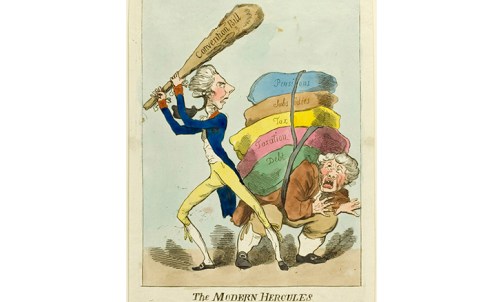
Imagine a community that built up their stock of promise paper by people working hard (let’s say, by growing bananas). Because of their hard work, they can offer more to each other. They can offer more because they have more bananas to give each other. But then, under the secret cover of officialdom (let’s say a devilish politician in this story), a villain decides not to do more work. Instead, he just secretly prints more promise paper that is not linked to bananas, but he still pretends that it is the same worth as all the other promise paper. He claims his promise paper is of the same worth because he uses it to pay his servants, not for growing bananas, but for dancing around him. He then starts spreading his newfound wealth around.
But – and here is the kicker – suddenly there is more promise paper than there is food being produced. That means people have to give more promise paper to buy their bananas than they used to. Why? Because the evil monarch has splashed his worthless promise paper around. It is worthless because it is not founded on real bananas. It is simply founded on his vanity and greed.
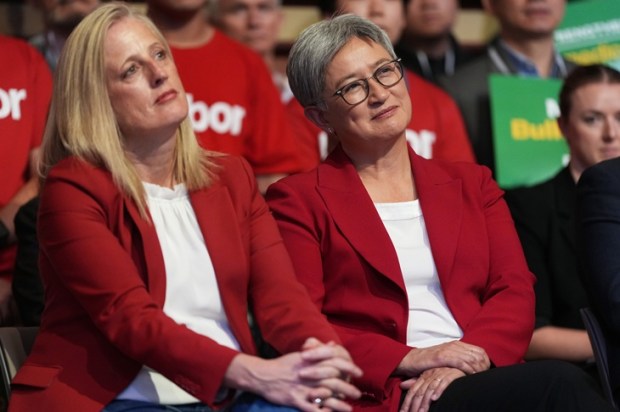
That is what is happening in this election. The politicians (the current government in particular) are splashing around more promise paper that is not linked to real work (what we call real increases in productivity). It sounds grand and generous and caring. But it is devilish.
And the second concern is what makes it so bad. These political leaders have learnt that a lot of people in the village do not understand that the promise paper is increasingly worthless. However, the villagers do know that it now costs more to buy a banana. So, when someone offers them more promise paper to buy more bananas, they think that is a good idea – for them. They do not know it will make their problem worse for longer, because no one has taught them that reality!
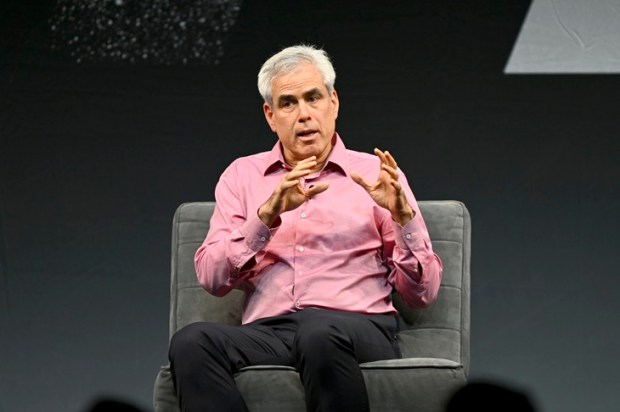
To use the language of Jon Haidt (in The Happiness Hypothesis), the elephant of their emotions steers the rider of reasoning. We assume that reason can steer the elephant – but when there is ignorance, the rider cannot control the beast of self-interest.
I sometimes hear commentators say, ‘The electorate are not mugs.’ They may not be mugs, but they can be kept in ignorance, fed fear, and then offered a life-saving option to the concocted crisis. If you do not believe this, try explaining our subservience during Covid (and if you need more help in this reflection, read The Great Covid Panic by Frijters, Foster, and Baker).
It already alarms me that I see the well-worn socialist playbook of feeding fear through deceptive and false narratives within the political contest. It is intense because of their insistence of their version of the truth being definite, settled, and the only way forward. This false certainty of righteousness is applied to the big public policy issues (think environment, energy, and healthcare for starters). It is also thrown around as a personal attack. It is persuasively dominant in some media sources.
And the false story is most noticeable in how the idea of money is being subverted and abused. Bjorn Lomborg has repeatedly explained that the best way to help our world – even environmentally – is to help people overcome poverty.
Yet our current government acts perversely in the other direction. It is wondrously, and horribly, making its own citizens poorer. This is what they are proposing to do by giving out more promise paper to keep people safe from their fear of not having enough. My fear is different. What I see is that too many of us are like willing lemmings, being offered more and more promise paper to buy our bananas while running happily to the edge of the cliff together.
What makes me so cynical about all this? Perhaps because of the numerous commentators I have heard who celebrate that the subsidies are genuine expressions of compassion – but they are, in reality, handouts that again make the promise paper worth less. Of course, all those mega-rich energy players applaud their green energy-focused increases in promise paper. That’s because their subsidised income pushes promise paper into their pockets faster than the rate of decline in its worth for everybody else. They literally profit at the expense of the lemmings. Which leads me to reflect – how morbidly repugnant are those so-called independents in parliament who become voices for this ‘subsidising the wealthy scheme’ under the guise of being do-gooders?
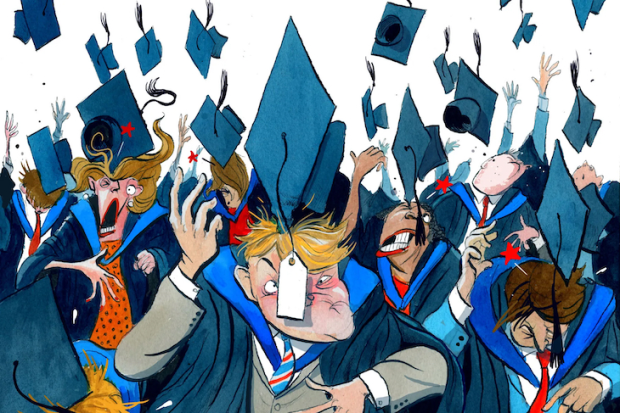
Of course, none of this has to do with the parlous state of our education system, does it? Surely all our school and university students graduate with a basic understanding of the money system, don’t they? Silly me.