Pluralism – or the ‘doctrine of multiplicity’ – tends to go hand-in-hand with liberal democracy. Based on the concept of ‘freedom of assembly and association’, individuals are generally free to protest peacefully or be part of non-violent groups and to organise around common interests and promote their views publicly. This has not always been the case.
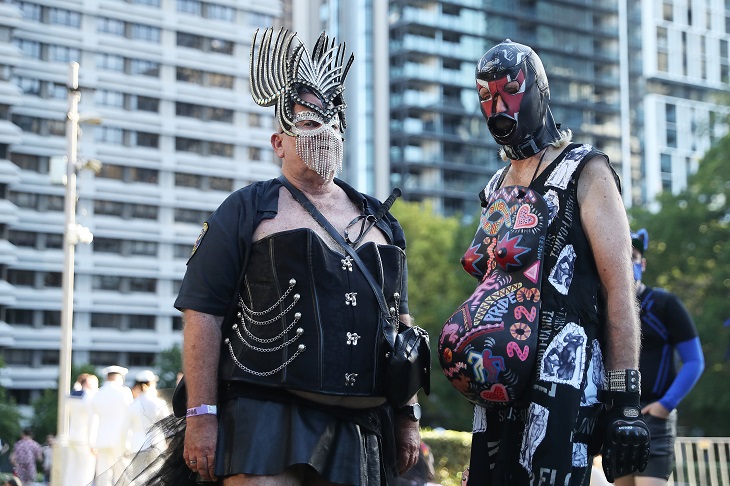
Activism once lay at the heart of the original Mardi Gras protest in 1978, calling for an end to laws that made consenting sex between adult men illegal in Australia. How times have changed – in an ironical twist, Mardi Gras officials ignored calls to ban police and prison guard floats from this year’s parade.
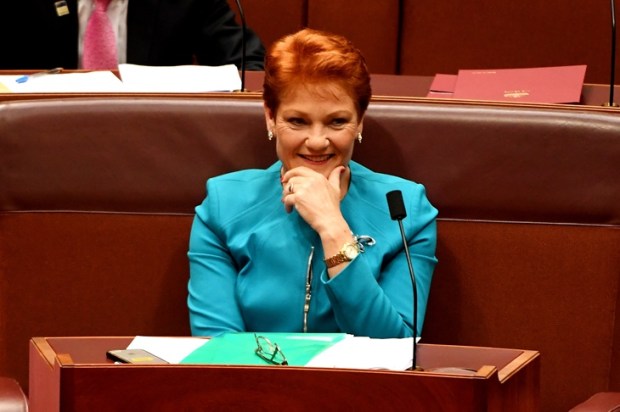
Meanwhile, Senator Lidia Thorpe blocked the Australian Federal Police force’s float while promoting her #NoPrideinGenocide and #NoCopsinPride campaigns. While respecting the right to protest, Mardi Gras officials had no problem removing Senator Thorpe from the parade ‘for the safety of our participants and audience’. Thorpe was not charged by police. 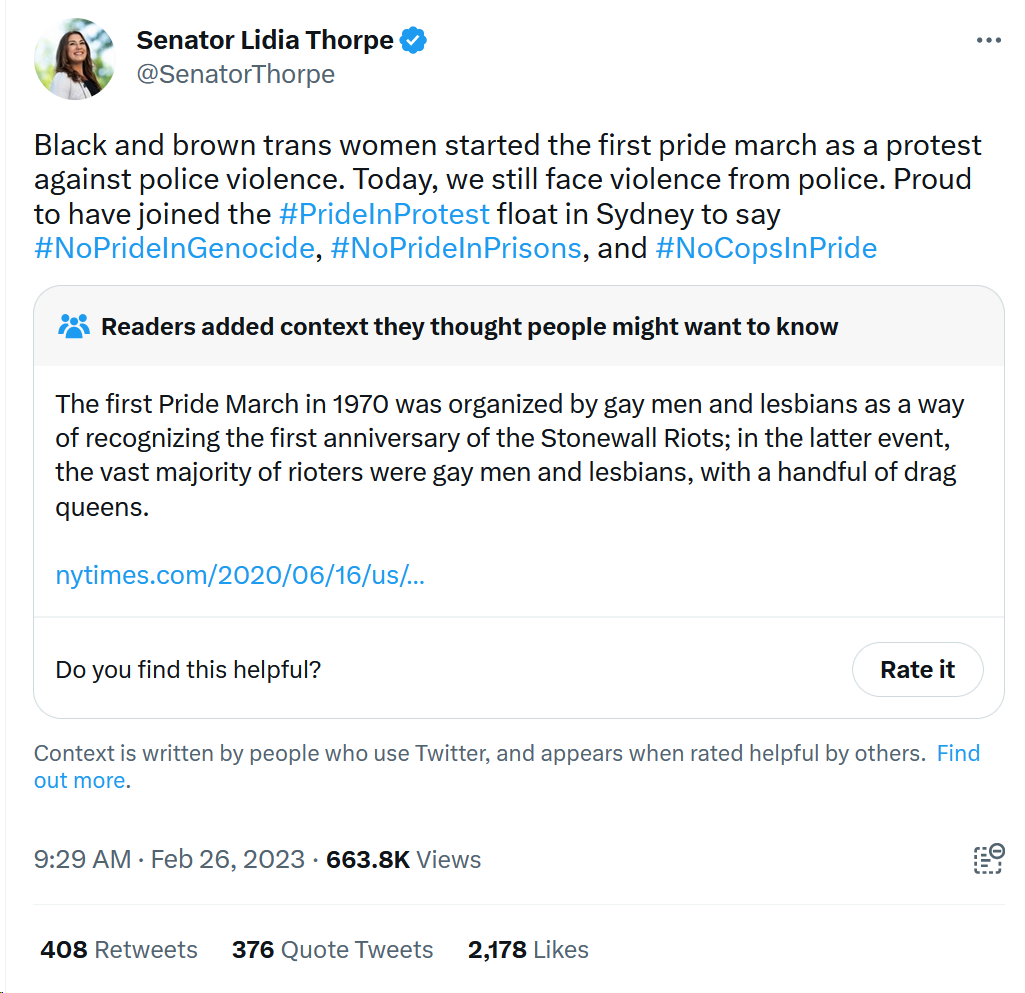
One could be forgiven for thinking our society is freer and more accepting than ever. But despite the cost of living sending most Australians financially backwards, the Culture Wars have come to dominate policy issues in Australia. Rather than uniting the country, identity politics, the battleground for the Culture Wars, is creating major differences in how people are treated based on the narrowest conceptions of identity.
In the political science literature on social cohesion, the concept of ‘cleavages’ describes the differences between certain groups where some people are significantly disadvantaged compared with others. Traditionally, political parties in Australia represented the divide between labour and capital, supported by the pluralist ‘rules of the game’.
Where cleavages are shared by a large enough group, society can still be relatively stable because people see themselves as ‘all in the same boat’. But if one part of the group is privileged over another, there can be trouble.
Coinciding cleavages occur where social and economic disadvantages appear in delineated groups that share similar demographic characteristics. For example, a single mother who lives in public housing bears the brunt of numerous social and economic cleavages in that they may ‘get the short end of the stick’. As a result, coinciding cleavages tend to be the most volatile as differences increase.
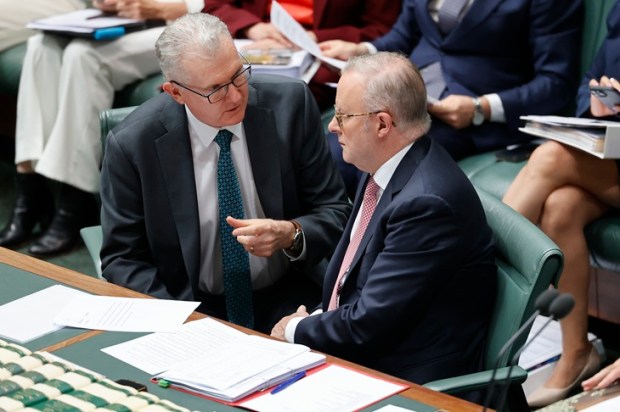
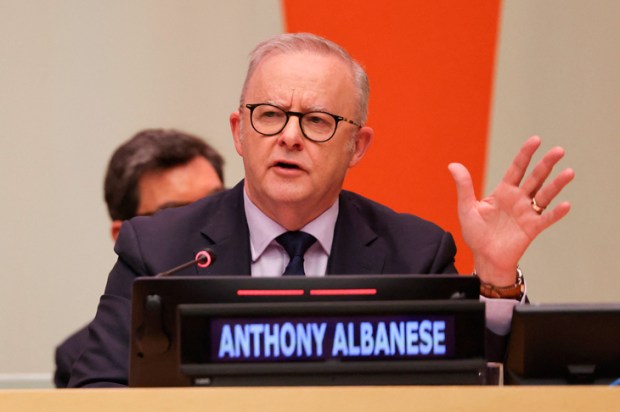
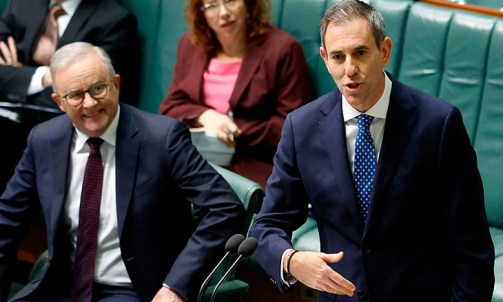
Ideally, however, liberal democracies aim to protect such people from dire social and economic circumstances and maintain a level of social cohesion, especially when compared with poorer countries. This prevents or at least reduces the impact of circumstances on one’s opportunity, as Mr Albanese repeatedly reminds us of his upbringing in precisely such circumstances.
The least divisive form of social unrest is created by what are known as cross-cutting cleavages. Conflict between these groups is diffused because divisions are not as concentrated in particular groups. A plurality of groups exists where some will experience both disadvantage and privilege and it all evens out in the end.
But identity politics is creating persistent privileges for some groups based solely on their self-selected identities. In the meantime, the propaganda of the ‘Culture Wars’ signals virtues to those who have different ideas about issues such as race, gender, climate, and the limits of government intervention.
The assumption that people identify within strictly demarcated bounds is far from the truth. It is also perplexing and divisive for those who are either on the receiving end of others’ virtue signalling or otherwise identify in two or more categories of identity politics, typically in ways that do not meet the requirements of the other side.
For example, is it wrong for a veteran who is of Aboriginal descent to not want a welcome to country performed before the Anzac Day Dawn Service?
Should there be a minute’s silence at the beginning of Mardi Gras to commemorate those who died protecting such freedoms?
Can a Christian insist that the Lord’s Prayer is said at the beginning of every Zoom meeting?
Can a Monarchist refuse to give an acknowledgment of country at work?
Is an employee of the government, an educational institution, or a corporate entity like Telstra or Qantas allowed to disagree publicly with their organisation’s politics?
For many, this is no longer about diversity; it’s about having every aspect of identity politics shoved down one’s throat at every opportunity.
Politicians, corporates, and universities that publicly support political agendas isolate about half of their constituents, staff, students, or customers. Not because people do not want a fairer and more accepting society, but because the way it is being driven by virtue-signalling is changing the rules of the game.
Theoretically, the impact of cross-cutting cleavages is diffused where the rules of the game do not privilege one side over another. But now the rules have been changed, we are more divided than ever.
Politically driven elites are setting the rules and limiting the freedoms of those who disagree while allowing their supporters to do and say as they please. This means that important policy debates are ‘conservative-free zones where essentially everyone agrees with essentially everyone else on essentially everything in a left-of-centre way’.
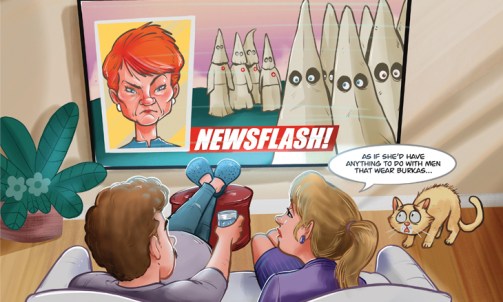
In the meantime, our political leaders are engaging in Culture Wars where insults are reduced to throwaway lines like ‘racist’, ‘sexist’, ‘transphobic’ – you name it – rather than respecting the pluralist nature of our society.
Instead of engaging in reductionist mudslinging, our adversarial system works best when policies are honed through the contest of ideas. We may end up ‘satisficing’ rather than producing an optimal result, but that is one of the trade-offs of liberal democratic practice. The pros outweigh the cons when everyone can at least live with the outcome.
In our present political situation, we are conveniently divided but not yet conquered. But it is no longer about having the courage to call out undue influence. Political correctness amid economic crises make it difficult to speak up without putting one’s job at risk.
Forcing political outcomes on the voting public may lead to outcomes people cannot live with, especially where debate is stifled. In developing economies, coinciding cleavages amid economic pain are a recipe for disaster. In Australia’s case, the undoing of pluralism amid cross-cutting cleavages will only accelerate as cost of living pressures continue to bite.
In the meantime, attempts to unite us are dividing us, and there appears to be no political solution in sight. Unless, of course, that was the intention all along.