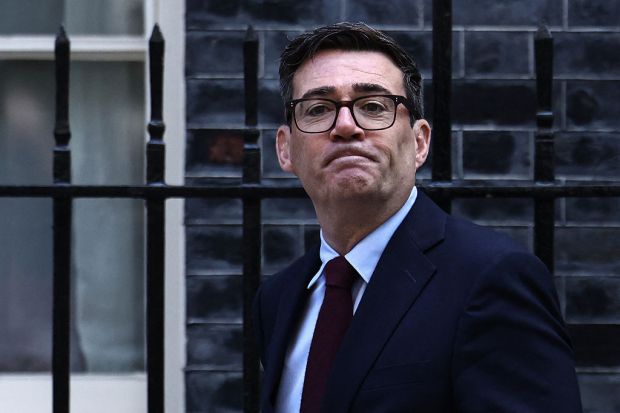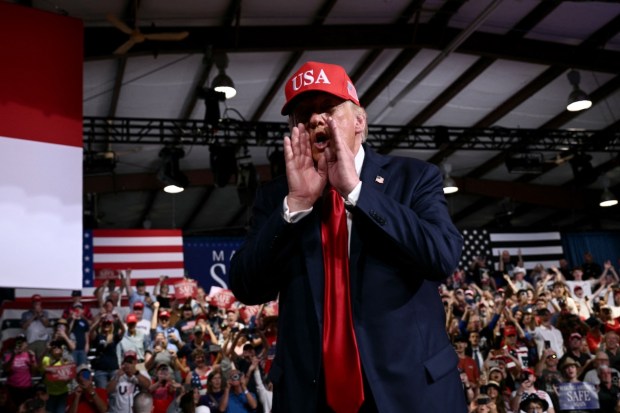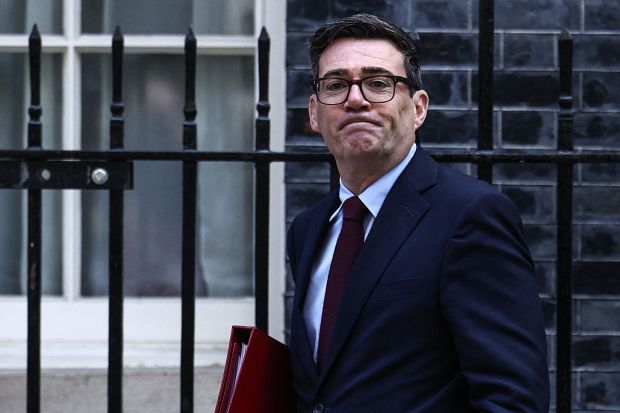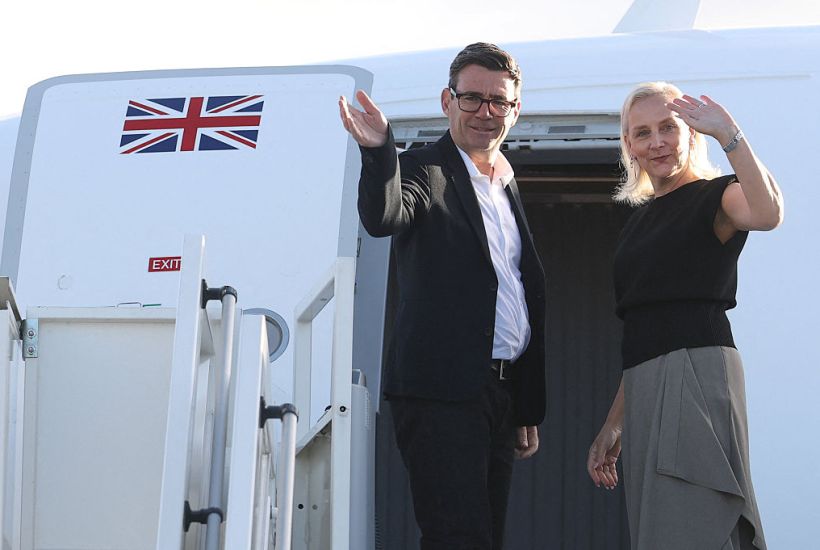
Prime Minister Andy Burnham’s honeymoon is over. His plate at 10 Downing Street is full and his office is packed to the brim with a collection of troubles ranging from the UK’s shrimp-like defence budget to the country’s ongoing cost of living crisis. He can now add an in-person meeting with US President Donald Trump to the mix, an engagement that can either go smoothly or poorly depending on which side of the bed Trump wakes up on that morning.
Trump and Starmer had plenty of summits and conferences with each other, only to part ways after their interests clashed
As hundreds of diplomats descend on Manhattan for the annual UN General Assembly meetings for a week of speeches and after-dinner cocktails at any one of New York City’s fine establishments, one can easily picture Burnham huddling with advisers in his hotel room trying to decipher how his session went. The PM’s harsh criticism of Trump during his past life as mayor of Greater Manchester won’t make things easy on him, although the fact that Burnham has already spoken to Trump twice on the phone means the two politicians at least have some familiarity with each other.
But that’s where the similarities end. Burnham and Trump enter their meeting on the sidelines of the UN with different objectives, political philosophies, politics and ways of doing business. The first likes to think of himself as a less rigid, more for-the-people version of the stiff, boring Keir Starmer; the latter has an ego the size of UN headquarters and doesn’t hesitate to employ coercion, rhetorically or otherwise, to browbeat the person on the table. Just ask Starmer, whose relatively rosy personal and professional relationship with Trump during the first year of his second term quickly fell apart like a house of cards over the war in Iran. Starmer eventually came around to allowing US bombers stationed at British bases to strike Iranian targets along the Strait of Hormuz, but Trump never forget the initial snub and cites it to this very day.
The point for Burnham is clear: diverging from Washington on a single issue in the age of Trump can torpedo the senior-most level of the so-called ‘special relationship.’ That relationship isn’t as strong today as it was when the Atlanticist Joe Biden was in office. The percentage of Americans who believe the UK is Washington’s most valuable ally has declined by 22 percentage points, to 32 per cent, over the last five years. The feeling is mutual on the other side of the Atlantic; Trump is extremely unpopular in the UK, with only 12 per cent viewing him favourably. Even Nigel Farage has distanced himself from the Trump administration at times. Frankly Trump’s numbers make George W. Bush, another American whom the British public grew disillusioned with, look like Winston Churchill.
Even if Trump and Burnham get on positively this week, the meeting itself isn’t the most important event. What truly matters is the follow-through. After all, Trump and Starmer had plenty of summits and conferences with each other, only to part ways after their interests clashed. While it’s far too early to predict a similar story now that Burnham is occupying No. 10, one can’t rule it out either.
There are any number of friction-inducing developments that could cause turbulence. For instance, it’s not a stretch to imagine Trump blasting the Burnham government for insufficient or leisurely military spending after Chancellor John Healey finally publishes the budget in October. The ongoing war in Iran, which has catapulted Trump’s approval ratings to the lowest of his presidency, will remain a dark storm-cloud hovering over US-UK relations, particularly if Burnham reverses Starmer’s policies by placing restrictions on how the US Air Force can use the base at Diego Garcia. And with the Houthis in Yemen continuing to advance and in effect controlling the country’s entire Red Sea coastline, you can be almost certain the Trump administration will expect the UK to get involved militarily if Washington decides to grant Saudi Arabia’s request for military intervention. London green-lit strikes against the Houthis in 2023 and 2024 during the Biden administration’s own air campaign there, but that was an altogether different time with a much different crop of leaders. Last night, Burnham agreed to let the RAF support defensive refuelling for Saudi strikes. We’ll have to see if that is enough for Trump.
Burnham will have his own asks as well. Ukraine is clearly a country he holds dear to his heart. The PM jetted to Kyiv and sat down with President Volodymyr Zelenskyy for his first summit with a foreign official. Soon thereafter, Burnham handed over once classified information to help Ukraine build its own long-range ballistic missiles. As his advisers have telegraphed, Burnham hopes to persuade the Americans this week to increase deliveries of air defence interceptors to the Ukrainians as they deal with ever more lethal Russian attacks.
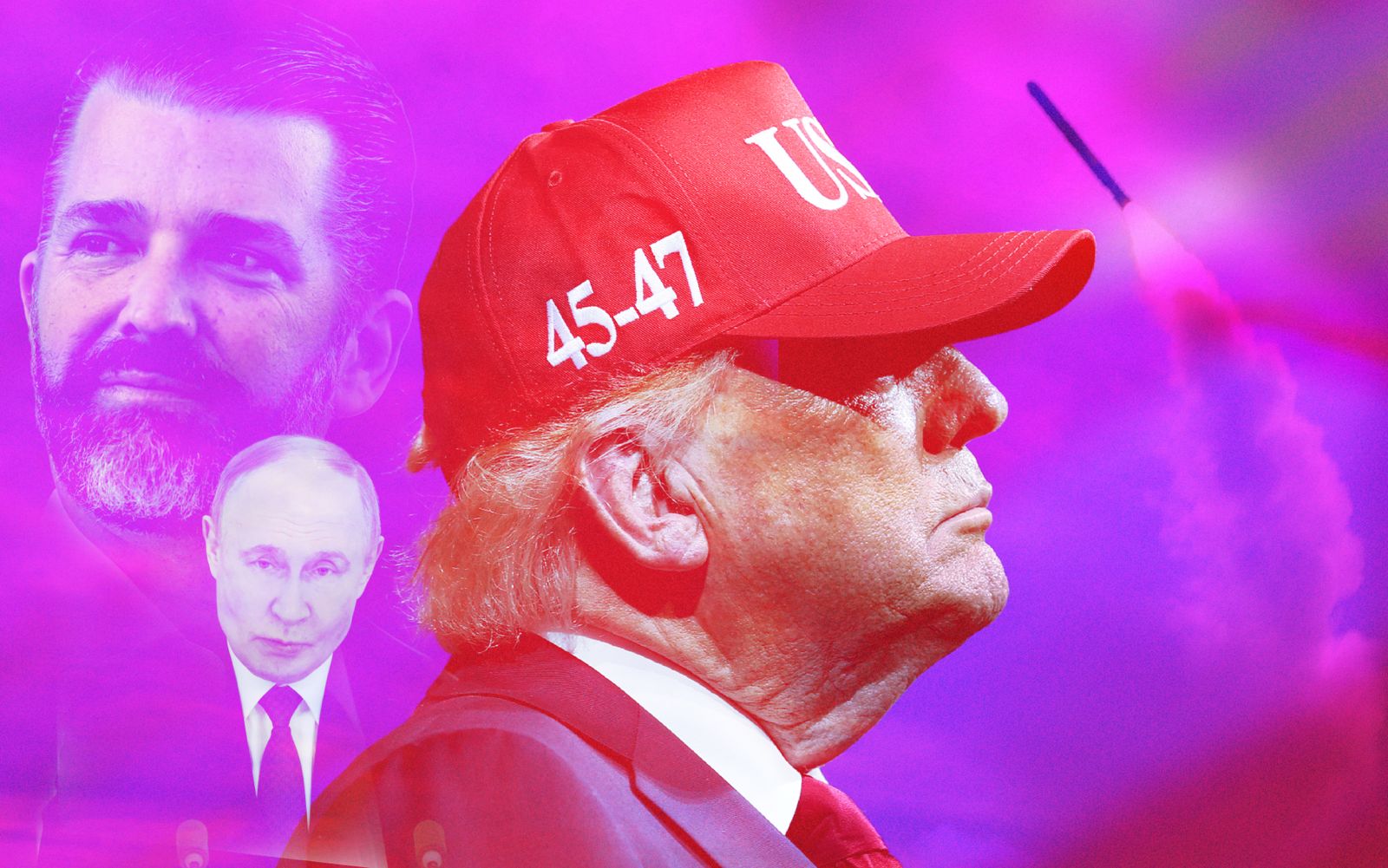
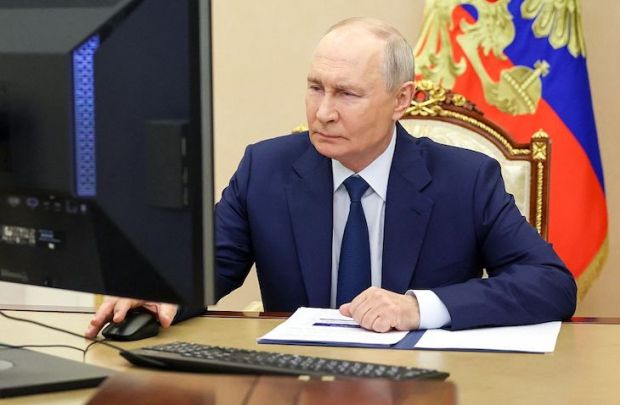
Trump, however, has other priorities, and it’s unlikely Ukraine is even in the top five. Sure, his chief negotiator and son-and-law continue to jet to Moscow and Kyiv to talk to the respective players, but it’s highly unlikely even the outlines of a peace agreement will be settled until after the winter months, which Russian President Vladimir Putin intends to spend hammering Ukraine’s energy infrastructure to an even more violent degree than in the past.
In the event of an unforeseen blow-up between the two on camera, Trump and Burnham will shake hands, smile and assure everyone that things are just fine. Of course, things were fine with Trump and Burnham’s predecessor as well. Until they weren’t.