When the Earth shakes – climate reparations fall out. That may be the eventual lesson of the Nepal flood that took place in August 2026 and left thousands either dead or missing.
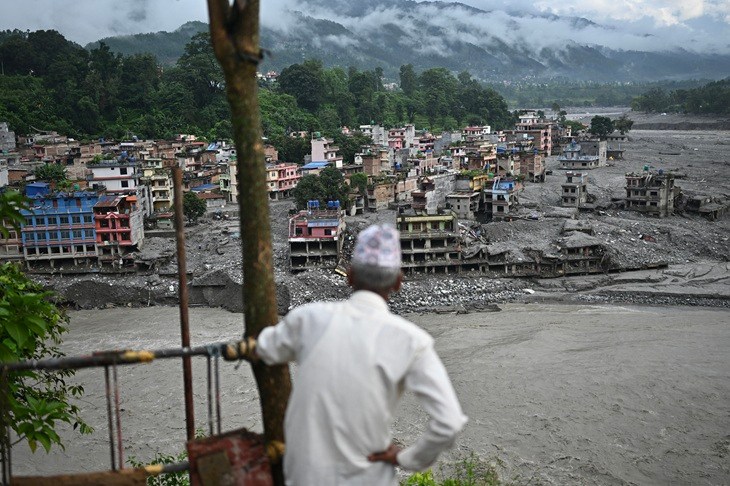
It was a tragedy. An earthquake dislodged part of a glacier which crashed into a river, temporarily blocking it, before a torrent of water was forced through the steep and narrow ravines, washing away settlements cuddled up against the river.
Sad, but an inevitable consequence of the area’s geography.
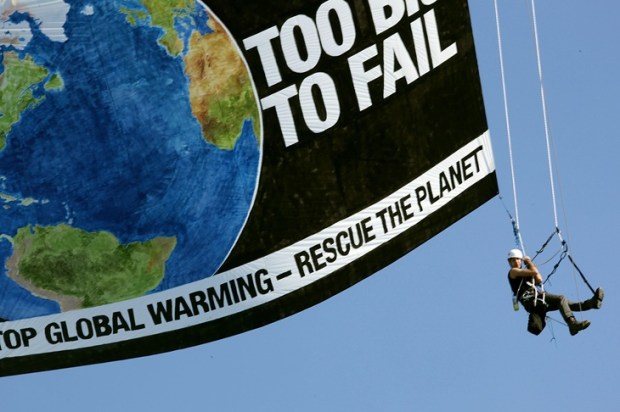
Attempts to rebrand this event as a consequence of global warming serve as an example of the climate narrative reaching for something that isn’t there.
Glaciers collapse following earthquakes with or without warm weather. They are enormous sheets of ice moving as rivers over mountaintops. Though it happens in slow motion to the eyes of a human, they are constantly crashing into Nepal’s valleys like our rivers feed the sea.
Shutting down China’s energy network would not have prevented the Nepalese disaster. Erasing humans from the system doesn’t impact the steady march of the planet out of the Last Glacial Period. And if this really is about emissions, why not seek reparations from the oil capital of the world … Iran?
The political ideology of Climate Change has elevated humanity to masters of the weather and re-drafted natural processes as if they were a moral consequence and punishment for the unequal advance of civilisations.
Instead of civilisational progress being celebrated as a spiritual, technological, and cultural success, it has been demonised with the false accusation that the first-world made the third-world poor and that massive wealth-redistribution will equalise civilisations. We have seen this before with the demonisation of personal wealth as exploitation instead of a reward for labour.
Part of this pseudo-spiritual movement, which wears the disguise of science, invokes the logic of pantheon where first-world civilisations remain immune from the negative impacts of their so-called sin of success, while the poor anti-colonial third-world suffers the consequences. This creates a guilt and victimhood narrative that Western Marxists believe they can use to disempower their eternal enemy: the West.
It is all a bunch of nonsense that overlooks the third-world’s active role as some of the worst polluters on the planet. They whinge about the climate while turning their own nations into rubbish tips with polluted waterways and toxic emissions on a scale no Western nation would tolerate. Even attempts to help them enter the renewable revolution has resulted in scenes of their own people digging up pipes and dismantling transmission lines to strip the copper. Roads are dismantled for their bitumen the hour they are laid and locals discard waste directly into river systems.
The vision painted by activists of Eden Interrupted is false and insulting to the Western nations who have, for hundreds of years, prioritised environmental action and kept their own nations pristine. Indeed, many citizens of the West have noted that mass migration has had a major negative impact on the environment. Look no further than Ceuta and a butchered dolphin paraded through a crowd of illegal migrants like a trophy amid the muck of their shanty town.
None of this will stop Nepal testing the limits of climate reparations.
Several legal and ideological decisions have taken place on the international stage which could weaponise natural disasters as a vicious geopolitical tool.
Re-writing natural events as being the fault of rich nations on the other side of the world serves as the next lucrative international conspiracy which cash-poor governments are highly motivated to support. And they will have plenty of help padding out the narrative from a range of parasitic climate organisations that make their hay from international green grants, donations, and doomsday rhetoric that requires every storm, wave, drought, and flood to serve as evidence in a narrative that overstayed its welcome a decade ago.
Nepal has been quick out of the gate on this one, turning the tragedy of a recent flood into an opportunity to bully India into reparations. Representatives from Nepal’s government said:
‘Nepal must hold its head high internationally and turn this into a matter of justice. We will raise this matter explicitly and forcefully on international platforms.’
Or maybe Nepal should take more responsibility for planning permission that allows settlements in such risky locations?
The estimated cost of the flood is currently $5 billion (USD).
Nepal has insisted it is ‘enduring the price’ of climate emissions instead of acknowledging the simple reality that the rooftop of the world is an active collision zone between the Indian plate and Eurasian plate. The ground beneath their feet is rising. An entire landmass is being swallowed by the Earth. Their beautiful ice-capped mountains exist because of violent quakes and unstable movement.
Earthquakes. Avalanches. Flash floods. These are the mechanisms that carve Nepal’s beauty.
Trying to blame India only makes sense if you want to hold them responsible for plate tectonics. We’re not there yet, but perhaps after governments are done exploiting carbon, they’ll get around to plate tectonics.
Living in the deep ravines between glaciers and rivers is like pitching your civilisation on the flanks of an active volcano. It’s not so much ‘if’ as ‘when’.
Natural disasters are tragic, but they are natural disasters. They should not be an opportunity to reach across a border and demand money.
As we have seen in the relationship between the Pacific and Australia, ‘climate money’ has become an integral part of small nation revenue raising. Instead of making their nations productive, they have become experts in the art of cornering idiot Australian ministers and badgering them into ‘green’ things.
That was the friendly version of climate reparations.
We are entering the world of hostile climate shakedowns.
You watch. The next time a tsunami rocks up, you, the Australian taxpayer, will be forced to pay for it. Forget voluntary aid donations. This will be coming out of your pay cheque.
Who knows, perhaps one day in the future this process will evolve into some sort of nightmare where your ‘climate footprint’ determines your tax rate to ‘compensate’ other nations for your reckless existence.
Nepal is expected to strut around the UN climate summit in November, demanding climate justice in the form of cash instead of balancing their own budget properly.
Who should bear the financial cost of the Nepal flood? Nepal. Of course. Just as Australia has to pay for its own disasters.
‘We are shifting our diplomatic framework from aid to justice and compensation,’ said Nepal.
India can decide for itself if it wants to play the ludicrous reparations game. Who knows, they might have plans to play the ‘anti-colonial’ card and on-charge the debt to Andy Burnham. (They’d have to get in line behind the slavery reparations crowd.)
Australia, however, must draw a line in the sand immediately and make it clear that we will not part with a single climate cent otherwise we’ll find ourselves pick-pocketed by every financially challenged nation in the region with a view of the sea. If you think avalanches are profitable, wait until you meet the ‘rising sea levels’ excuse.
You have to wonder how much of this ‘climate reparation’ nonsense is driven by government guilt. After all, if you can say ‘oh, the big emitters did this!’ a government doesn’t have to answer difficult questions when it comes to how it manages the settlement of its people, the services it provides, the standards it requires, and money it sets asides for disasters.
‘Climate did it!’ And the follow up, ‘These other countries emit greenhouse gas!’ have become ways to avoid the basic responsibility of governing.
Stop blaming other nations. You live in a dangerous part of the world. That is no one’s fault. Manage your accounts accordingly. And stop using the dead to cash cheques.
Alexandra Marshall is an independent writer. If you would like to support her work, shout her a coffee over at donor-box.