It’s hot in Havana. The summer’s electrical storms have arrived, lighting up the sky, while down on the ground we’ve been without power for 16 hours, meaning no sleep. The four-month-old US oil blockade is biting, but Cuba’s government still refuses to bend the knee to Washington, so surveillance aircraft are circling. An aircraft carrier, the USS Nimitz, has arrived in the neighbourhood. We expect an attack at any moment.
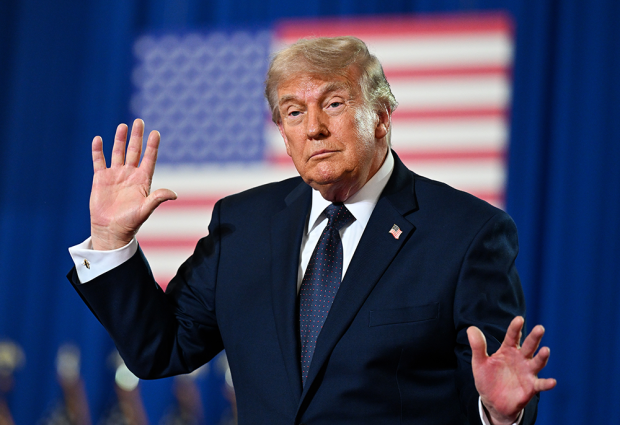
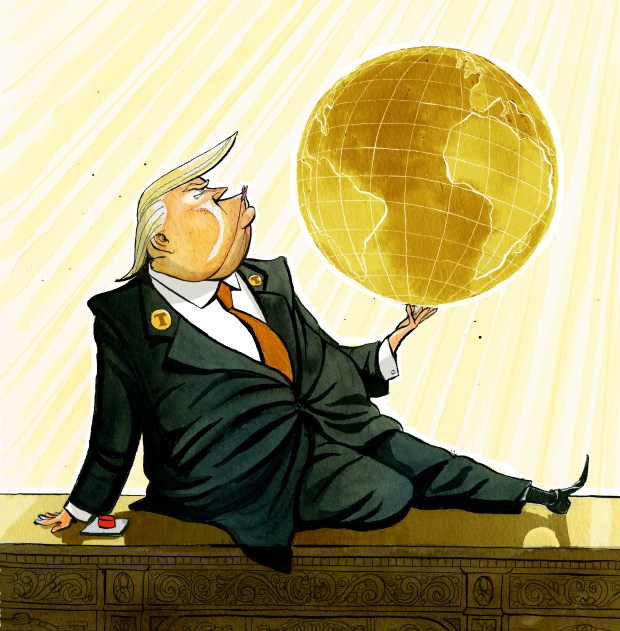
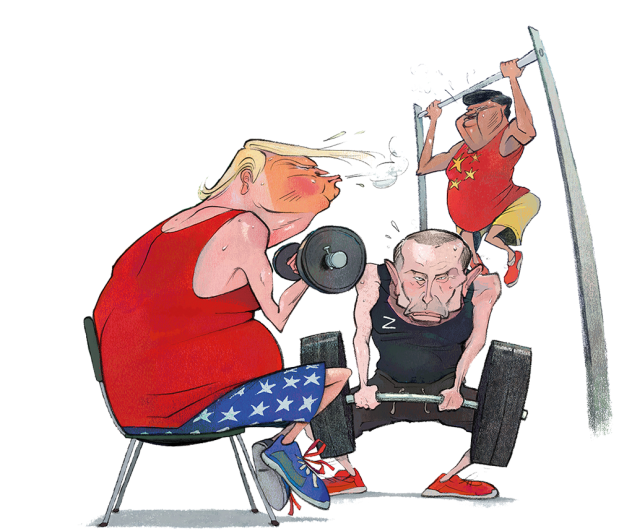
Donald Trump has made it clear that after Venezuela and Iran, Cuba is next on his list for decapitation. His administration wants a change of government and the economy opened up. Cuba’s 95-year-old ex-president Raul Castro has been indicted for murder, opening the way for an abduction like the one in Caracas in January. ‘I do believe I’ll be… having the honour of taking Cuba,’ Trump told reporters in March. ‘Whether I free it, take it – think I could do anything I want with it.’
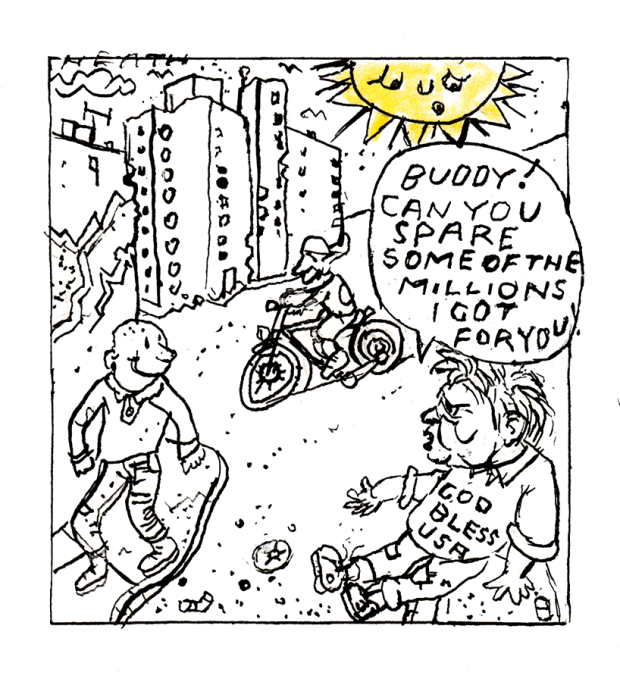
Cuban exiles – many of them friends – criticise my life here. ‘You’re privileged,’ they say. Which is fair – I’m currently annoyed that someone stole the wheel nuts from my BMW. For my neighbours on state salaries or pensions devastated by hyperinflation, life is brutal. Workplaces are closed, hospitals are cancelling ops, rubbish is piling up on the streets, and the state bodegas, where rations were once issued, are empty. The arrival of crime shouldn’t be a surprise, even if it’s still amateurish. I mean, why didn’t they steal the wheels?
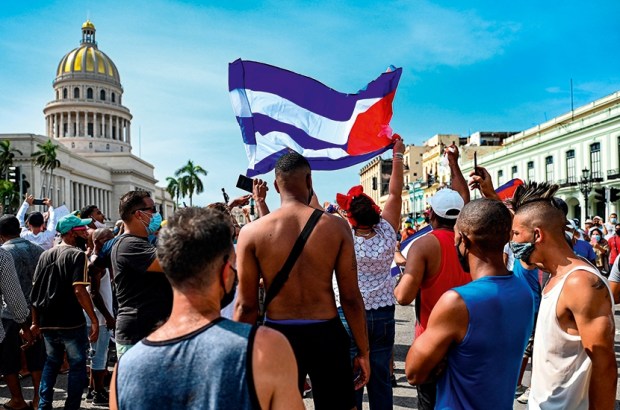
A little while back I flew to Santiago, Cuba’s second city, to hitchhike the 550 miles back. I wanted to get a sense of how people were coping – and to see if the journey was still possible with all the gas stations empty. I discovered that most Cubans – particularly among the 40 per cent with no access to money from abroad – blame their own government for this situation, for running the economy into the ground so that this proudly independent nation’s future looks set to be dictated by this most careless of US presidents.
John Ratcliffe, the CIA director, arrived in Havana two weeks ago on a fancy government jet to meet with senior Cuban government officials. He warned them of woeful consequences if they continued cosying up to China and Russia. The US broadcaster CBS reported he brought along the ‘operator’ responsible for killing 32 Cubans in the Venezuela operation. I wonder how that conversation went. ‘Hi, meet Bob, he killed your friends.’
Sometimes, I wonder about what’s going to be lost if the US succeeds. Eating pan con lechón (roast pork in a bun) at a roadside stall recently, I recalled a story my Cuban father-in-law told me. An Argentinian friend of his had stopped at a similar spot and liked the pork so much he asked to buy the whole roast to take back to his rental house. The appalled stall-holder refused, asking: ‘What will I do with the rest of my day?’
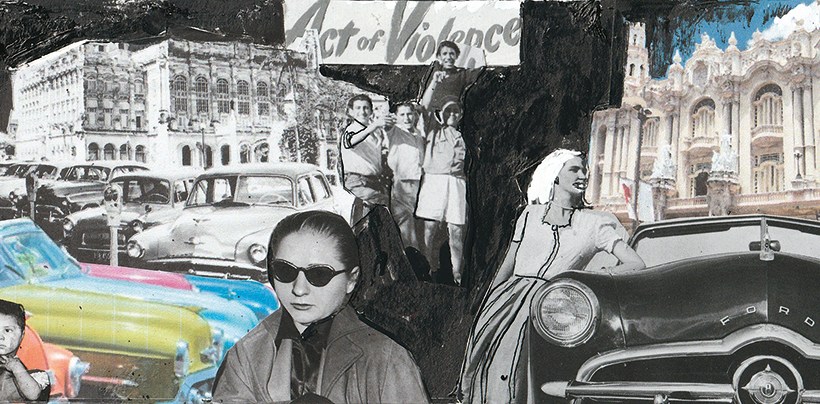
On my cross-island hitchhike I met a teacher who was trying to get home. A smattering of cars were passing, using black-market gas at $8 a litre. Instead of the traditional Ladas and 1950s Chevys, they were sparkling new Dodge Rams and Mercedes. She watched them, then said: ‘You see the bosses from here drive past in their nice cars and, because of the situation with fuel, they should stop, they should set an example, but they don’t.’
My BMW’s toast, and not just because of the wheel nuts, so I’m looking for a new car. I’m considering buying Chinese because Dongfeng has opened a showroom, its cars available instantly, unthinkable in almost seven decades. I could also import from the US – amazingly, you can still do this, even if you can’t then fill the car up – but that would take a couple of months. So my dilemma is: if the US invades, will Dongfeng’s after-sales service still work? Then I wonder: is this a first- or a third-world problem?
Work sometimes takes me off the island, most recently to Colombia. Travelling the backroads of the Magdalena Delta, I was struck by how similar life is to that in rural Cuba. The refrain of the government here is that we’re far better off than much of crime-plagued Latin America. But they’ve educated their people too well. Cubans don’t judge themselves against Colombians, they measure themselves against their families in Florida.
Almost every Cuban wants a change, but few want to be invaded. You have to live under the threat of a missile attack to understand how disconcerting it is. I have a sideline teaching journalism to people in conflict zones and as a result have several friends in Iran. Last week, a limited internet reopened there – the ‘filternet’ as one of them called it – and a slew of emails arrived. I clicked open one from my pal Ghamar. ‘I’ve been reading about Cuba,’ she wrote. ‘It sounds terrible. Are you OK?’
Got something to add? Join the discussion and comment below.
You might disagree with half of it, but you’ll enjoy reading all of it. Try your first month for free, then just $2 a week for the remainder of your first year.