Classic rock used to be an American radio genre made up of bluesy guitar bands from the past. It spawned Fathers’ Day compilation albums, a magazine and endless lists where ‘Stairway to Heaven’, ‘Bohemian Rhapsody’ and ‘Free Bird’ argued among themselves about which was the public’s favourite.
But that’s not classic rock any longer; that’s heritage rock, music by the dead or dying. When the radio format was invented, the bands it celebrated were largely extant, or only recently departed; the oldest of the musicians were not yet 40. Their music was both current and nostalgic because new groups were still nicking from them, and their songs weren’t yet period pieces.
‘Feed Me With Your Kiss’ and ‘You Made Me Realise’ made me wish I was 18 again
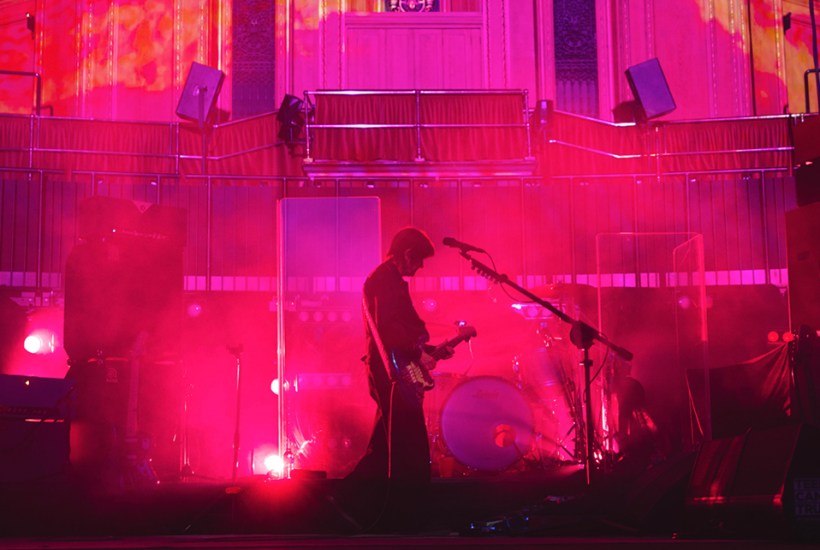
Today the term classic rock should be applied to the stuff that came after punk. To the stuff that’s on TV soundtracks, BBC 6 Music and clearly also on the car stereos of the parents of young bands – just as the Stones were forty-something years ago. One measurement of this shift could be witnessed at this year’s Teenage Cancer Trust shows at the Royal Albert Hall – for so long the domain of the Who’s Roger Daltrey – which are now curated by Robert Smith of the Cure and included My Bloody Valentine as one of the headliners.
MBV’s reputation rests on a slender body of work: a handful of EPs and two LPs released between 1988 and 1991. The output before that they largely disowned. Another album in 2013, in which they did much the same thing as before but with better technology, was decent but inessential, providing Kevin Shields with more ways to alter the sound of his guitar. MBV are also famous for being extraordinarily loud live (a show at a tiny club in Leeds in early 1988 left me genuinely terrified for my hearing for several days).
At the Royal Albert Hall, they were very loud, though perhaps not as painfully so as they are in less historic buildings. You needed earplugs but didn’t fear intestinal damage. What made the songs linger, though, wasn’t the noise, it was Shields’s woozy, wobbling guitar on ‘Only Tomorrow’, the ecstatic shimmer of ‘To Here Knows When’ and ‘Slow’. Meaning was less important than the all-encompassing experience of it. (Shields and Bilinda Butcher popularised that particularly blank and affectless style of indie singing that has the air of someone who’d probably never get out of bed if it wasn’t for the fact that, well, this heroin won’t smoke itself.)
The most exciting MBV songs come from the first album and two EPs of that brief late 1980s run. By the time they recorded their album Loveless, they had shed the wildness of those recordings where Shields’s guitar and Deb Googe’s bass were fighting it out against Colm O Ciosoig (who looked and drummed like a young Keith Moon). ‘Soon’ might be the band’s hit, but it was ‘Feed Me With Your Kiss’ and ‘You Made Me Realise’ that made me wish I was 18 again.
Bar Italia (both these bands are reluctant to use capitals, but I’m adopting standard English) are a young London band who are descendants of the 1980s and 1990s wave of what I am going to insist on calling classic rock from now on. I saw them three years ago and they were spindly and awkward, but at the Roundhouse they had become powerful and confident. It’s no surprise that they’re signed to Matador because they would have been at home on the label 30 years ago.
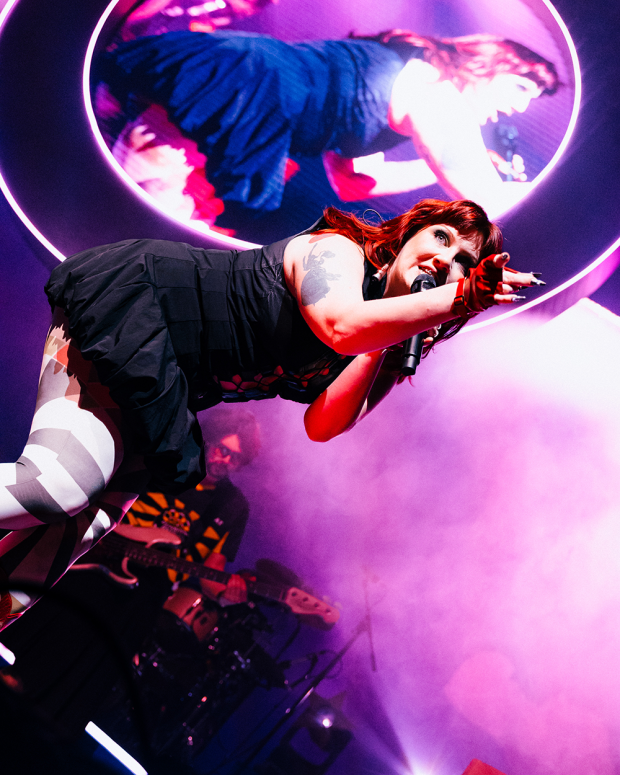
Their two singer-guitarists, Sam Fenton and Jezmi Tarik Fehmi, bashed out power-chords and threw shapes while between them Nina Cristante offered willowy dancing in a red dress. The three of them swapped lines, which worked because, while none of them was exactly Aretha Franklin, there was a pleasing contrast between their voices that emphasised the melodies.
In five years Bar Italia have delivered two more albums than MBV did in 38, so they now have the catalogue to sustain a long set in a big room. But it’s telling that the band playing songs from before Bar Italia were even born still sounded like the group from the future.
Got something to add? Join the discussion and comment below.
You might disagree with half of it, but you’ll enjoy reading all of it. Try your first month for free, then just $2 a week for the remainder of your first year.