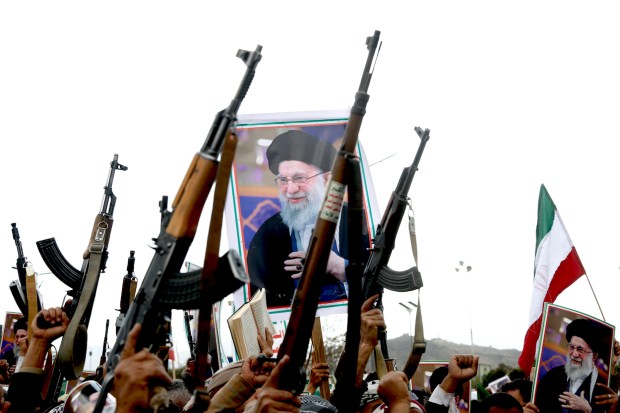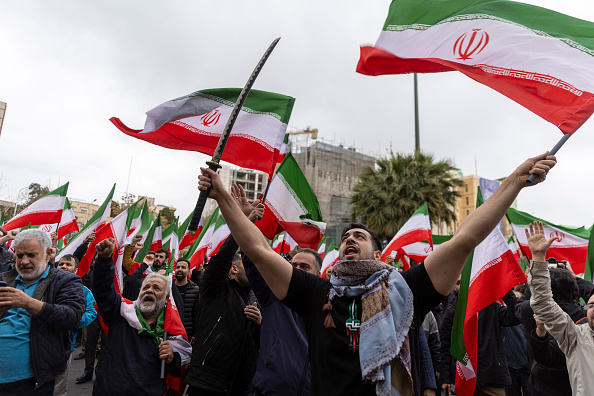
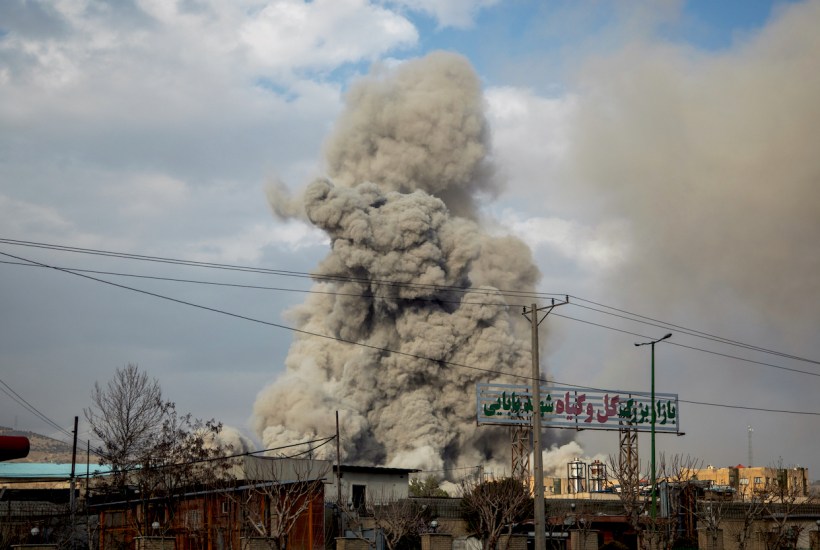
Israeli and American military operations against Iranian targets intensified over Thursday, while Iran and its proxy militias across the region sought ways to retaliate across a widening geographic arc.
The day began with reports of expanding hostilities around Iran’s borders. Early in the morning, Iranian positions in eastern parts of the country – including areas around Zahedan near the borders with Pakistan and Afghanistan – were reportedly struck, with air-defence systems activated in response. Opposition sources claimed the targets were military facilities in a region with a strong Sunni Baloch population that has long opposed the Iranian regime.
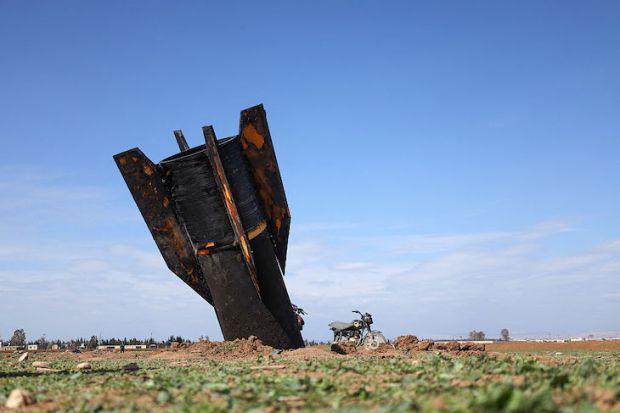
At roughly the same time, the conflict appeared to spill into the South Caucasus. An Iranian drone struck near the airport in Nakhchivan, an Azerbaijani exclave bordering Iran, according to reports circulating online. Azerbaijan, which maintains close security ties with Israel, was suddenly drawn into the war’s orbit as a direct target of Iranian fire.
Within Israel itself, air-raid alerts sounded across several regions, including the greater Tel Aviv area, after the detection of launches toward the country. Israeli aircraft simultaneously carried out strikes in southern Lebanon, signalling the continued expansion of the campaign against Iranian-backed forces there.
The Lebanese front became a focal point of the day’s developments. The Israeli military issued unprecedented evacuation orders for several large neighbourhoods in the Dahieh district of Beirut, widely regarded as Hezbollah’s stronghold, instructing residents to move immediately north or east. This was the largest civilian evacuation warning ever issued by the Israeli army. More than 420,000 Lebanese have evacuated from southern Lebanon so far, while tens of thousands more civilians have evacuated the Dahiyeh area in less than one day.
The warnings appeared to foreshadow a major escalation. Lebanese officials said the death toll from Israeli strikes since Monday had reached 102, with more than 600 wounded. Meanwhile, an Israeli officer and a soldier from the Givati Brigade were reported wounded during fighting in southern Lebanon later in the day.
The Lebanese government itself took a striking political step amid the crisis. Officials announced that any presence of Iran’s Islamic Revolutionary Guard Corps on Lebanese territory would be considered illegal, with members subject to arrest if discovered. The Lebanese president also reportedly asked France to intervene diplomatically in an attempt to prevent a major Israeli attack on Dahieh.
Reports in Iraq said the Iraqi army had dispatched counter-terrorism units to the Najaf desert following claims that American forces had landed in the area. According to unverified reports circulating locally, clashes between US and Iraqi forces had taken place there a day earlier, leaving one security officer dead and two others wounded. These accounts were not independently confirmed, but they underscored the volatility spreading across the region.
Another unverified report from Iraqi channels claimed that a US fighter jet had crashed in Basra province, with local authorities searching for the pilot after the aircraft went down. Iraqi police later acknowledged that personnel were searching for an American pilot who had parachuted into the region.
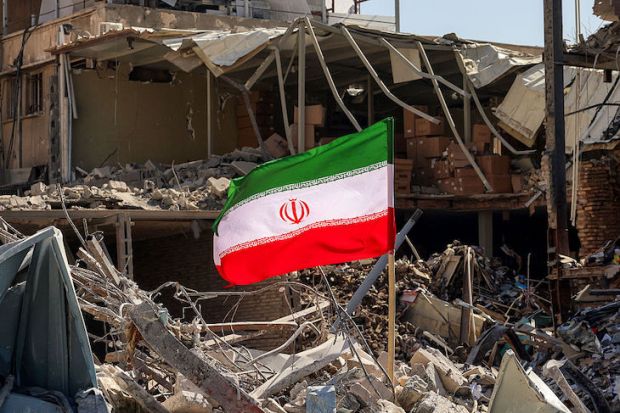
Meanwhile, the air campaign against Iran itself continued to gather momentum. American and Israeli aircraft were reported striking missile launchers, military airfields and other strategic facilities across the country. Footage released by US Central Command showed B-52 bombers taking off for operations against Iranian targets.
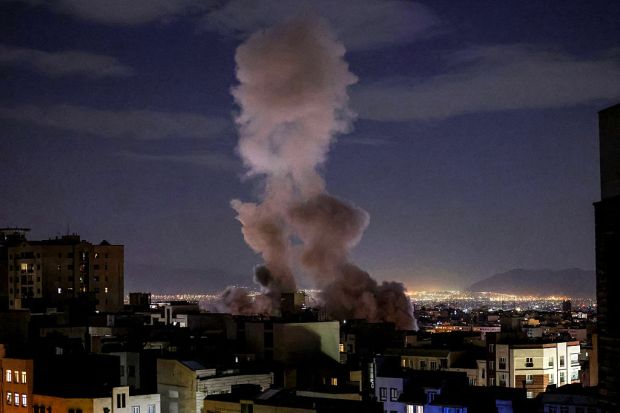
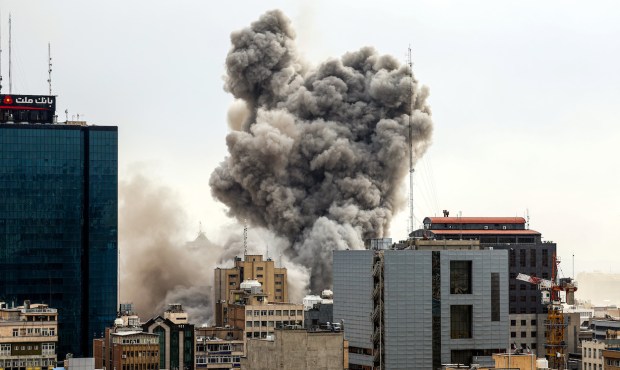
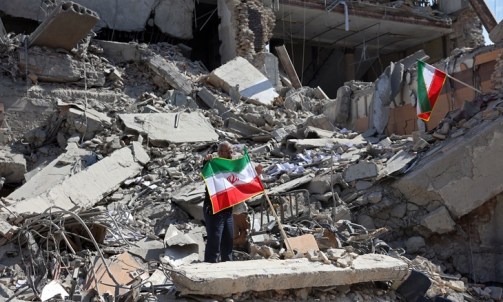
Reports from Tehran described repeated explosions and air strikes in the capital and surrounding areas. Israeli officials said the campaign had expanded beyond missile sites to include Iranian fighter jets on the ground. Although Iran spent decades building underground missile infrastructure, US and Israeli aircraft have still been able to strike launchers once they emerge from shelters after Iranian air-defence systems have been disabled.
The fighting has spread across multiple fronts
On the diplomatic front, Iran informed Washington that it was prepared to begin discussions on ending the conflict. At the same time, China announced it was sending a special envoy to the region and called for an immediate halt to military operations in order to safeguard global shipping routes and oil supplies.
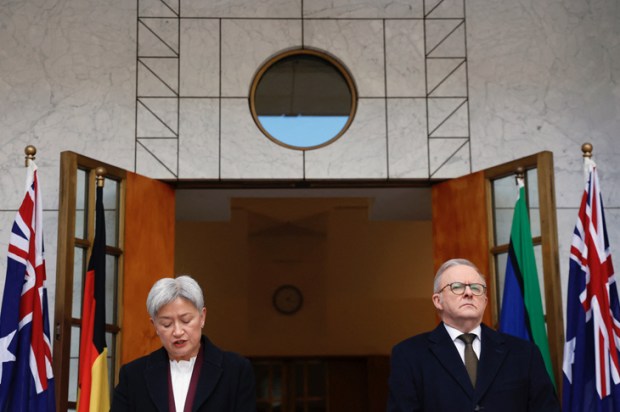
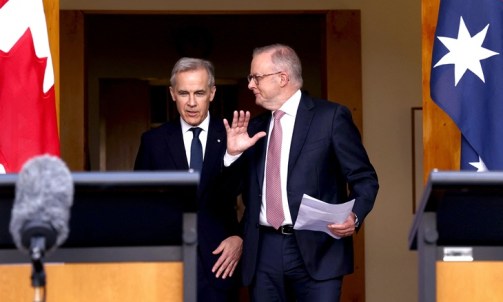
Yet the broader international picture suggested the crisis could still widen further. Australia announced it was deploying military units to the Middle East, while heavy US transport aircraft continued arriving in the region carrying additional equipment and personnel. Kremlin spokesman Dmitry Peskov said of the conflict: ‘This is not our war,’ warning that fighting in the Middle East would destabilise the entire region. Western leaders urged Iran to return to negotiations over its nuclear programme as the only viable path to a lasting settlement.
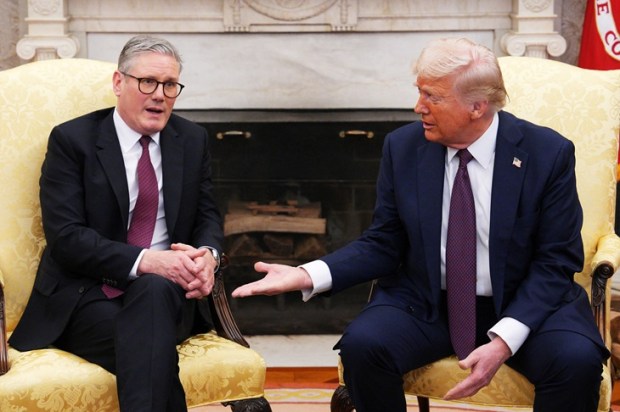
Facing continued criticism from the US and at home for the UK’s slow and relatively limited military response, British Prime Minister Keir Starmer continued to make vague, non-specific statements, insisting the best path forward would be ‘to reach an agreement through negotiations with Iran, in which it will give up its nuclear ambitions’.
By nightfall the picture remained one of a an evolving war showing no signs of ending soon. Strikes were reported at Iranian Revolutionary Guard facilities in Bushehr, while explosions were heard across parts of Tehran. Military transport aircraft and bombers continued moving into position across the region, suggesting preparations for sustained operations.
Within less than a week, the fighting has spread across multiple fronts, from Lebanon and Israel to Iran, Iraq and the Caucasus, drawing in new actors and pushing the Middle East to recalibrate alliances in what has become one of its most volatile moments in years.