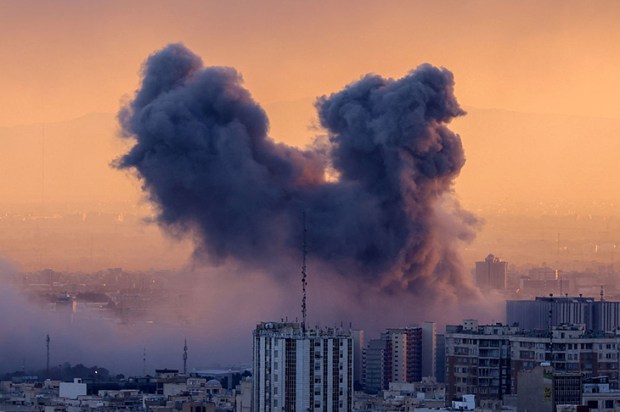
Into the early hours of this morning, Israel and Iran continued exchanging direct strikes, while the fighting spread further across Lebanon and the Gulf, and increasingly centred on energy infrastructure.
Iranian officials confirmed the death of Intelligence Minister Esmail Khatib
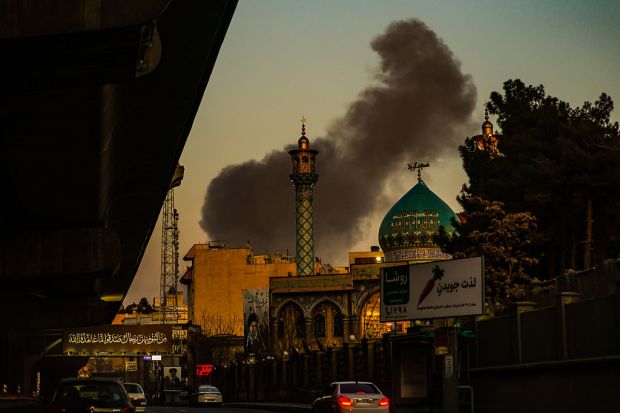
Israel widened its campaign inside Iran. Late last night, the Israeli military said it had struck targets in northern Iran for the first time in the current operation, after attacking more than 200 targets in western and central Iran over the previous 24 hours, including ballistic missile storage sites, launch systems, air defences and weapons production facilities. An Israeli strike on the Iranian port of Anzali on the Caspian Sea resulted in at least three vessels catching fire. Iranian reports suggest one ship had returned from Russia just 24 hours earlier, with suspicions that it was carrying drone-related Russian technologies.
The campaign continued to target the Iranian regime’s leadership. Iranian officials confirmed the death of Intelligence Minister Esmail Khatib, another major blow following the killings of Ali Larijani, the commander of the Basij and other regime-linked figures. A judge associated with the death sentence against the wrestler Navid Afkari was killed in an Israeli strike. Afkari was an Iranian wrestler executed in 2020 after being convicted of murdering a security guard during anti-government protests, in a case widely condemned internationally due to allegations that his confession was obtained under torture.
Hezbollah continued launching rockets into Israel
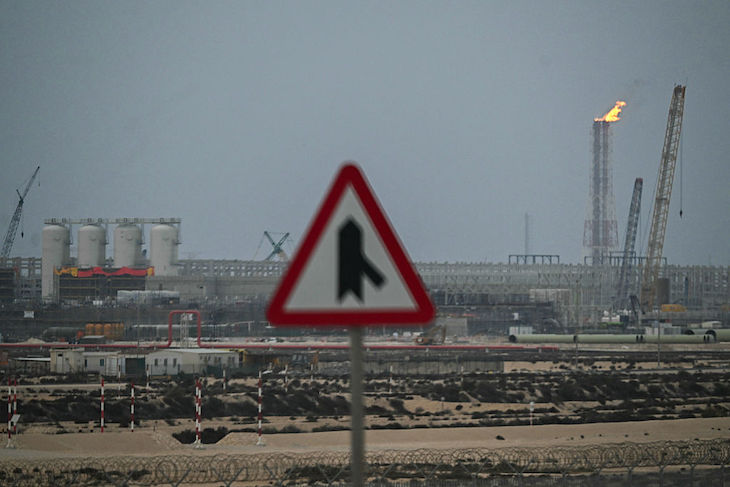
Energy sites are now central to the conflict. Israeli strikes hit gas facilities in Asaluyeh, part of the South Pars field, setting off fires. Hours later, Iran struck Qatar’s Ras Laffan industrial complex, one of the world’s main liquefied natural gas hubs. Qatari authorities reported extensive damage and fires, condemned the attack as a violation of sovereignty and warned that they reserved the right to respond. Qatar then expelled Iranian military and security attachés, giving them 24 hours to leave the country.
In Washington, Donald Trump said the United States had not been informed in advance of Israel’s strike on Iranian gas facilities, but warned that any further Iranian attack on Qatar’s LNG infrastructure would bring a massive American response against Iran’s South Pars gas field. There were US strikes in Iraq, including an attack in Baiji targeting the Iran-backed al-Hashd al-Shaabi militia, with casualties reported.
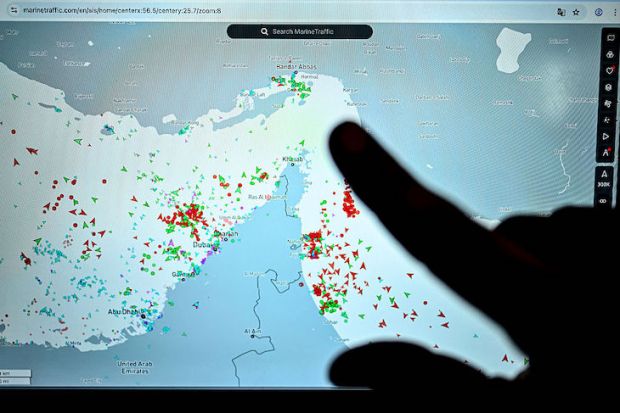
Iranian ballistic missiles targeted Riyadh, with Saudi defences intercepting several and debris falling near a refinery south of the city. Explosions were also reported in Bahrain, and a tanker was struck at Khor Fakkan in the United Arab Emirates. Saudi foreign minister Faisal bin Farhan responded with an unusually sharp warning, saying further Iranian attacks, especially on the energy sector, could trigger both diplomatic and military responses.
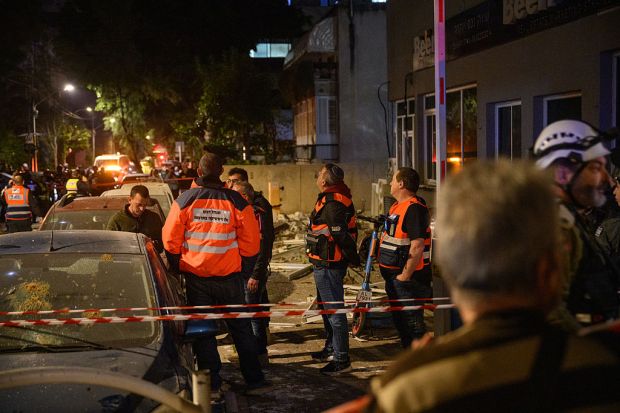
Iran also launched repeated missile barrages at Israel overnight. The Israeli military issued multiple alerts as missiles were detected and intercepted, with civilians repeatedly ordered into protected spaces. Cluster munitions were used over central Israel and a foreign worker was killed by shrapnel in Adanim, while debris impacts were reported near Nablus and in Netanya.
In the southern West Bank, an Iranian missile hit a hair salon in Beit Awwa, near Hebron, killing at least three Palestinian women and wounding five others; some reports put the death toll at four.
Lebanon remains a major theatre rather than a side front. Israeli ground forces continued operations in the south, while strikes destroyed bridges over the Litani River that Israel said were being used to move Hezbollah fighters and weapons. Lebanese authorities said 56 people were killed on Wednesday alone, bringing the total since the start of the current round of fighting to 968 dead and 2,432 wounded. Hezbollah continued launching rockets into Israel, including a long-range strike of roughly 125 miles fired from 150-90 miles inside Lebanon, signalling the use of longer-range systems and a shift away from purely border-based launches.
Reuters’ Chief National Security reporter has reported that the Trump administration is considering deploying thousands of additional troops to the Middle East as the military prepares options for the possible next phase of the Iran war. One option for securing the Strait of Hormuz includes deploying troops to Iranian shores.