Part of my job involves spending a few hours per week doomscrolling TikTok. It’s a cheat way to keep up with how young people are thinking, politically and culturally.
(Sadly, I no longer meet the definition of ‘young’.)
Somewhere between the (utterly non-PC) videos of tradies mocking the workmanship of Albanese’s imported construction force, AI-generated true crime (that never happened, seriously this stuff is wild), and endless fitness bro videos – something curious has emerged.
Meet the ‘maxxing’ trends.
‘Maxxing’ is the cool way of saying you’re trying to perfect a skill.
Happy hour-maxxing is a pub crawl optimised for discounted drinks.
Looksmaxxing is when (mostly young men) focus excessively on their personal grooming, fitness, and physique.
Hardmaxxing is where Looksmaxxing is enhanced with surgery, implants, drugs etc. Heightmaxxing is exactly what you think it is. And Jawmaxxing uses mewing to fix a man’s jawline. (Yes, these kids are speaking an almost entirely new language.)
As an aside, imagine how difficult it is for 50+ politicians to pitch their policies to these 20-somethings…
Gymmaxxing describes those bulked-up guys who limp around the city after leg day.
Then you’ve got the really strange ones: smellmaxxing (cologne coinsures), auramaxxing (getting the ‘vibe’ of your charisma and energy right), cosymaxxing (which is the tracksuit and gymwear lifestyle), and neckmaxxing (thickening the next with exercises).
As you can see, most of this is a cosmetic-based from a generational rebellion against the Millennial meh! style choices of their parents. All those shapeless, androgenous eras of fashion have slowly created a vanity-obsessed uprising of people who want to look good and, to be honest, this is a positive thing. Society’s personal standards have slipped a little too far in the last decade.
What’s the harm in kids taking an interest in maxxing what our generation has let slide?
That said, I’m far more interested in some of the newest maxxing trends that seem to focus on correcting the impacts of social media. They come from a position of personal responsibility instead of crying to the Big State and begging the eSafety Commissioner to parent the nation’s children at huge expense to the taxpayer.
Frictionmaxxing involves kids deliberately adding ‘friction’ to their convenient lifestyle to build resilience and deter bad habits. This might mean paying in cash instead of mindlessly tapping a credit card or shopping online as a way to force budget training and spending awareness. Others choose to walk or use public transport even though they could easily drive. There’s a group that deleted their delivery apps so they have to … shock horror … walk to pick up their takeaway food. One day they might even cook it from scratch. And sometimes they ban themselves from txt messaging to encourage phone conversations. We might laugh at the description, but I can’t find fault with the premise.
My favourite so far is Nothingmaxxing.
You’ll know if you come across someone engaging in this trend.
They will be sitting on their own. In the middle of the park. Staring blankly into a non-descript point in the distance. And they’ll stay in that zombie state for at least an hour.
It is a deliberate decision to remove themselves from the modern world’s intense over-stimulation and give the brain room to just exist.
In other words, they have re-invented meditation.
Most say they are using it to correct their frighteningly short attention spans caused by excessive use of social media. Many young people complain that they can’t focus long enough to read a news article, let alone a book or even to watch a movie. Some cannot wait for song to play through to the end. They are the ‘sample and skip’ generation who focus for 1-10 seconds on an activity before moving on. This is damaging their future employment prospects.
Taking an hour free of their phone, podcasts, music, and friends is claimed to ‘reset the brain’ and help lengthen attention spans. This is probably true, given the brain responds quickly to new performance demands.
Previously, advice for fixing short attention spans has been to spend time reading. This seems to be the necessary first step before opening a book.
There’s a temptation to shrug at their predicament, but perhaps we can learn something from nothingmaxxing. After all, how many of you flick through your phone while watching a movie, or check your emails when you’re supposed to be enjoying a meal with your family? What we once congratulated as multitasking has morphed into endless distraction.
The nothingmaxxing trend is so popular it has entire YouTube groups who post videos of themselves doing nothing (we find that weird, but the oversharing generation bond by posting their lives on the internet). Things are escalating, with content creators competing over how long they can sit and do nothing.
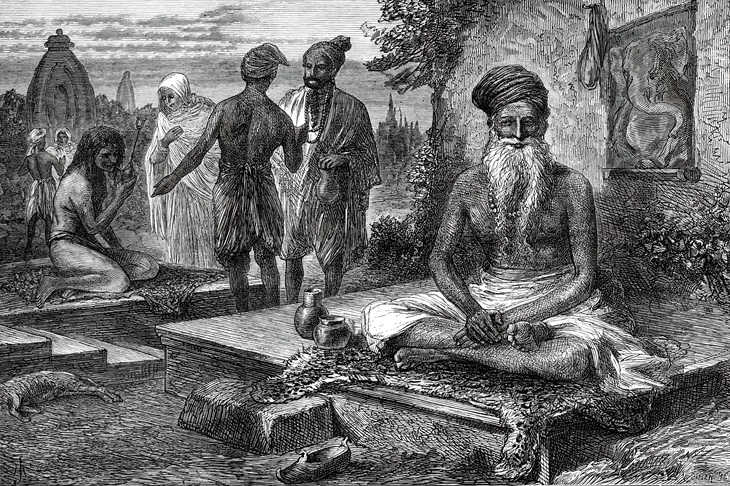
They’re a long way from the 75-hour meditation of Buddhist monk who achieved what was described as a near super-human state.
Meditation has been around since we started keeping records of human civilisation and appears to be widespread throughout the world. Not every culture called it mediation, but certainly everyone had their own version of peace.
When life gets intense, humans need to give their brains a break. It is probably an evolutionary instinct.
While Gen Z are not chasing divine enlightenment or a spiritual awakening, they are engaging in counter-culture behaviour and course-correcting from the nasty side-effects of the digital age.
We should congratulate them.