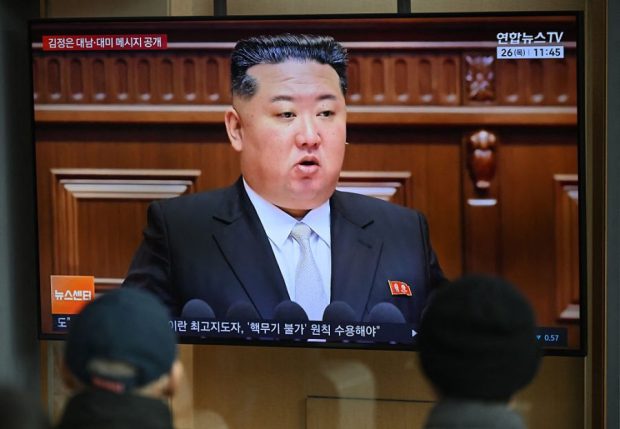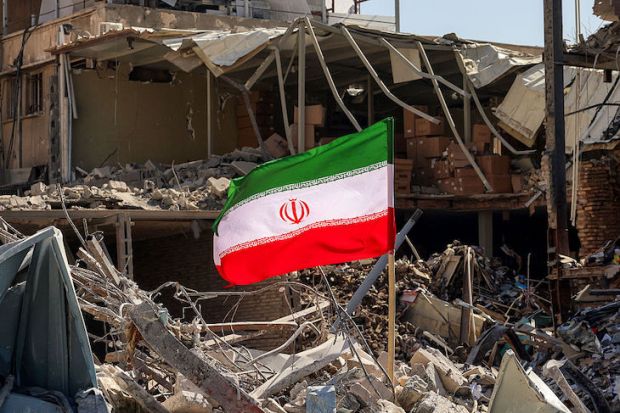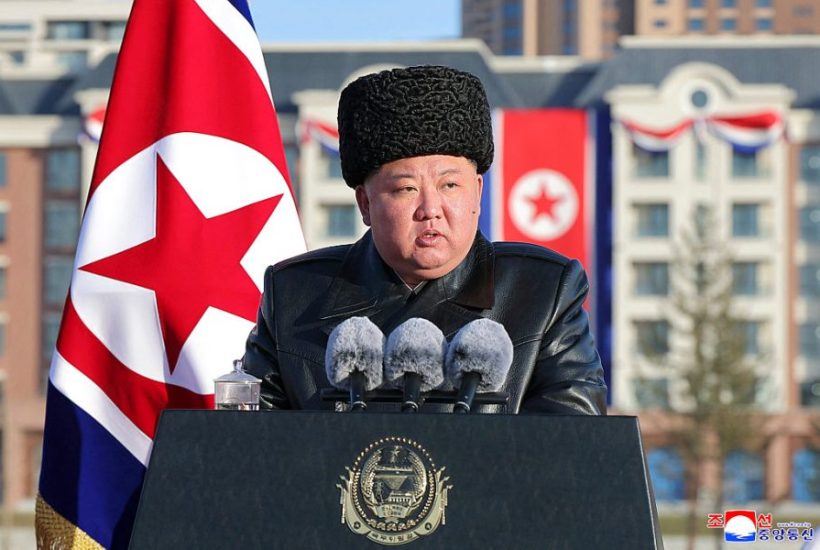
If there’s one thing that the ongoing Iran-US conflict is teaching North Korea, it is that nuclear weapons are an invaluable asset in the hermit kingdom’s toolbox. Nearly twenty years ago, Pyongyang conducted its first and far-from-successful nuclear test. Its capabilities have increased substantially since that moment and the overthrow of Saddam Hussein in 2003, that of Libya’s Gaddafi in 2011, and now, Iran’s Ayatollah Ali Khamenei has shown Pyongyang that acquiring what the Kim regime has long-called its ‘treasured sword’ has been its most successful foreign policy decision to date. It is no surprise that only yesterday, Kim Jong-un oversaw cruise missile tests from a naval destroyer and pledged to increase the country’s arsenal of destroyers to twelve in the next five years.
It only took a day for the North Korean foreign ministry to respond to Khamenei’s ousting last Saturday. Predictably, Pyongyang repeated its decades-old rhetoric, criticising the actions of Israel and the United States as ‘an illegal act of aggression’, a ‘shameless rogue act’ and an ‘abuse’ of ‘military muscle…to realise their selfish and hegemonic ambition’.
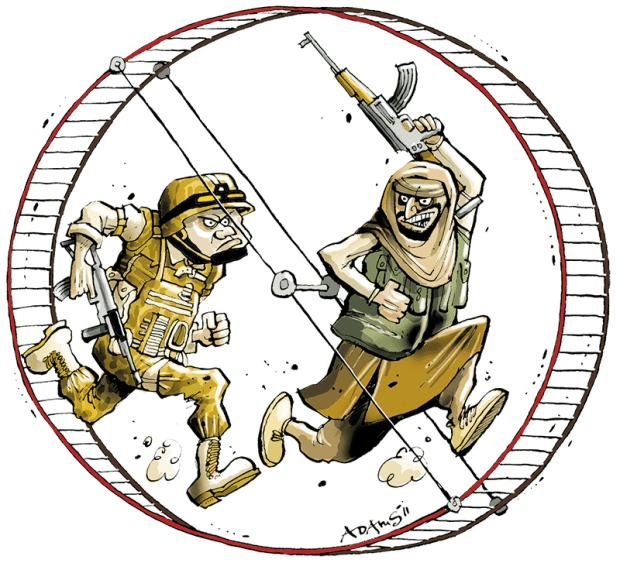
The quartet of North Korea, China, Russia, and Iran is anything but a formalised alliance
These words were hardly surprising. After all, following the US’s strikes on three Iranian nuclear facilities – in Isfahan, Fordow, and Natanz – last june, Pyongyang similarly accused Washington of having violated the UN Charter and ‘violently trampled down the territorial integrity and security interests of a sovereign state’. A comparable response was witnessed following US strikes on Venezuela and the resultant removal of Victor Maduro earlier this year. The actions, Pyongyang stressed last week:
Confirms once again the rogue and brutal nature of the US which the international community has so frequently witnessed for a long time.
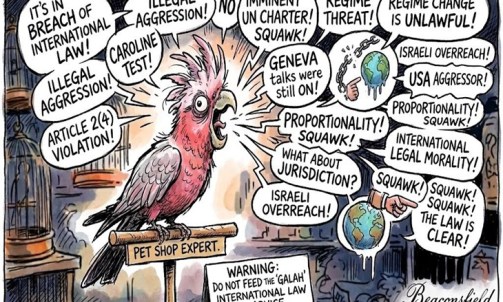
For one of the world’s worst, most egregious violators of nuclear non-proliferation and human rights norms, North Korea’s invocations of so-called ‘international law’ – for whatever they are worth – are obviously perverse. But such rhetoric is a common tactic on the part of authoritarian regimes to elevate their moral standing by claiming the high ground. One needs look no further than neighbouring China to see such actions in practice. When Chinese foreign minister, the acerbic Wang Yi, called his Russian counterpart, Sergey Lavrov, in the wake of Khomeini’s removal, both sides predictably criticised Washington’s and Jerusalem’s actions.
In addition to deeming the attacks against Iran, including the ‘flagrant killing [of] the leader of a sovereign state and inciting regime change’, to be ‘unacceptable’, Wang stressed how China ‘has consistently advocated for adhering to the purposes and principles of the UN Charter’. While it is easy to dismiss these words as bluster, one need not read too hard between the lines to ascertain Beijing’s intentions.
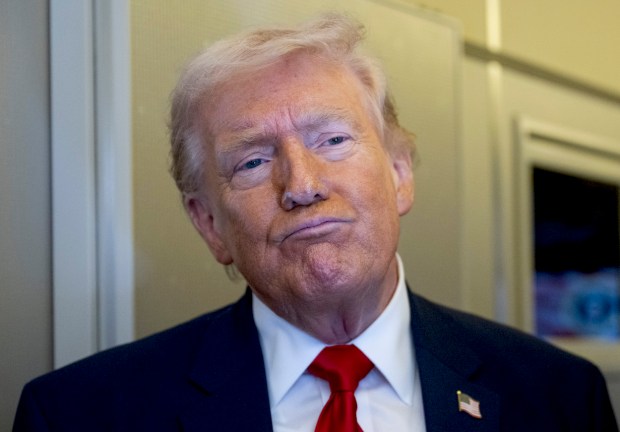
With Donald Trump due to make a state visit to Beijing in April and meet Xi Jinping, China can seek to portray this dialogue as being between its virtuous self and the morally bankrupt United States. Beijing’s longstanding investment in drones means that the possible deployment of drone and air-defence systems to Tehran is not beyond consideration, even if China decides to side with Iran purely rhetorically for now.
It was not just North Korea’s response to the strikes on Iran that bore similarities to its reaction to the US’s previous attacks on Iran’s nuclear facilities. We must not forget that as the subsequent Iran-Israel war ensued last year, China and Russia’s failure to assist their Iranian comrade was noticeable. Back then, Russia had ruled out any assistance to Tehran on account of the sheer number of Russian-speaking people in Israel. Only six months earlier, last January, Russia and Iran had signed a comprehensive strategic partnership treaty, specifically pledging to strengthen military, political, and economic cooperation in response to US sanctions.
Whether in Syria during the fall of the Assad regime in December 2024, the fall of Venezuela’s Maduro in January or this week’s downfall of Khameini, Russia’s reticence to provide active material support to its so-called friends, as of yet, is notable. A friend in need may not necessarily be a friend indeed, but Moscow’s lack of condemnation for Tehran’s actions makes clear whose side it is not on.
Iran has been a notable partner of North Korea since 1979, and remains a key customer for North Korean weapons, whether rocket launchers or surface-to-air missiles. Relations have been largely transactional, such as during the Gulf war from 1990 and 1991, when Tehran procured artillery, ammunition, and missile systems. Only a couple of years earlier, during the Iran-Iraq war, North Korea had served as a key supplier of arms in exchange for oil and foreign exchange.
Time will tell as to whether Pyongyang will come to Tehran’s aid this time round. As Iranian stockpiles face depletion, Kim will have to decide whether to assist his Middle Eastern comrade.
The quartet of North Korea, China, Russia, and Iran is anything but a formalised alliance. This, however, is not going to stop these countries from cooperating, whether bilaterally or multilaterally, so long as doing so remains in their interests and allows them to oppose the US and its allies. With the North Korean foreign ministry urging ‘relevant and interested parties in the region’ to ‘switch the trend in the situation of the Middle East back to peace and stability’, we can say with greater certainty that neither the US nor its allies is, in Pyongyang’s mind, an interested party. For now, the war continues.