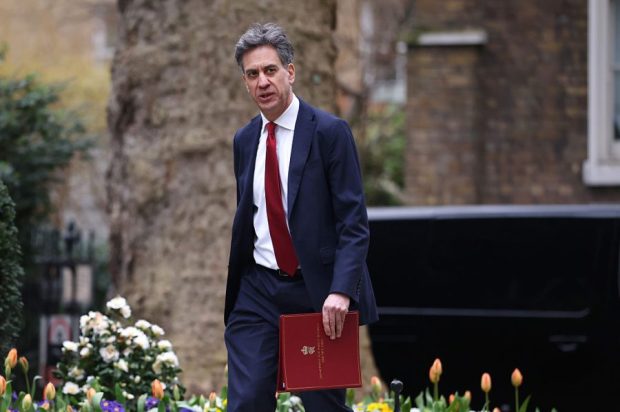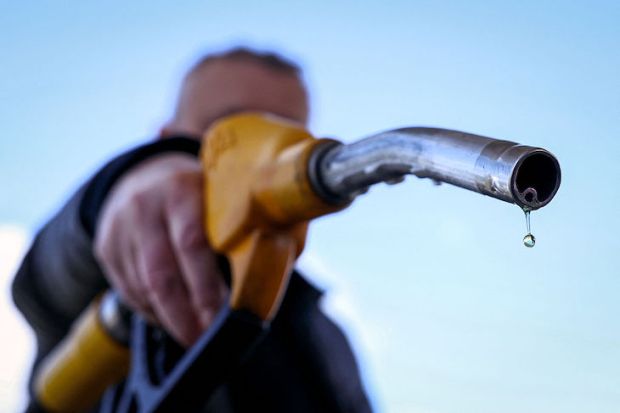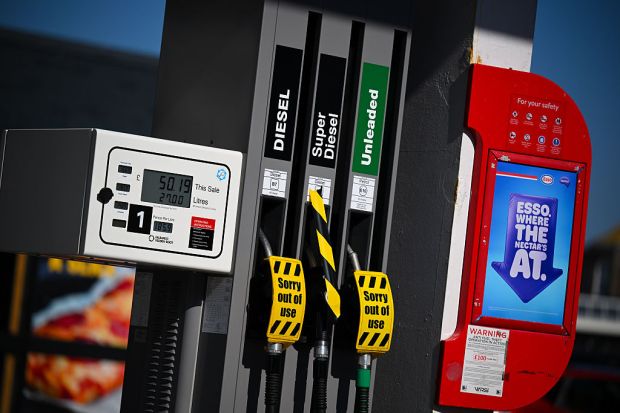
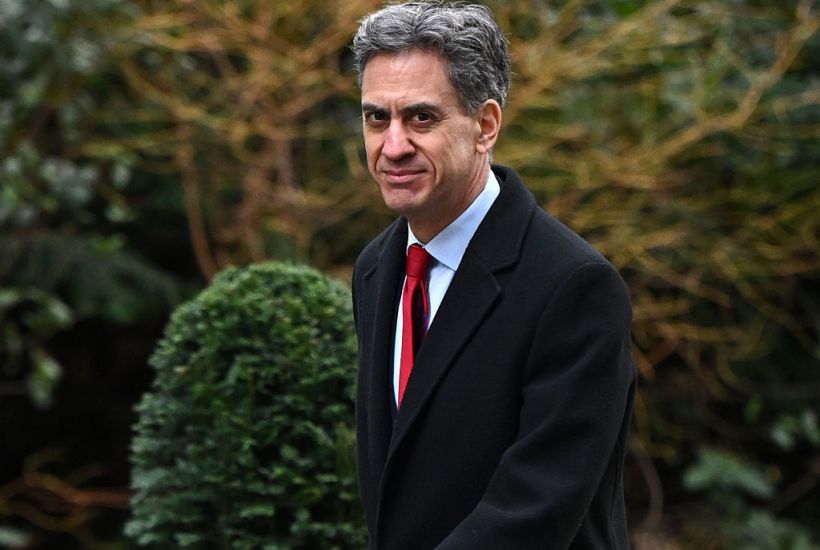
According to Ed Miliband and Bridget Phillipson, motorists are paying more than they need to at the pumps because of ‘price gouging’ by petrol retailers. No mention there about tax gouging.
How much more revenue could the government raise if Miliband rescinded his ban on new drilling for oil and gas in the North Sea?
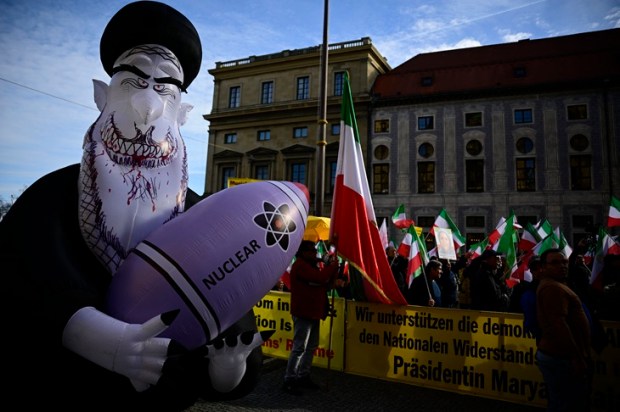
As if we weren’t paying enough in tax at the pumps already – half of the cost of a litre of petrol – the Treasury is drawing in an extra £20 million a day since the Iran crisis, thanks to VAT on fuel and extra taxes on profits of oil companies, according to consultants Stifel. While fuel duty itself is fixed, VAT is proportional to price. The government stands to raise even more revenue from the autumn when the long fuel duty freeze introduced by the Cameron government finally comes to an end. A total rise of 5 pence per litre is planned over the next year.
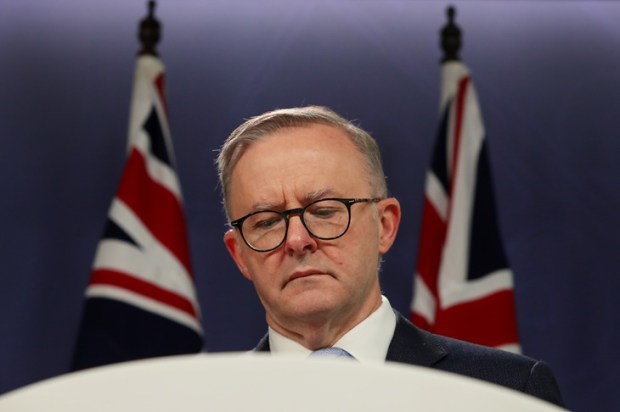
The government’s position on fuel duty stands in stark contrast to that of the Australian government, which yesterday announced that fuel duty will be halved for the next three months in order to help motorists with the cost of living. The UK government instead sees the crisis as an opportunity to prop up its delicate finances. That is likely to be a forlorn hope, however, as UK households rein in their spending and we end up with reduced economic activity – countering extra revenue from motorists. Moreover, the Iran crisis is pushing up the cost of government borrowing. UK public finances are especially exposed to the crisis because an unusually large proportion of government debt – around a quarter – is made up of index-linked bonds, the interest rate on which will rise as the oil crunch pushes up inflation.
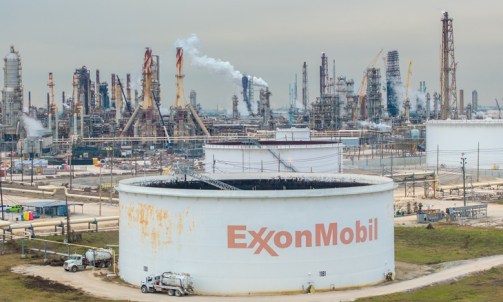
But how much more revenue could the government raise if it did what increasing numbers of people and organisations, including RenewableUK, are imploring Miliband to do: rescind his ban on new drilling for oil and gas in the North Sea? North Sea tax revenues have varied enormously over past decades thanks to fluctuating output of oil and gas as well as changes to the tax regime. In the 2000s, revenues were in the range of £8 to £10 billion a year. That then fell away to virtually nothing in the mid-2010s as output fell and the tax regime became more favourable. Come the Ukraine crisis, however, and revenues spiked – thanks in part to increased profits and in part to the energy profits levy, or windfall tax, which together with corporation tax hammers oil companies with an effective, Denis Healey-esque 78 per cent tax rate on profits.
In 2022-23 the government drew in £9.9 billion in North Sea tax revenues. Even with the windfall tax still in place the tax take has fallen dramatically – thanks to lower profits and less production. Last November, the OBR forecast that North Sea revenues for the current tax year, 2025-26, will come in at £2.7 billion. Next year it expected them to fall to £2.4 billion (although that will be revised upwards thanks to higher oil prices and profits).
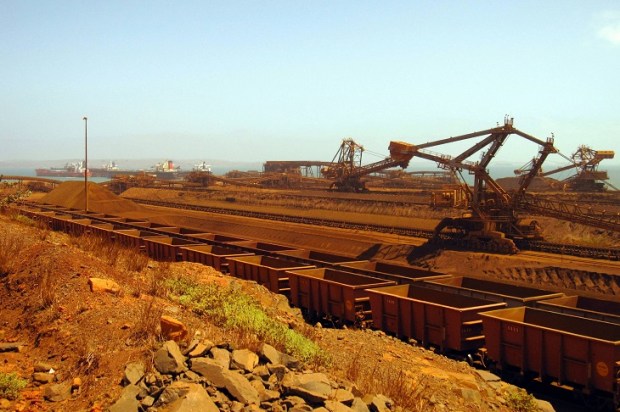
It is evident, though, that North Sea tax revenues could be several billion higher if production could be restored to the levels of just a few years ago. In 2020, the UK North Sea produced a total of 570 terawatt-hours worth of oil and gas. By 2024 it was down to 354 terawatt-hours worth. This is not down to exhaustion of reserves but to a decline in the development of new fields where oil and gas is known to exist. There would also, naturally, be tax revenues available from fracking of onshore shale gas reserves – had the practice not been ended under a moratorium imposed by the Conservatives before being banned outright by Ed Miliband. All is not lost on this front: Cuadrilla Resources, which has undertaken extensive exploratory work in Lancashire, said at the weekend that it could be producing gas from fracking within three months were the ban to be reversed.
The government could be profiting from the Iran crisis and without hammering motorists. But it chooses not to. That needs to be understood more widely.