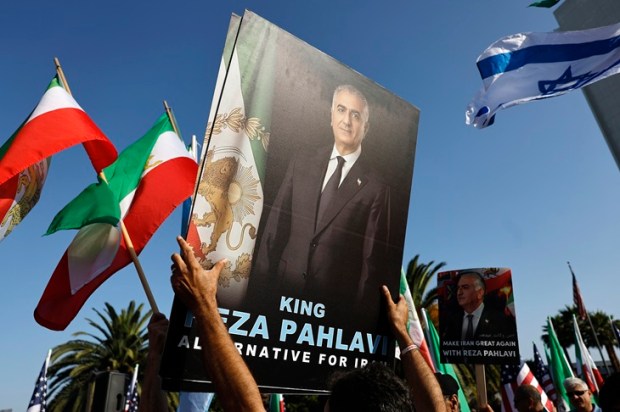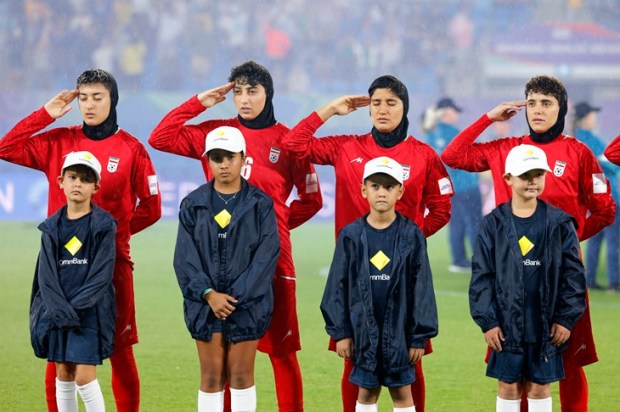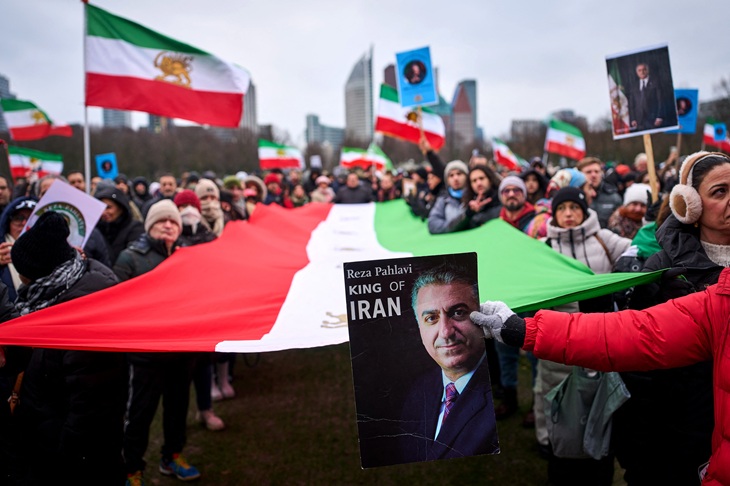
The people of Iran have done everything in their power to liberate their country. Yet the harsh reality is that those who are unarmed and defenceless are effectively handed over to a well-armed machinery of repression. In just the past two weeks, over 50,000 Iranians have lost their lives a number that did not result from a conventional military conflict, but from the systematic suppression of a defenceless population.
Alongside this widespread massacre, the number of detainees has reached an uncountable level. Numerous reports indicate that many of these individuals are executed without any formal registration, trial, or notification to their families. Their bodies are then secretly transferred to morgues under the labels of ‘victims of recent events’ to erase the traces of these crimes. This is not merely an allegation; it is a recurring pattern of behaviour that has been enforced by the Islamic Republic for years.
What makes this tragedy even more painful is the silence of the international community. The world, which claims to uphold human rights, has remained a passive witness to one of the most significant contemporary crimes against a nation.
This silence effectively allows a violent regime to continue its killings and destruction with impunity.
In such circumstances, the responsibility of global leaders cannot be defined solely within the framework of national interests. When statements, positions, and promises of support for oppressed people are made, these words directly affect human lives. Those who hear such messages gain hope, take to the streets, and pay the ultimate price with their lives.
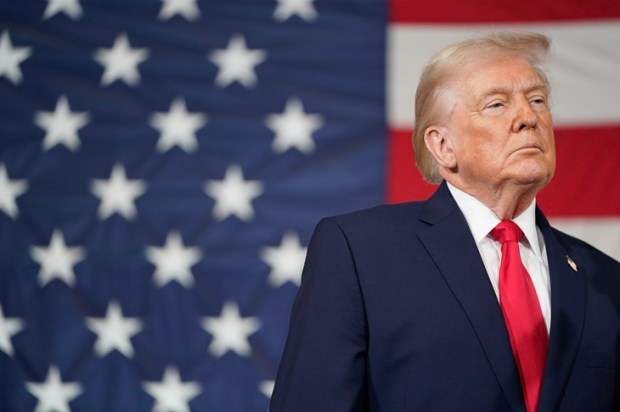
The people of Iran are waiting for help from the international community, and President Trump promised them support.
If President Trump fails to honour his promise, the consequences will extend far beyond Iran’s borders. Such a retreat would severely damage the credibility of the United States as a global actor whose words can be trusted.
Future freedom movements whether in Iran or elsewhere will remember that even explicit encouragement from Washington may amount to nothing more than rhetoric, leaving those who act on it defenceless and exposed to destruction. Authoritarian regimes will draw the opposite lesson: that mass repression, when met with silence or strategic hesitation, carries little cost.
For Iranians, a broken promise would not merely represent a diplomatic disappointment; it would confirm the abandonment of their sacrifices. Such a failure would embolden the regime to intensify executions, torture, and collective punishment. History will record that in that decisive moment when human lives were directly tied to President Trump’s words those words were withdrawn, and countless innocent lives were lost.
In that case, President Trump would be judged not only on policy outcomes but also on his moral responsibility. Encouraging an unarmed population to stand against a heavily armed state, only to step back when the price is paid in blood, marks a decisive failure of leadership. Such a legacy will neither be forgotten by Iranians nor easily erased from the pages of history.
Today, Iran faces a choice: either continue as a vast and isolated prison for its citizens or, with genuine and practical support from the international community, follow a different path. History will clearly record who stood with the people and who, knowingly or out of convenience, turned a blind eye to the massacre.
The slaughter of innocent Iranians by the Islamic Republic is not merely a political crisis; it is a human catastrophe. In the face of such a human disaster, silence does not mean neutrality it signifies complicity.
By Leila Naseri: Author | Composer | Social Cultural Activist