Today, in a stark contrast to ‘expert’ predictions six months ago, the Reserve Bank of Australia has raised the cash rate by 25 basis points to 3.85 per cent, marking the start of a fresh hiking cycle.
It’s a sucker punch to those who fell for Labor’s election campaign carrot 5 per cent Deposit Scheme.
The Scheme promised to help first-time buyers by allowing them to enter the market with as little as 5 per cent of the value of the property (or just 2 per cent for single parents).
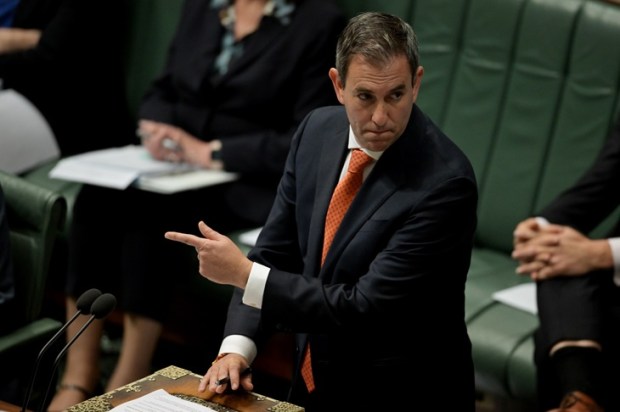
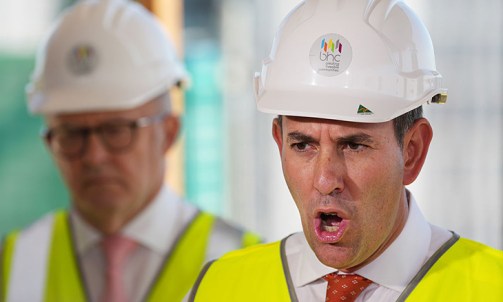
Many first home buyers dove in, with the naïve assumption that meant rates cuts were on the way, encouraged by the Treasurer’s gloating that he was winning the war on inflation.
But a cohort of aspirational Australians are about to discover they’ve been sold a lemon.
Imagine undertaking $1.5 million of debt (Sydney’s price cap) under the impression that interest rates would fall, only to be sucker punched with a rate rise.
The Labor policy also waived Lenders Mortgage Insurance, a key safeguard against risky lending.
This is economic recklessness.
Smaller deposits mean larger loans, higher repayments, and longer times spent trapped in debt.
But even before today’s rate-and-switch, it was clear the scheme had failed.
The Treasurer assured us that Labor’s latest demand side stimulus measure would only mildly impact house prices by no more than 0.5 per cent over six years.
However, in its first three months of the policy taking effect, prices surged 3.6 per cent and the ‘benefit’ for the buyer was eviscerated by the market before the ink on the contract was dry.
Thanks to Labor’s unrestrained spending, we’re now staring down the barrel of another rate hiking cycle. History shows the RBA rarely stops at just one hike.
The most recent inflation release from the Australian Bureau of Statistics shows it accelerating rapidly, from 1.9 per cent in June 2025 to 3.8 per cent by December, fuelled by structural accelerations in construction, services, and electricity (up a staggering 21 per cent in a year).
Australia’s resurgence of inflation is unique among other advanced economies.
Federal government spending (excluding one-off Covid stimulus) is at its highest in 40 years, with the NDIS cannibalising the productive economy.
It’s worth pointing out that CPI doesn’t even include mortgage servicing costs or property prices themselves – so the squeeze feels far worse than the official numbers suggest.
With such small deposits, the relative stress from a small increase in rates is considerable.
For example, under the scheme, you could secure a $1.5 Sydney property with just $75,000 of your own cash.
On a 30-year loan at previous cash rate settings, monthly repayments clock in at roughly $8,316.
Over the life of the loan, the total interest paid would exceed the home’s original $1.5 million value. It is a perverse ‘buy-two, get-one-free’ promotion where the bank gets the free house.
But if we see three hikes this year, not out of the question as structural inflation returns, borrowers on variable-rate mortgages would need to find an extra $8,000 annually.
Recent research warns that just two hikes could push the number of ‘at-risk’ mortgage holders into the millions, teetering on the edge of stress.
Australian households already have world-leading levels of household debt and by guaranteeing the difference between the former 20 per cent minimum deposit, taxpayers are on the hook to pay billions in insurance payouts to the big banks should the market fall.
Conveniently, the government doesn’t keep track of how many exit the scheme needing to refinance.
Meanwhile, job hunting is getting tougher, and private-sector wages are growing at their slowest pace in three years.
In the best-case scenario, people will carry these loans to their graves after a lifetime of servitude to the banks.
In the worst case, a rise in unemployment, cooling in house prices, or slowing of immigration-fuelled economic growth, and things could unravel.
But of course, that’s never happened before, has it?