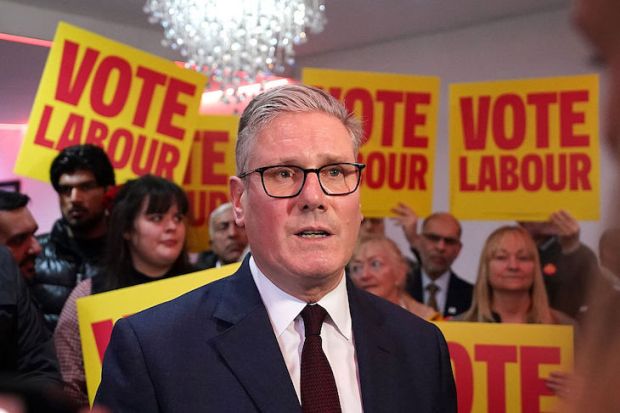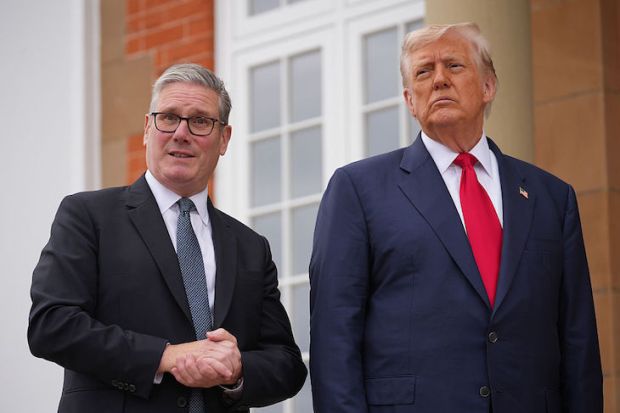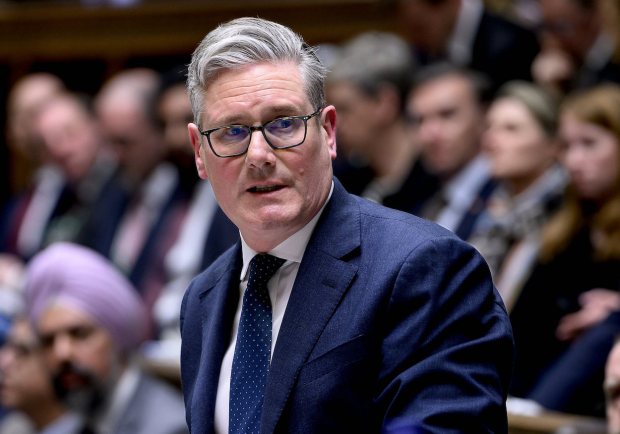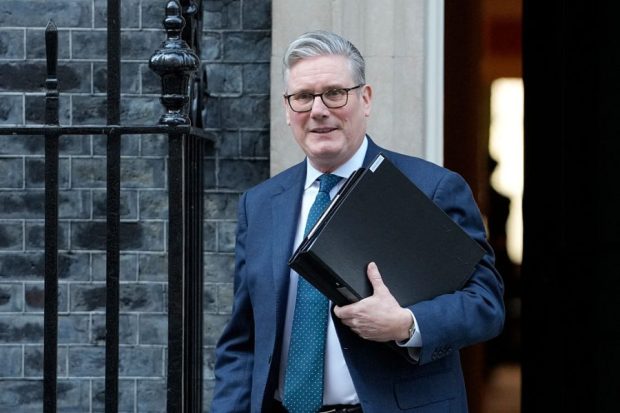
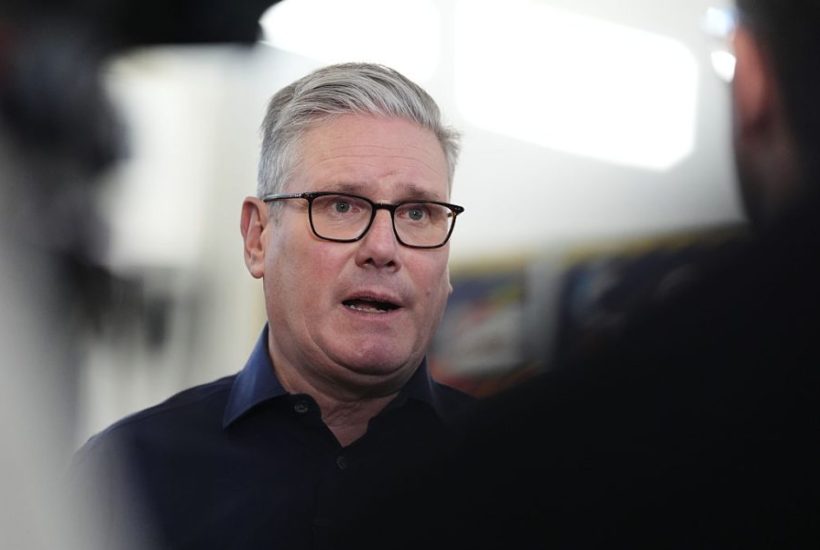
As Keir Starmer found out with digital ID, what the public initially says it wants isn’t always what it turns out to want once the details become clear. A large majority in favour of digital ID turned into a significant majority against once people started to ask themselves: is this scheme really going to tackle illegal migration or is it just going to be another bureaucratic burden on our lives?
Might the same turn out to be true with Starmer’s ‘reset’ of relations between Britain and the EU? Notionally, there is strong support for the idea. A YouGov poll at the time of Starmer’s reset negotiations last May for example, found that 66 per cent of the population were in favour. The same poll found that 53 per cent agreed with going the whole hog and rejoining the EU. But many people are perhaps not yet aware of what it would mean in practice to harmonise regulations with the EU – as Starmer is proposing.
It should come as no surprise if the EU takes advantage of this situation rather aggressively
Over the next few weeks it will certainly become a lot more clear. The government is reported to be preparing a bill effectively to transfer sovereignty to the EU in all kinds of areas, so that Britain would be compelled to follow the bloc’s standards on food, farming, industrial goods and so on.
It makes a lot of sense for Britain and the EU to share many of the same standards, given the amount of trade between the two. If you are growing or manufacturing goods for the UK and EU markets you want to work to the same set of rules. That is one of the reasons why Britain has, following Brexit, voluntarily chosen to subscribe to EU standards in many cases.
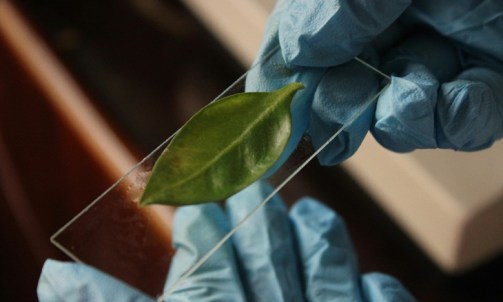
But there is a very big difference between voluntarily following other countries’ standards and being obliged to follow them. At present Britain can, for example, pursue its own rules on gene-editing of crops, which could prevent EU regulators doing to this emerging industry what they did to genetically-modified (GM) crops a quarter of a century ago, when Britain was forced to surrender a head start it had made.
But under Starmer’s reset deal, things promise to be far worse than they were during Britain’s EU membership. At least then Britain had a seat around the table when it came to determining the rules. Under Starmer’s reset deal this will not be the case. Britain is not going to agree rules with the EU; it is going to have to agree to follow them whether it is likes it or not. It will take Britain close to the ‘vassal state’ which Brexit negotiations by the Theresa May and Boris Johnson governments tried so hard to avoid.
It should come as no surprise if the EU chooses to take advantage of this situation rather aggressively. It will have the opportunity to dream up regulations which are designed to discriminate against UK-made goods and services. There were attempts to do this even during Britain’s EU membership. Brussels, for example, tried to ban UK-made chocolate from being called ‘chocolate’ on the grounds that many UK manufacturers use vegetable fat in their products. It was a classic case of EU non-tariff barriers designed to protect the interests of French and Belgian chocolate-makers, and took decades to resolve.
And that was when we had a seat at the table. It doesn’t take much to imagine how the EU could devise regulations designed to thwart the sale of British-produced lamb, cheese, financial services or anything else. What will happen to public support for the reset deal when the Bill is published and the implications are better debated than they have been so far? Starmer may well find that the idea of closer ties with the EU is not quite as popular as he imagines it.