As a young fisho in the 80s and 90s, it was widely known that Sydney Harbour was ‘fished out’. You’d be lucky to catch a cold in the Harbour let alone a decent feed of fish.
Then, in January 2000, NSW Premier Bob Carr introduced recreational fishing licences and used the funds to buy out 90 local commercial fishing licences. The impact was tremendous.
In the following years, bait fish swarmed to Sydney bringing with them kingfish, Australian salmon, tailor, bonito, mahi mahi, and more.
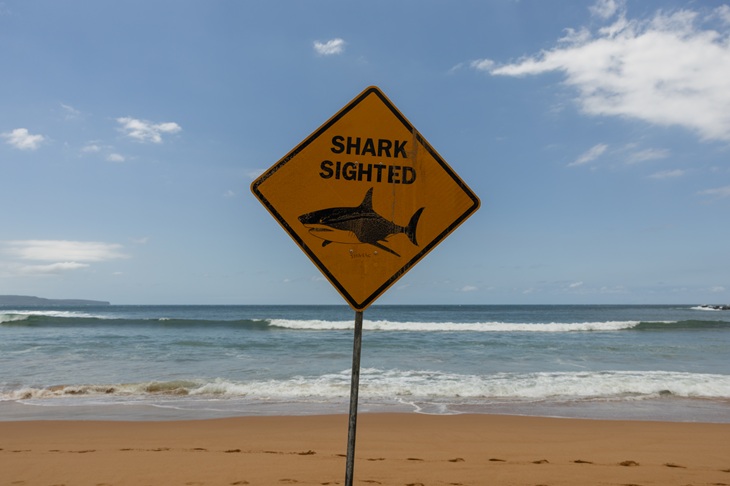
Unfortunately, the increase in marine life also attracted the multitudes of sharks we’re now seeing in the rivers, estuaries, and beaches of Sydney.
The spate of shark sightings and attacks in Sydney and along the NSW coast has increased significantly in recent years. Growing numbers of ‘big bulls’ have been caught by anglers in Sydney Harbour and along the coast.
On the afternoon of Tuesday, January 27, a monster two-and-a-half-metre, 150-kg bull shark was reeled in by an amateur fisherman at Clifton Gardens, not far from where 12-year-old Nico Antic was tragically attacked.
South Coast-based commercial fisherman Jason Moyce recently told media that he believes the current management of fisheries may have resulted in a population boom in shark numbers. ‘In my experience, 40 years of fishing, I’ve definitely seen an increase,’ he said.
In addition, NSW has experienced the highest number of shark attacks for January in the past decade, according to the Australian Shark Incident Database.
The tipping point for many was the recent call by the NSW government for people to ‘stay out of the water’ as a result of recent shark attacks; an anathema for Sydney’s summer-time culture.
Something’s got to give.
No one wants to see any marine species unnecessarily harmed. However, if we want to enjoy our beaches and waterways more safely, every method of controlling shark numbers should be open for discussion.
Some are calling for a ‘cull’ of shark numbers in NSW. Twin brother of shark victim Mercury Psillakis – Mike Psillakis – has asked to ‘open the conversation’ on shark culling in coastal waters, however, the logistics, effectiveness and financial cost of a cull is unclear.
Undermining efforts to keep shark numbers under control in recent years was the misguided decision by previous governments in NSW and QLD to gut commercial shark fishing.
In September 2020, under pressure from environmental groups, the Queensland government shut down the most economically viable element of the QLD Shark Fishery. Reforms were introduced that banned the legal export of shark fins separated from a legally caught shark carcass.
Previously, shark fins were exported detached from the carcass at over $70 per kilogram, while the rest of the shark meat was generally sold at around 20 cents per kilo, mainly to the pet food industry.
Between 2014 and 2019, Australia legally exported 32 tonnes of shark fin, equating to an estimated total of 162,000 sharks.
The ‘fins on only’ reforms effectively delivered a body blow to commercial shark fishing in QLD, with another uppercut delivered in 2021, with the commercial shark fishing take in the state reduced by 100 tonnes, equal to around 20,000 sharks.
The significance of this to increased shark numbers in NSW is not lost on experts. In the summer months as the water warms, sharks – especially bull sharks – migrate from their breeding grounds in QLD and follow the warm currents and schools of baitfish to NSW, especially to deep sheltered harbours like Sydney.
Exacerbating the fight to control shark numbers in NSW has been the steady tightening of commercial shark tonnage limits. In 2007 the annual tonnage limit for commercial shark fishing in NSW was 90,000 tonnes.
In 2026 the annual tonnage limit sits at just 26,000 tonnes, which equates to just two sharks taken per week until the quota is reached by the relatively small number of commercial shark fishing operators in NSW.
Scientists agree that worldwide shark numbers have been declining, particularly in areas with lax fishing laws and under-resourced policing.
However, Australia has a highly regulated fishery with strict rules well adhered to by commercial and recreational fishers.
To that end, there is room for a much larger regulated and sustainable commercial shark fishery in NSW and other jurisdictions.
As well as the obvious economic benefits associated with a strong commercial shark fishery, a regulated ‘fins-off’ shark fishing sector – properly managed and sustained – would help keep shark numbers at less concentrated levels.
While governments at every level have measures in place to help better control the number of sharks and their interaction with humans in our natural waterways, more needs to be done.
Rather than acquiescing to the often ideologically driven arguments of some groups, it’s time for a science and evidence-based approach to fostering a larger sustainable commercial shark fishing sector.
Brad Emery is a freelance writer and former staffer in the Howard Government