The January 3, 2026 extraction of Nicolás Maduro by US forces marks one of the most dramatic American interventions in Latin America since the end of the Cold War.
For the first time in a generation, a sitting Western Hemisphere leader aligned closely with America’s adversaries was captured and extradited to face prosecution in the United States. The operation signals not only a major shift in Washington’s posture in its own neighbourhood but also raises urgent questions about how America’s rivals interpret US willingness to use decisive force.
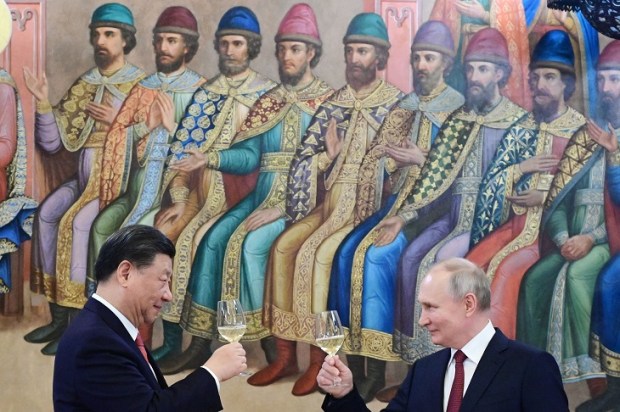
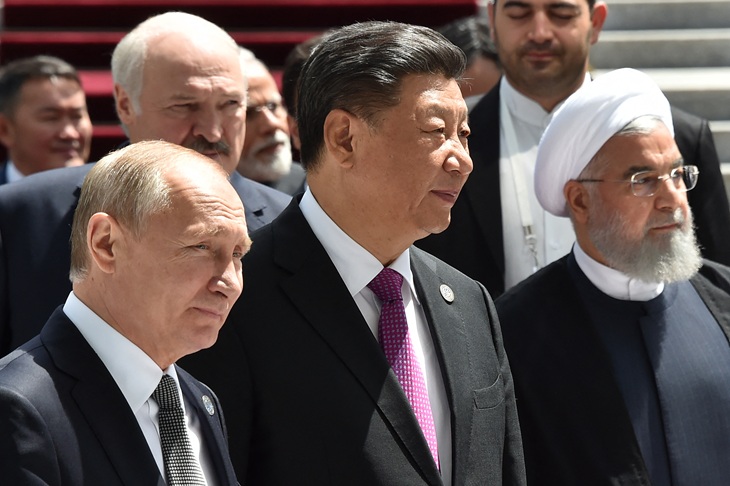
How will Putin, Xi, and Khamenei react? Do they see Maduro’s capture as a one-off display of American impatience with an authoritarian, or as the first step in a revived US doctrine that denies adversarial footholds anywhere in the hemisphere?
Will authoritarian powers now use the January 3 raid as justification for their own coercive actions abroad, or will the operation serve as a reminder that the United States military retains unique reach and capability?
Although President Trump’s messaging on Venezuela has been inconsistent, his administration is clearly embracing a strategic logic absent in recent decades: challenge hostile powers’ influence in the Western Hemisphere before it grows out of control.
For years, Russia, China, and Iran have worked with Venezuela to evade sanctions and serve as a geopolitical thorn in Washington’s side. Maduro’s extraction represents a blow to their investments in Caracas.
For Russia, Maduro provided a shadow oil network used to generate revenue despite sanctions. Maduro’s fall strips Russia of a longtime client and threatens the financial channels that have helped sustain the Kremlin’s war economy.
For Iran, Venezuela provided a sanctions-evasion ecosystem of refineries, illicit shipping routes, weapons, and joint ventures. Tehran’s IRGC-linked networks used Venezuelan territory to move oil, gold, and arms. Disrupting these channels undermines Iran’s regional ambitions and increases its economic vulnerability.
China has loaned Venezuela tens of billions of dollars under the Belt and Road framework. While Beijing imports only around 4 per cent of its crude from Caracas, it sees Venezuela as a strategic anchor for long-term influence in Latin America. Maduro’s ouster jeopardises repayment of Chinese loans and complicates its energy diversification strategy.
The ripple effects extend regionally. Cuba and Nicaragua – states dependent on Venezuelan subsidies over the years – now face economic uncertainty. Brazil’s and Colombia’s leadership both condemned the operation.
Reactions within the United States were mixed. Americans praised the precision of US special forces but expressed concern over Trump’s claim that Washington would ‘run the country’ on an interim basis.
Uncertainty persists over who the US recognises as Venezuela’s rightful leader: Delcy Rodríguez, hastily sworn in after the extraction, or opposition figures María Corina Machado and Edmundo González, who argue Maduro stole the 2024 election.
The next phase will test US statecraft. Washington will need to engage Maduro loyalists, pro-regime militias, Venezuelan generals, Colombian rebel groups, and narcotrafficking networks. Preventing power vacuums and avoiding the mistakes of past interventions will require keeping Venezuela’s security services functional and shepherding an eventual transition to new leadership.
Despite domestic criticism towards Trump of engaging in nation-building, Caracas’ shattered institutions and economic collapse could mean any American presence, temporary or not, will confront overwhelming challenges: rebuilding governance, stabilising markets, reining in crime, and restoring public trust.
Globally, Maduro’s removal sends a symbolic message, yet interpretation varies. Some analysts argue Putin, Xi, and Khamenei will see it as proof that Trump is more willing than previous presidents to use force to protect US interests.
Others believe adversaries will read the operation through a ‘spheres of influence’ lens – interpreting Trump’s assertiveness in Venezuela as evidence the US will focus regionally while granting rivals more freedom in Eastern Europe or the Indo-Pacific.
Which reading prevails remains uncertain. But one reality is clear: January 3 has altered geopolitical calculations beyond Caracas. America acted decisively in its own hemisphere for the first time in decades, and its adversaries are now recalibrating their strategies.
Ted Gover, PhD is an author based in Orange County, California