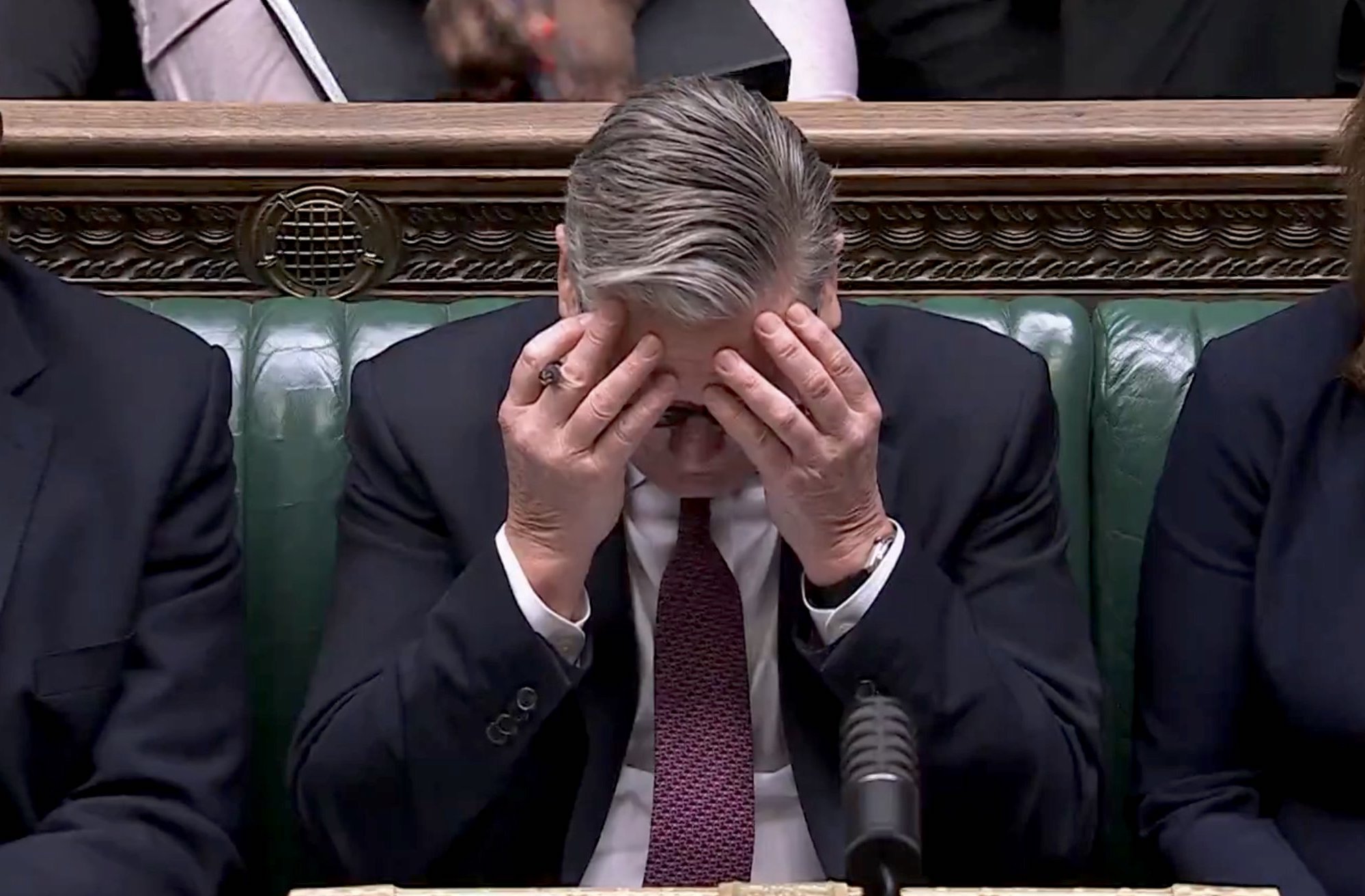
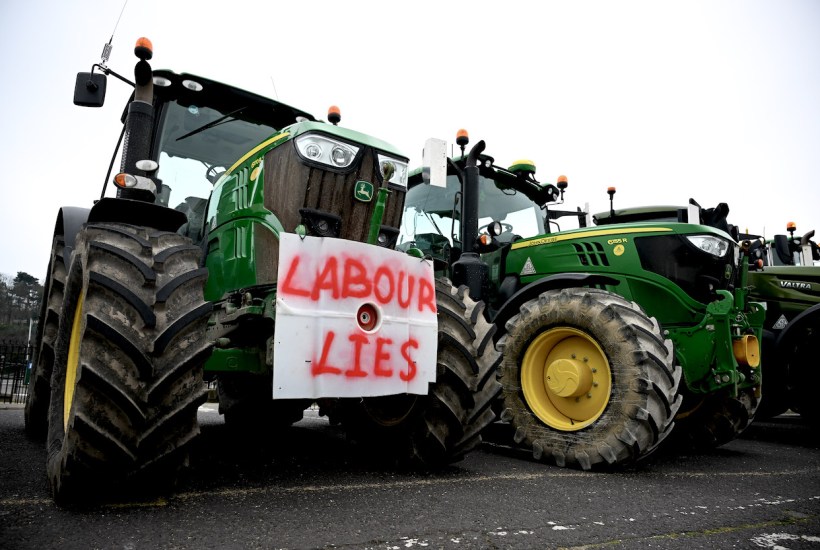
The government has delivered an early Christmas present to farmers by modifying the new rules on inheritance tax. Or that’s one way of looking at it. The other is that it’s a huge political U-turn, the latest of many, after months of digging in and insisting there was nothing to see here.
Following talks last week between Keir Starmer and Tom Bradshaw, the president of the National Farmers Union, the government has increased the threshold at which IHT will apply from £1 million to £2.5m. It allows spouses to pass on £5m worth of assets between them before being hit by inheritance tax.
The number of estates affected will fall from 375 to 185, so while it’s not a total solution, but farmers regard it as a step in the right direction.
Emma Reynolds, the environment secretary, said:
Farmers are at the heart of our food security and environmental stewardship, and I am determined to work with them to secure a profitable future for British farming.
We have listened closely to farmers across the country and we are making changes today to protect more ordinary family farms. We are increasing the individual threshold from £1m to £2.5m which means couples with estates of up to 5m will now pay no inheritance tax on their estates.
It’s only right that larger estates contribute more, while we back the farms and trading businesses that are the backbone of Britain’s rural communities.
But given that there have been reported cases of suicides on farms which were set to be hit by IHT, and given that Labour MPs in rural seats have been warning the PM for months about them losing their seats, it does beg the question why this was not done a year ago.
The truth is that this was a cock-up from the start. When I was writing for the Sunday Times, senior figures told me they were planning to launch a tax raid on figures such as Sir James Dyson, who openly boasted of buying up land to avoid inheritance tax. But the briefing explicitly pledged to protect family farms. When it quickly became clear that setting the threshold at £1m did no such thing, Rachel Reeves’s team seemed genuinely surprised. I bumped into one of them a few days after the announcement, and they as good as admitted the reaction had blindsided them. More evidence, I think, of clever, clever Treasury number crunchers being obsessed by the figures and ignorant of the politics.
The other interesting thing about this announcement is the role of the NFU. Bradshaw and his senior team have made a point of negotiating privately, rather than through the media megaphone, and have come in for some pretty stiff criticism for not waging a militant campaign of disruption and protest. This shows that polite but firm negotiations can bear fruit. Starmer, I am told, thanked Bradshaw for approaching the issue professionally.
Perhaps the BMA and the militant doctors could learn a thing or two.