During the dying days of Rishi Sunak’s regime, Labour politicians liked to encourage the idea that a change of government would improve industrial relations. Surely, their argument went, a party of labour is better placed to understand, negotiate and resolve questions of labour? But 18 months on, that notion is being tested to breaking point. Currently, it is the British Medical Association (BMA) which seems stubbornly determined to heap humiliation on Wes Streeting, with the Health Secretary unable to resolve the 33-month stand off over pay for resident doctors.
Yet such are the government’s woes that the BMA’s intransigence is not the biggest union-related story currently troubling Downing Street. This morning, Andrea Egan triumphed in the Unison general secretary election with 59.82 per cent of the vote. She ran on the slogan of ‘Time for a Real Change’ (TFRC), defeating the incumbent Christina McAnea, a longtime Starmer ally. During her campaign, Egan pledged to hold Labour’s ‘feet to the fire’, refused to write the party ‘blank cheques’ and praised Andy Burnham’s record in Manchester – three statements which did not go down well with the Prime Minister’s allies.
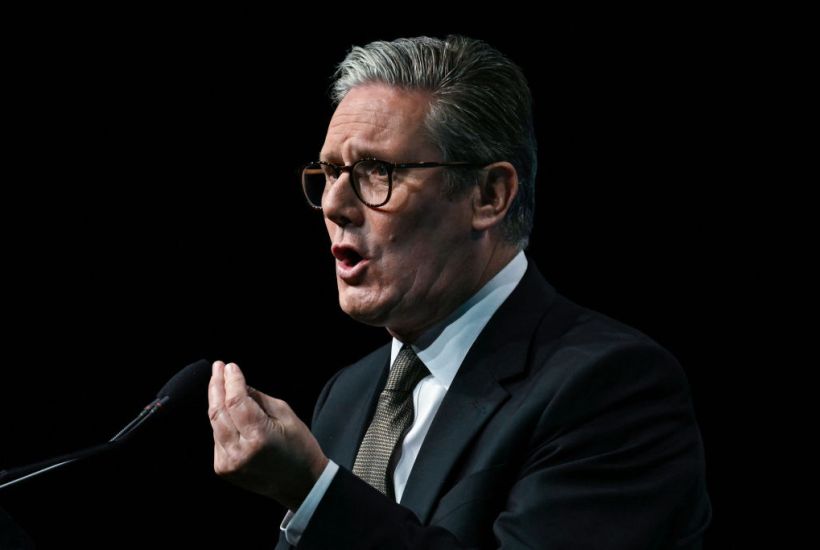
This result will be read through the prism of Keir Starmer’s political survival
Egan’s victory will worry No. 10 for three reasons. First, that other union chiefs will take this result as a signal and adopt a more critical line on the government in future industrial negotiations. Second, that erstwhile loyalists within the union movement will either suspend or transfer their loyalties from Starmer’s allies in internal fights ahead. And third, that Egan will follow through on her threats to cut Unison’s funding – which amounted to £1.5 million last year – at a time when Labour’s big business donors have dried up.
There is an irony to Egan’s triumph in that it came just hours after the Employment Rights Bill finally passed the House of Lords. This is the big win that the trade unions have been after – the biggest single legislative boost to their fortunes since the 1970s. But now that battle has been won, what can the government offer them? There is no Angela Rayner in this cabinet; no John Prescott-style figure left to negotiate with the unions. ‘The labour coalition has been pulling in the same direction’, says one trade union figure. ‘But there is nothing waiting in the wings.’
Opinion within the Labour party is divided as to whether Egan’s result is a political or industrial question. One new MP argues that it is the latter: ‘How does a TFCR Unison engage with local government and agenda for change negotiations?’ Another aide points to the upcoming series of trade union conferences in May. Disaffiliation motions are likely to be presented at the Aslef, the Communication Workers’ Union and Fire Brigade Union gatherings. ‘The house of cards could topple,’ they argue, noting that it will be in the aftermath of the spring local elections.
In Westminster, this result will be read through the prism of Keir Starmer’s political survival. Yet the more fundamental question is one of economics. Amid the ongoing cost-of-living crisis, a majority of Unison members are signalling that they want a more strident approach to industrial relations. That is bad news for ministers running public services for the rest of this government – regardless of which of them is occupying No. 10.