It is difficult to write about tragedies that take away innocent lives and affect countless others. Perpetrated by the few, who believe themselves to be doing the work of God, such carnage betrays the quintessential goodness of humanity by deliberately inflicting pain on other human beings with impunity.
Ideology is often the driving force behind such atrocities. Whether wrapped in chauvinistic sentiments like Nazi Germany or formulated in religious dictums such as ISIS, ideology is a dogmatic coercion bereft of compassion and devoid of reason. Instead, it is a force for the destruction of whatever it finds disagreeable in violent fashion. The Holocaust, the great purge by Stalin, or the senseless massacre of innocent civilians by radical Islamists, whether committed by state or non-state actors, are grim reminders of such disparaging indoctrination.
Ideas and beliefs, when ideologised, turn into a basket of religious and political superstitions detached from reality and subsumed by enmity and hatred. They tend to divide and segregate humanity in adversarial terms. To put it simply, ideology has been the curse of our era.
States, as the cornerstone of global politics, have a responsibility to stand firmly and resolutely against these barbaric acts, both in terms of physical security and surveillance measures to be taken and also in terms of identifying their networks and severing their financial and logistical support.
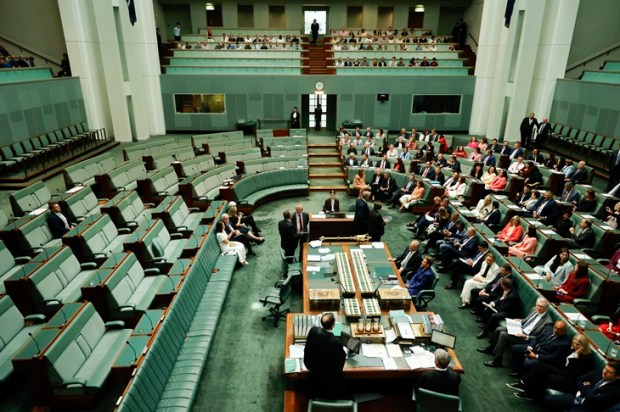
The terrorist attacks in Bondi Beach in Sydney last week, killing 15 people and injuring many others, are a stark warning to us of the destructive impact of what is alleged to be ideologised religion as well as the tragic lapse of state security. Western governments, in particular, should be extra vigilant in the face of the antisemitism that has bedevilled international public opinion in the past couple of years. The government of Prime Minister Anthony Albanese is believed by many not to have done enough in this regard.
The general approach of the Australian government is thought to have encouraged a focus on division within the ethnic politics of Australia’s diverse population. Even at schools, where ethnicity was not an issue before, pupils have begun asking about the ethnic origins of their classmates.
Critics of Labor cite their accommodating style in containing antisemitism despite warnings that they received from others, including Prime Minister Netanyahu of Israel. In a letter last August, he had specifically asked his Australian counterpart to be mindful of pro-Palestinian statements as they would ‘embolden those who menace Australian Jews and encourage the Jew hatred now stalking your streets’. Though the leader of the Australian Labor government has now vowed to fight antisemitism by every means available, it will come as little comfort to those who lost their loved ones in the Bondi Beach shooting last Tuesday.
Since the establishment of the Islamic Republic in Iran in 1979 and the onset of Islamist fundamentalism in international relations, the world has been a rather placid observer of the unfolding violence that has characterised this brand of religious radicalism. States, often preoccupied with their narrowly defined national interests, have for too long turned a blind eye to the blatant violation of human rights of even their own citizens at the hands of fundamentalists.
The time for inaction against those who have no regard for the sanctity of life has long gone. Terror as a means of pushing a political agenda has no place in the civilised world. Diplomacy, the art of persuasion, cannot be allowed to give way to terrorism so that others can be forced into submission. Difference and opposition, though part and parcel of modern political processes, ought to be tabulated in a manner conducive to a free, democratic and peaceful participation of the wider public.
Farid Mirbagheri is Professor of International Relations and Director of Research at Strategy International.