Benefits could be withdrawn for young people not engaging with Youth Guarantee scheme
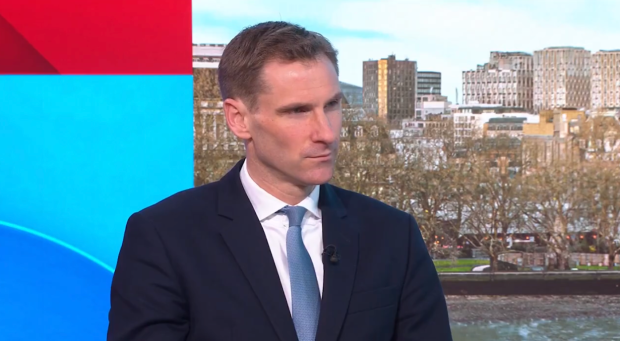
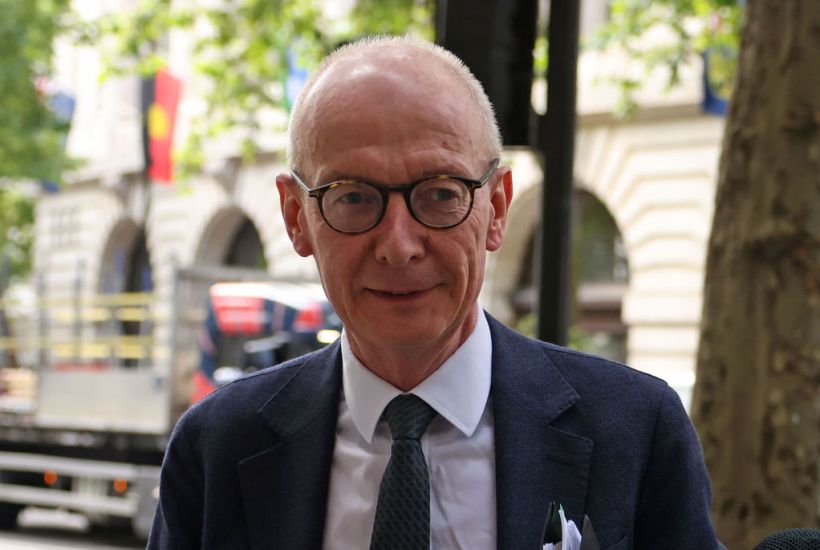
The number of 16 to 24-year-olds not in employment, education or training is now at almost a million, having risen sharply for the last four years. The government have announced an £820 million Youth Guarantee scheme to provide 350,000 work experience placements, and 55,000 subsidised jobs to young people. Work and pensions secretary Pat McFadden was interviewed this morning, saying he wanted the issue to be a major ‘Labour cause’. On Sky News, Trevor Phillips asked McFadden if those who didn’t engage with the Youth Guarantee scheme might have their Universal Credit benefits removed. McFadden said: ‘They could be… we see this as both an offer, and an obligation’. He added that the issue was an international one, and that employment ministers from other G7 countries all reported the same problem.
Are many families better off on benefits than they are working?
On GB News, Camilla Tominey said it was ‘a lie’ that Labour would cut welfare at all, telling Pat McFadden that the welfare bill is likely to go up by £70 billion this parliament. McFadden claimed Labour have made a big change to Universal Credit, narrowing the gap between ‘what you get for being declared unfit for work, and what you get when you’re fit for work’, which reduces the incentive to report longterm illness. Tominey noted that the Centre for Social Justice think tank has estimated a family with three children would have to earn £71,000 to be better off than claiming benefits. McFadden said the think tank didn’t compare ‘like with like’ because they allocated disability benefits to the unemployed family, which would actually carry over if they were working. Tominey agreed that the figure had been challenged, but that the adjusted amount would still be £61,000. McFadden replied that Universal Credit is designed so that ‘you’re always better in work’.
Baroness Falkner: ‘You can’t disregard 51% of the population on the basis of a… culture war’
On Friday, the former head of the Equality and Human Rights Commission Baroness Kishwer Falkner told The Times that the Labour party has ‘completely abandoned women’s rights’. On Sky News, Trevor Phillips asked Falkner why she said that. Falkner mentioned the case of Sara Sharif, a young girl murdered by her father in 2023. She claimed that the chance to prevent that murder was ‘lost due to racial sensitivities’. Falkner also said that it was mainly Labour controlled councils that failed to protect young women in the grooming gangs scandal because they were ‘afraid of being called Islamophobic’, and that the government’s new definition of Islamophobia would be ‘more speech curtailing’. Phillips suggested that it was quite serious to suggest the government was at fault for allowing things like Sara Sharif’s murder to occur. Falkner said, ‘are women’s lives… not worth a serious discussion’, and criticised those who disregard her position as part of the ‘culture wars’, saying these are ‘profound… fundamental rights’.
Helen Whately: ‘What I’m expressing is the frustration people feel’
On the BBC, Laura Kuenssberg questioned shadow work and pensions secretary Helen Whately over her party’s plan to stop people with less serious conditions from getting subsidised Motability cars, asking Whately how many people that would affect. Whately gave a vague answer, saying that the Motability scheme ‘exemplifies what has gone wrong with the welfare system’, with costs going up despite no significant increase in the numbers of disabled people. Whately also said that in general, people with mild mental health conditions or anxiety shouldn’t be getting sickness benefits, and claimed that could save £7 billion. Kuenssberg pushed Whately on the numbers again, noting that Whately had claimed in October that ‘millions are getting benefits for anxiety and ADHD, along with a free Motability car’. Kuenssberg said the BBC’s research showed 1.1 million people get benefits for those conditions, and only 190,000 eligible for a Motability car, and asked Whately if she was being misleading. Whately said she was making a ‘general point about the problem we have’, and claimed that evidence suggests people with mild mental health conditions are better off in work.
Helen Whately: ‘Farage should be straight with the public’
This week, Reform leader Nigel Farage has been hit with allegations of many counts of racist behaviour whilst at school. The Guardian’s report suggested that 28 former teachers and pupils have come forward to say they witnessed racist behaviour from Farage. Farage himself has described his actions as ‘playground banter’. On Sky News, Baroness Falkner told Trevor Phillips that ‘young people say all sorts of things at school’, but that the best thing for Farage would be to offer an ‘unreserved apology… if he is genuinely not a racist’. Phillips also asked Helen Whately if she believed the allegations against the Reform leader. Whately said they were ‘serious accusations’, and Farage’s comments at his press conference ‘didn’t sound… like a straight answer’.
Zarah Sultana: ‘We need a referendum on the monarchy’
The new party on the left, eventually confirmed as being called Your Party, has had a shambolic start. Speaking to the BBC this morning, co-founder Zarah Sultana admitted that the past few months have been ‘really difficult’, but said Your Party is ‘moving forward’. She also said there had to be ‘conversations around electoral alliances’ before the next general election, suggesting that she gets on ‘really well’ with Green Party leader Zack Polanski. Sultana told Kuenssberg about her views on ‘democratic ownership’ of companies, where profits are shared amongst the workers, claiming it works ‘very well across the world’. Kuenssberg asked if Your Party would make that sort of model mandatory if in power. Sultana said Your Party had no official policies yet, but it was important to ‘articulate a different vision of society’. Sultana then criticised the monarchy’s sovereign grant of £132 million next year, and Prince Andrew receiving ‘£12 million of taxpayers’ money to defend his legal costs’. Kuenssberg asked if Sultana would campaign to abolish the monarchy. Sultana said, ‘absolutely, I’m a republican’.