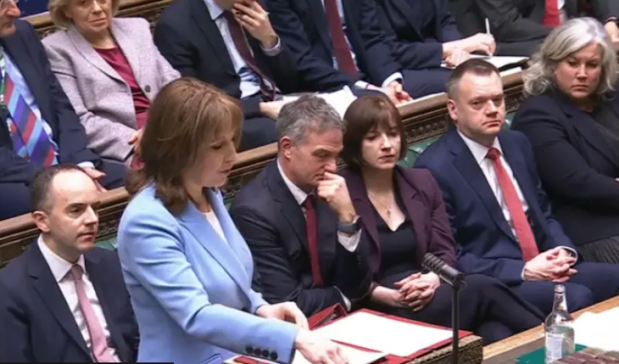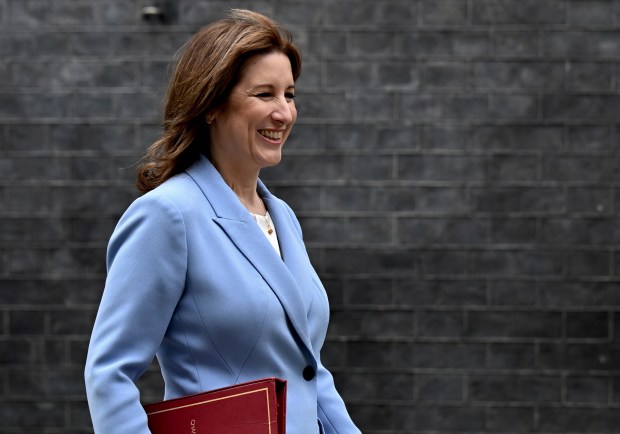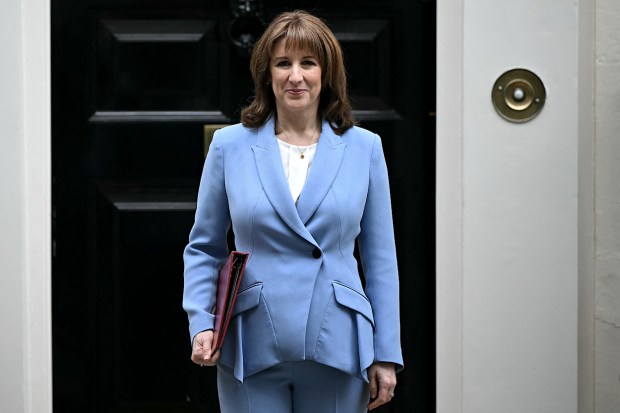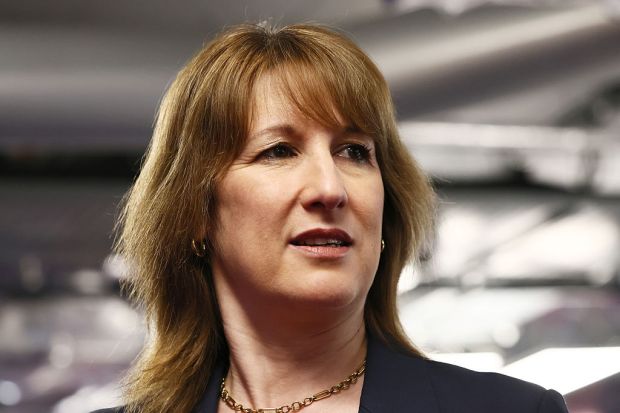
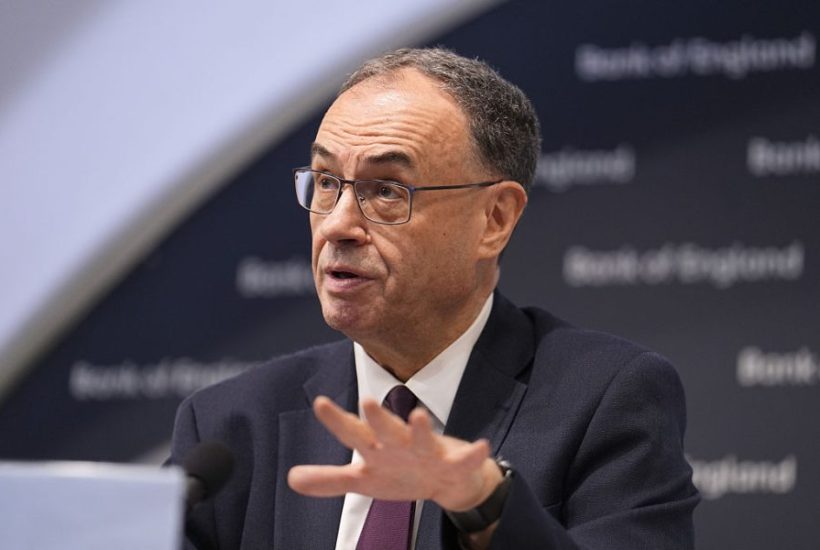
After yet another dreadful week, the Chancellor Rachel Reeves must be praying the Bank of England helps her out by cutting interest rates tomorrow. It would reduce the huge amount of interest the government has to pay, it would put more money in people’s pockets, and it might even stimulate growth. The trouble is, the Bank’s governor, Andrew Bailey, can’t afford to bail Reeves out of the hole she has dug for herself. If the Bank does, it will be risking its independence.
Even the City’s experts have no clear idea what the Bank will decide on interest rates this week. The markets have priced in a one in three chance of a cut, rising to a two in three chance of a cut by the end of the year. On Polymarket, the predictions market that is popular among traders, the overwhelming consensus is that rates won’t change, with just a 12 per cent chance of a quarter-point reduction.
We will find out what happens at lunchtime tomorrow. One point is surely clear, however. The Bank’s governor can’t allow himself to be seen as bailing out a Chancellor whose position looks more and more precarious all the time. Sure, a rate cut would be a huge help just three weeks before what already looks like a catastrophically unpopular, tax-raising Budget. The cost of issuing new gilts would start to fall, easing the £108 billion the government now has to spend every year servicing its massive debts. And it would lower mortgage rates and the cost of borrowing for business. It might even nudge the rate of growth above 1 per cent.
It would, however, also look far too political. Inflation is still running at 3.8 per cent, almost twice the 2 per cent target, and shows little sign of coming down. The Energy Secretary Ed Miliband is still pushing ahead with demented green levies that are racking up extra costs for households and businesses. Even the tax changes rumoured in the Budget, such as a big increase in National Insurance charges for lawyers and accountants, will feed through into the Consumer Price Index, and so will the next big increase in the living wage. Inflation is higher in the UK than in most comparable countries mainly because the government keeps driving prices up. Against that backdrop, the central Bank has to keep interest rates higher than it otherwise would.
The Bank’s governor Andrew Bailey would probably like to help Reeves out with a rate cut. But with Reform already questioning its independence, it would be a huge mistake.