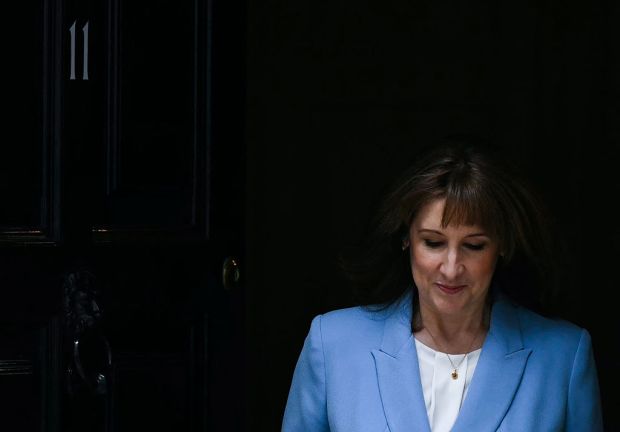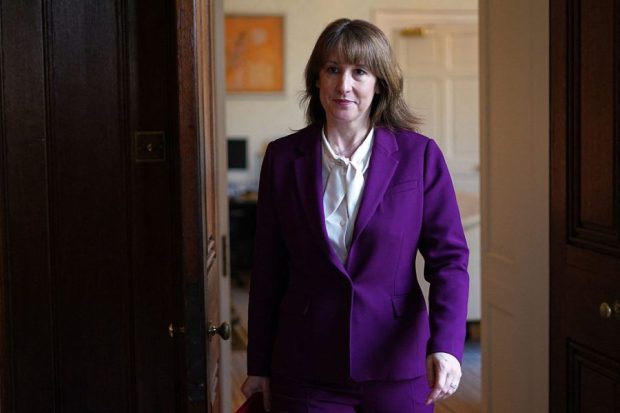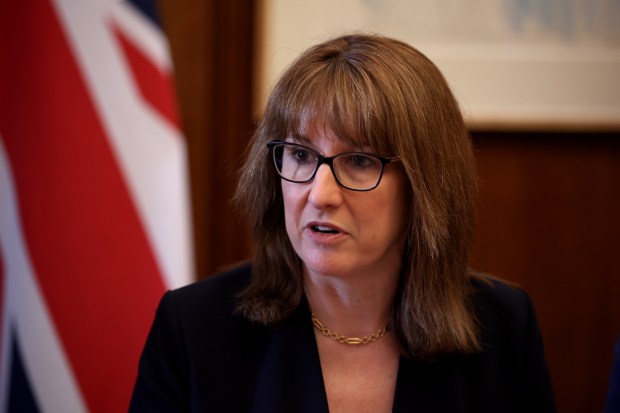
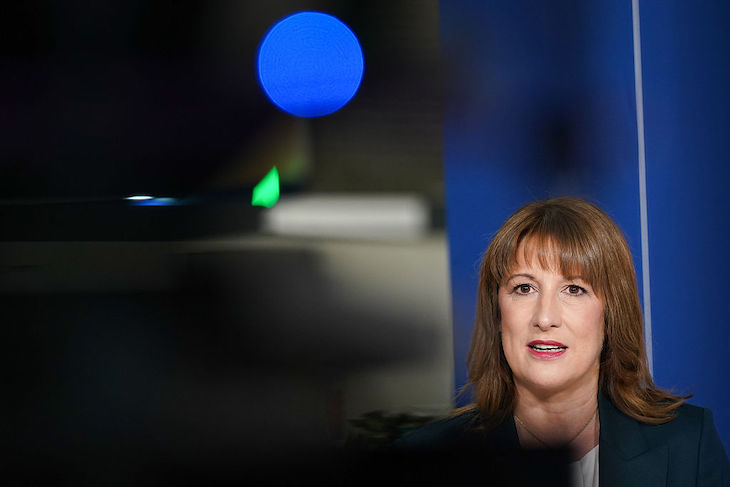
When the Chancellor speaks at Labour party conference later today she has a tough message to deliver. Rachel Reeves will announce her plans to ‘abolish youth unemployment’ by forcing Britain’s jobless young into work. Those who turn down job offers or training places after a period of inactivity will have their benefits docked.
There’s a moral case to be made for welfare reform and Reeves must make it today.
The ‘youth guarantee’ scheme which Reeves will unveil when she speaks at midday will offer the carrot of a guaranteed work placement once they’ve spent 18 months out of the workforce. The stick, though, will be having their benefits taken away from them if they don’t play ball.
With nearly one million 16-24 year olds classified as not in education, employment or training – so called ‘neets’ – it’s a problem that is costing our economy billions. So tackling it not only makes good economic sense but feeds into one of the key themes that Labour want to get out from this conference: the idea that ‘Britain is founded on contribution’.
Economists, though, will be watching for any clues on what she does on employment taxes in the Budget. Whilst many have blamed the graduate jobs slump on AI, the reality is that the £25 billion raid on employers’ national insurance at last year’s Budget has caused hiring managers to shut up shop. If the Chancellor is serious about stopping a new workless generation she must tackle the tax environment for employers she created a year ago too.
But to look at our welfare problems, and rising youth worklessness specifically, through only a fiscal lens misses that this is a human tragedy too. Thousands of young people go straight from school, college or university onto long-term sickness benefits and many of them never come of them. That is a moral outrage of wasted life that must be tackled.
Society doesn’t work if its people don’t. Joblessness breeds depression and anxiety which makes the idea of getting back to work impossible for many to comprehend. But for too long we have seen that as acceptable and so the problem has exploded. Allowing thousands of our young people to enter lives of dependency and despair in the name of mental health is not compassionate at all.
Politically, an argument like that above is much more convincing than a purely economic one. When Liz Kendall tried to cut £5 billion off a soon-to-be £100 billion-a-year sickness benefits bill Labour MPs would not wear it. They will not wear what are in effect benefit sanctions on the young either if it is made in purely economic or fiscal terms. There’s a moral case to be made for welfare reform and Reeves must make it today.