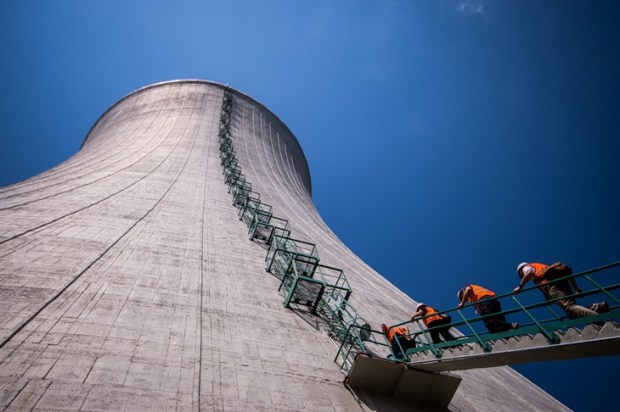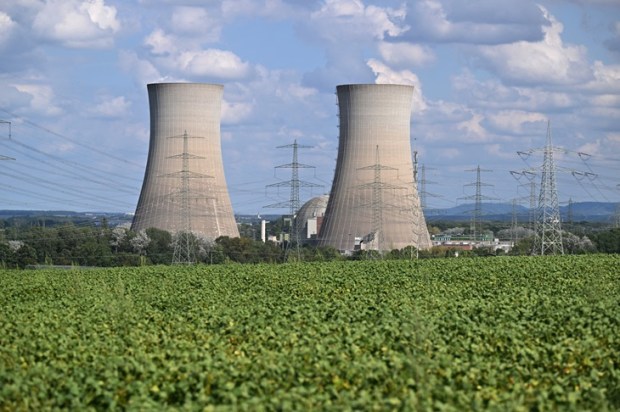
As the Coalition unveiled its plan to integrate nuclear energy into Australia’s energy mix, backed by Frontier Economics’ detailed modelling, the backlash was swift and predictable. Media outlets like The Guardian, the ABC, and vested-interest renewable industry associations and publications scrambled to poke holes in the proposal. For them, nuclear energy is less of a solution and more of a convenient villain – a narrative they cling to with remarkable inflexibility.
But the resistance to nuclear isn’t just about policy differences or genuine debate over cost and feasibility. Instead, it stems from a complex web of ideological commitments, financial self-interest, and fear of a shift in power dynamics. Let’s unpack the real reasons why nuclear energy faces such fierce opposition from these quarters.
Entrenched Ideology
For decades, nuclear energy has been painted as the ‘boogeyman’ of the energy world, tainted by Cold War-era fears and anti-nuclear activism of the 1970s. To many on the progressive side of politics, nuclear isn’t just a technology – it’s a symbol of everything they oppose: centralised power, corporate greed, and environmental destruction.
This outdated worldview blinds critics to the reality of today’s nuclear technology. Modern reactors are safer, more efficient, and integral to the decarbonisation plans of countries like France, Canada, and South Korea. Yet in Australia, opponents continue to wield the same tired arguments about cost, timelines, and safety, refusing to acknowledge nuclear’s evolution. Why? Because admitting they’re wrong would mean rewriting decades of anti-nuclear dogma – and for ideological purists, that’s a bitter pill to swallow.
The Renewables-Only Narrative: Fragile and Defended
Australia’s renewables sector has been sold as the golden ticket to a zero-carbon future, with solar panels and wind turbines promising to save the planet (and the economy). Organisations like the Smart Energy Council and publications like RenewEconomy have built their entire identity on this narrative. Nuclear energy threatens that story by offering an alternative that solves the critical flaw in renewables: intermittency.
But rather than see nuclear as complementary to renewables, these groups portray it as a rival – a distraction from their vision of a solar-and-wind utopia. Their arguments often lack nuance, framing nuclear as ‘too slow’ or ‘too expensive’, despite Frontier’s modelling showing otherwise. What they don’t mention is that their favoured technologies rely on massive subsidies and unquantified costs, such as the environmental impact of mining for rare earths, the adverse effects on biodiversity, the land footprint, and the disposal of expired solar panels and batteries.
Admitting that nuclear could play a role would require these organisations to rethink their all-or-nothing approach – and that’s a risk they’re unwilling to take.
Protecting the Status Quo
Let’s not ignore the elephant in the room: money. The renewables sector is big business, with billions of dollars flowing through subsidies, grants, and private investments. Renewable industry associations have deep financial ties to this ecosystem, which incentivise them to downplay nuclear and promote renewables at all costs.
For some media outlets, the financial calculus is more subtle but no less real. Public broadcasters depend on audience trust and funding that aligns with their perceived values, while private outlets often rely on partnerships with renewable energy companies. Supporting nuclear would mean biting the hand that feeds them – or at least, alienating parts of their audience who see renewables as the only ethical choice.
This vested-interest-driven bias ensures that every discussion about nuclear is framed as an uphill battle, with opponents cherry-picking data and amplifying worst-case scenarios to protect their turf.
The Fear of Losing the Narrative
In the energy debate, control over the narrative is everything. For left-leaning media and renewables-focused organisations, nuclear energy represents a potential loss of narrative control – a shift in focus from their carefully curated storylines about solar panels saving farmers and wind farms revitalising rural economies.
Nuclear energy complicates their messaging. It doesn’t fit neatly into feel-good headlines or viral campaigns. It’s technical, complex, and, perhaps most importantly, bipartisan in other parts of the world. Supporting nuclear would mean conceding that the Coalition might have a valid idea – an unthinkable scenario for those who view every policy debate as a zero-sum game.
And then there’s the risk of alienating allies. The Greens, the Climate200 Teals, and parts of the Labor Party have staked their reputations on anti-nuclear rhetoric. Media outlets and organisations aligned with these groups fear the backlash of breaking ranks, even if it means ignoring mounting evidence in nuclear’s favour.
The Missed Opportunity: Pragmatism Over Politics
What’s most frustrating about this opposition is the missed opportunity for Australia. Nuclear energy isn’t a rival to renewables – it’s a partner. Countries like the US, Sweden, and Canada show how nuclear can provide the steady baseload power needed to complement intermittent sources like wind and solar.
By clinging to ideological purity and vested interests, Australia’s nuclear opponents risk delaying progress on decarbonisation and energy security. Instead of dismissing the Coalition’s plan outright, why not engage in a constructive dialogue? The Frontier Economics modelling provides a foundation for serious debate – if only critics were willing to step outside their echo chambers.
The world is moving forward on nuclear energy, with countries from the United States to Japan investing in small modular reactors and next-generation technologies. Yet Australia risks being left behind, shackled by outdated fears and political gamesmanship.
It’s time for left-of-centre media and the renewable sector to rethink their inflexible stance. Pragmatism, not ideology, should guide Australia’s energy future. Supporting nuclear energy isn’t about choosing sides – it’s about choosing solutions.
The stakes are too high for entrenched biases and vested interests to dictate the terms of the debate. Australia deserves an energy policy grounded in evidence, not fear. Let’s hope the conversation evolves before it’s too late.