It may seem like an odd pairing, but the friendship between the Iranian and Jewish communities isn’t new. Dating back to the 6th Century BCE, this unique relationship began when Cyrus II of Persia conquered Babylon, granting the Jewish people freedom to return to their homeland, the Kingdom of Judah. The Persian Empire’s policies on human rights and tolerance fostered a space where different cultures, including those of the Jews, could thrive. Today, this connection finds new relevance, as diaspora Iranians and Jews bond over shared values and a common enemy: the threat of Islamic extremism, fundamentalism, and radicalism. These forces have endangered both communities and fuelled their fight against a common adversary.
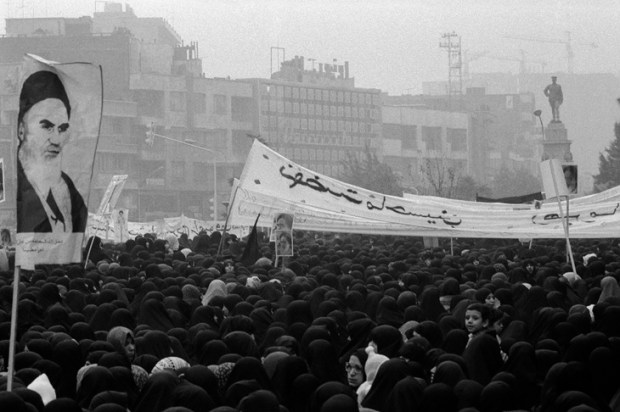
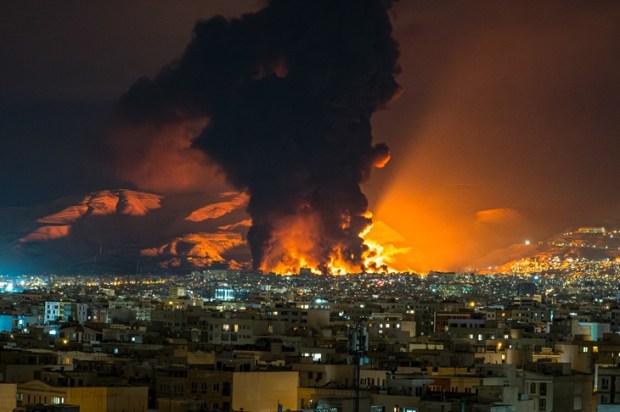
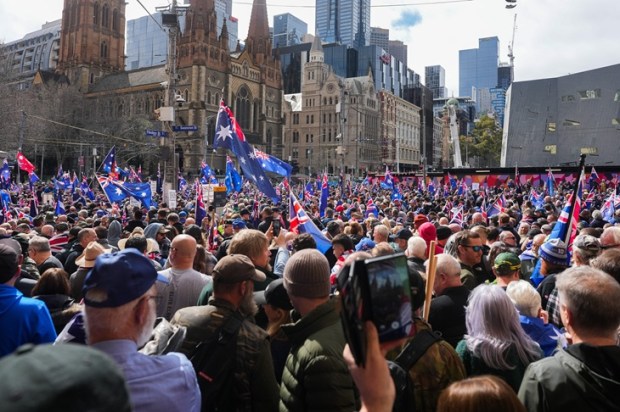
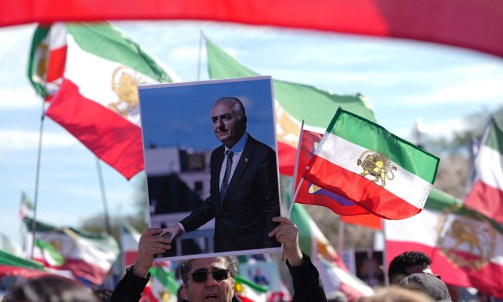
The Islamic regime’s grip on Iran since 1979 has consistently stifled the Iranian people who have shown their resistance time and again. Following the tragic death of Mahsa Amini in 2022, mass protests erupted calling for basic human rights and an end to totalitarian oppression. However, for Iranian expatriates who fled the regime to find freedom in the West, a disturbing trend has surfaced. Since October 7, 2023, support for Islamic extremism has intensified, creating a worrying climate where flags of known terror organisations – such as the Popular Front for the Liberation of Palestine (PFLP), Hezbollah, and Hamas – are boldly displayed at protests. The chants heard at these rallies, like: ‘There’s only one solution, Intifada revolution…’ threaten and alienate Jewish and Iranian communities as it reminds them of the ideology echoed by the Islamic Republic’s authoritarian regime. Members of the Iran Novin Party recognise this disturbing development as an infiltration by the Islamic Revolutionary Guard Corps (IRGC) into Western societies, including Australia. The IRGC, notorious for its support and funding of terror groups, clearly extends its influence beyond Iran’s borders, posing a global threat.
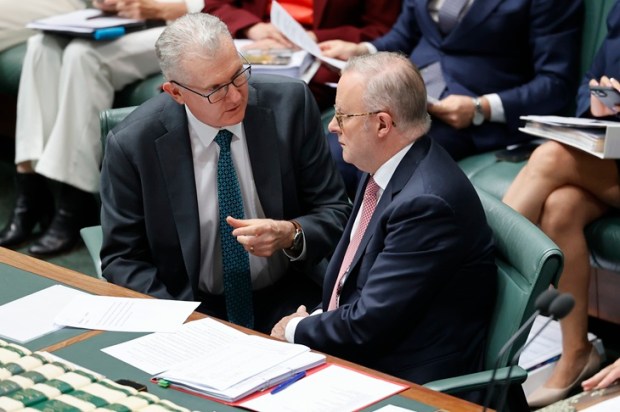
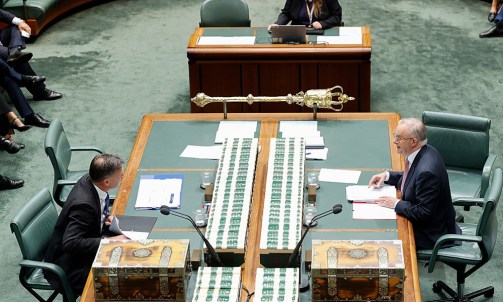
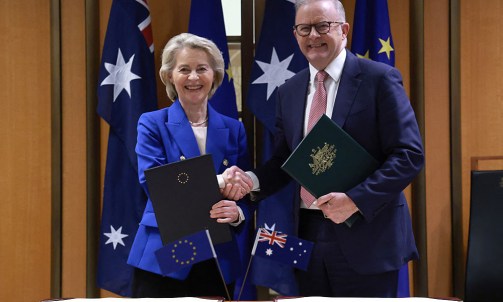
As of 2024, the IRGC is officially designated as a terrorist organisation by the United States, Canada, Saudi Arabia, and Bahrain, with the United Kingdom and the European Union considering similar action. Australia, under increasing pressure since 2023, has taken some steps, imposing sanctions on over 80 individuals linked to the IRGC. Yet the Australian government stops short of fully listing the IRGC as a terror organisation allowing support for its terror proxies like Hamas and Hezbollah to continue largely unchecked on Australian soil. This creates a troubling contrast: while authorities designate and sanction IRGC operatives, protests openly display flags and symbols associated with these groups.
The lax approach of Australian law enforcement and the government has stirred fear and frustration. For example, an article in The Australian revealed at least one leader of a government-funded Muslim organisation expressed enthusiasm for ‘victory’ over Israel, following the death of Hamas leader Yahya Sinwar. At one conference, attendees praised Jihad and called for the end of the ‘Zionist occupation’. Such radical rhetoric, bolstered by millions in government funding, begs the question: is the Australian government inadvertently supporting a culture that promotes extremism? The concerning fact is that the IRGC has long utilised ‘soft power’ tools in the form of mosques and cultural centres to spread its message, a tactic that may now be unfolding in Australia.
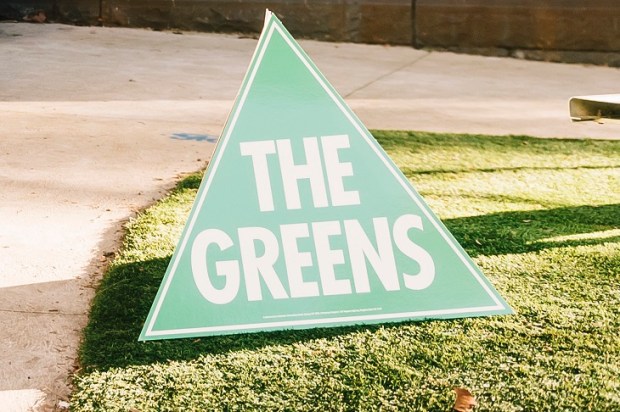
It’s unsurprising, then, that the Australian Greens party has come under fire for its hardline, anti-Israel stance in the ongoing Israel-Hamas conflict. Many criticise the Greens’ double standard over failing to call out support for the IRGC and Iran at pro-Palestinian rallies, as this creates a bizarre and dangerous alliance between radical Islamic groups and the Australian green-left. Members of the Iranian diaspora and Jewish community leaders are recognising the need to band together with both groups suffering from the effects of Islamic extremism and political radicalism knowing this does not bode well for Australia.
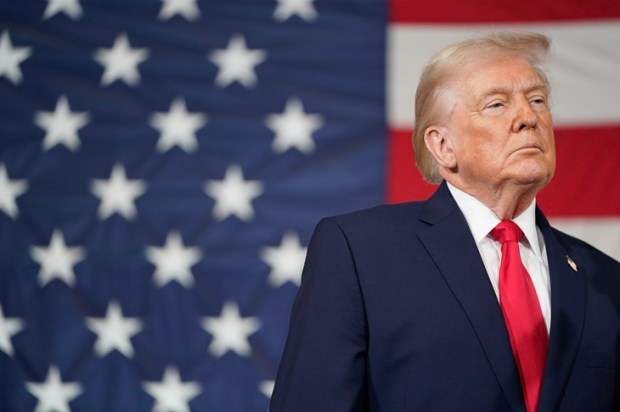
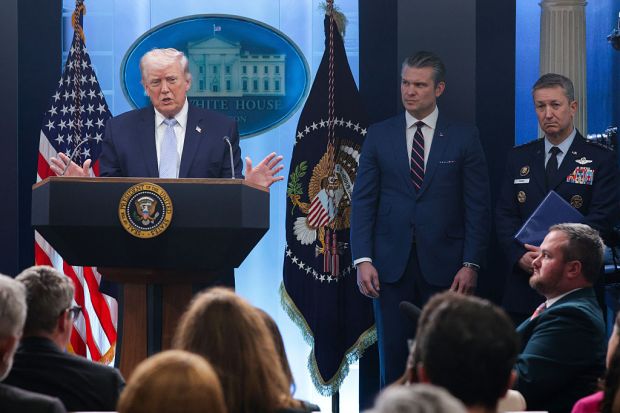
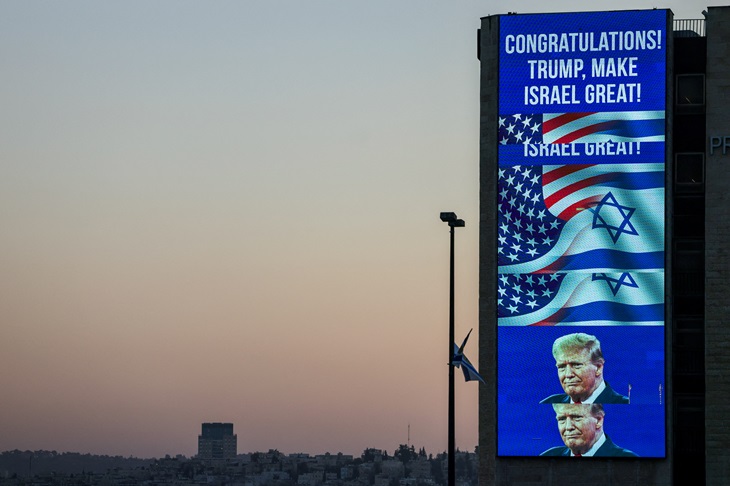
With Donald Trump’s victory in the 2024 US Presidential election, a major shift in international policy is on the horizon. During his previous term, Trump took a strong stance against Iran by withdrawing from the nuclear deal, imposing comprehensive sanctions, and designating the IRGC as a terrorist organisation. His return to the White House will likely reinvigorate this approach, putting pressure on allies worldwide to adopt similarly firm policies. This may encourage the Australian government to finally designate the IRGC as a terrorist entity, despite the complex dynamics of Iran’s alliance with China. Such a decision would signal a major pivot in Australia’s foreign policy and demonstrate a commitment to countering extremism – making it not such an oddity for an Iranian and a Jew to be talking at a sausage sizzle.
Hesam Orouji, Iran Novin Party, Australia Desk @hesamorouji
Hava Mendelle, Co-founder and Director, Queensland Jewish Collective @qldjewish