In the wake of the Russell Brand conviction and the David Walliams revelations, many have had an eery sense of déjà vu. It feels like the #MeToo moment ten years ago, when many women came forward to announce that they had been treated inappropriately, molested or raped by men in the public eye.
When that movement arrived here, Britain was already in the midst of a scandal involving sexual abuse on an industrial scale, the full details of which were beginning to see the light of day: the grooming gangs atrocity. Yet ten years ago, the rape of working-class white girls by groups of men of Pakistani origin was almost entirely overshadowed by #MeToo.
That dissonance seems familiar once more. Again, we have heard the grim testimony of many women, while a different horror not involving famous people is still taking place. That story is the upsurge of rapes and sexual assaults committed by illegal immigrants and asylum seekers.
Lat Thursday it was reported that two men, Mudasar Hussain and Kamir Khan, who had been found guilty of raping a teenage girl who was groomed and trafficked in Rotherham 20 years ago, are now on the run. Meanwhile, official figures showed that 20,000 foreign offenders were living free in the country despite being subject to deportation orders.
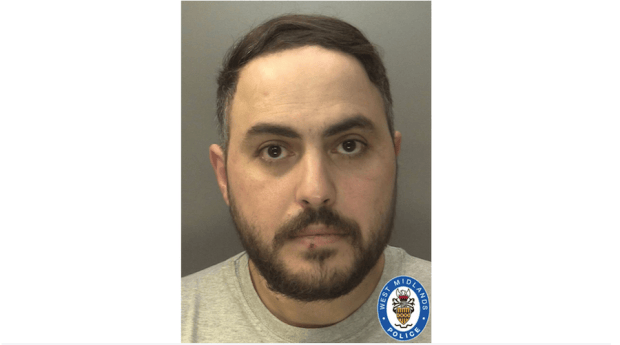
Many of these numbers have gone on to reoffend while still living in the UK. This includes Radiet Meles, who arrived here from Eritrea on a lorry, who was sentenced to five years for attempted rape in 2018, and who after his subsequent release attacked another woman. He was found guilty of rape and assault by beating in September. Another is Gift Oladele, from Nigeria, jailed for 17 years in April for the rape and sexual assault of a young woman. He was already on bail for another allegation of rape, and jailed in 2022 for a sexual offence.
This came on the back of a leaked government document in July which found that, of the 400,000 illegal immigrants identified by the Home Office as living in the UK, more than half could not be deported as they awaited the outcomes of human-rights tribunal decisions. Shabir Ahmed, the ringleader of a Rochdale rape gang, cannot be deported to Pakistan.
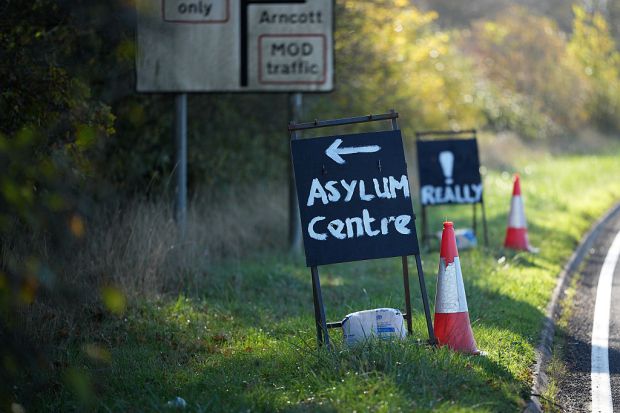
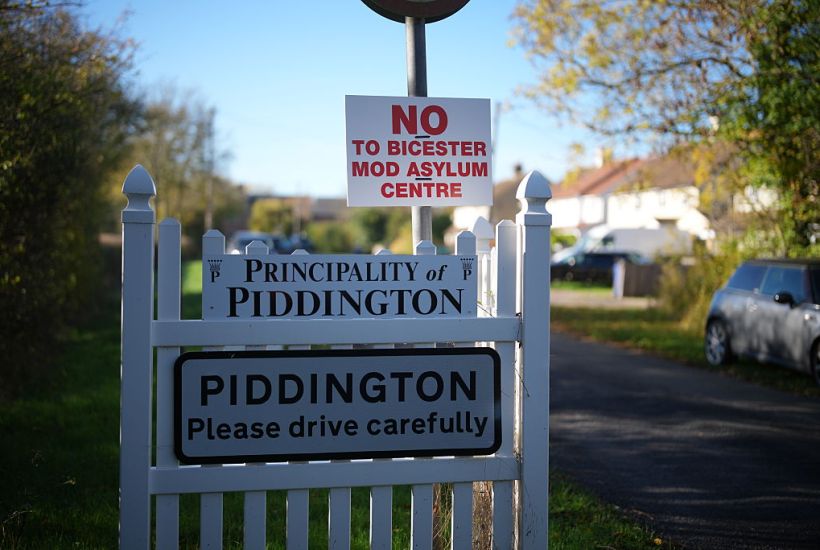
The residents of Piddington are right to be worried, now that it looks likely that a nearby camp housing over 1,200 undocumented, illegal male immigrants will be given the go-ahead. A report this September by the Migration Observatory at Oxford University found that nationals from Afghanistan, Iraq and Iran show significantly higher conviction rates for serious offences, including sexual violence, than UK-born citizens. In August the Home Office even began issuing guidebooks reminding such newcomers not to rape women and children. As the comedian and GB News contributor Cressida Wetton has asked: ‘Where is that righteous anger now? Why the sudden silence?’
This crisis has been well-documented for years, but the crimes of its perpetrators have never generated the kind of reflection prompted by Brand’s conviction last Monday: the first-person testimonies in the newspapers, the celebrities, the commentators now urging for the introduction of ‘staggered consent’, so that 16- and 17-year-olds are protected from older male predators. There are now calls for this to be Britain’s true ‘Me Too moment.’ A ‘Me Too’ moment is the last thing we need, an episode which led to the demonisation of one half of the human race and the infantilisation of the other.
As was the case a decade ago, few in left-wing and celebrity circles are willing to speak out on a politically awkward crisis and unfashionable cause. The victims of these crimes – often white working-class women and girls, a demographic who scarcely seem to get sympathy or justice – remain voiceless.