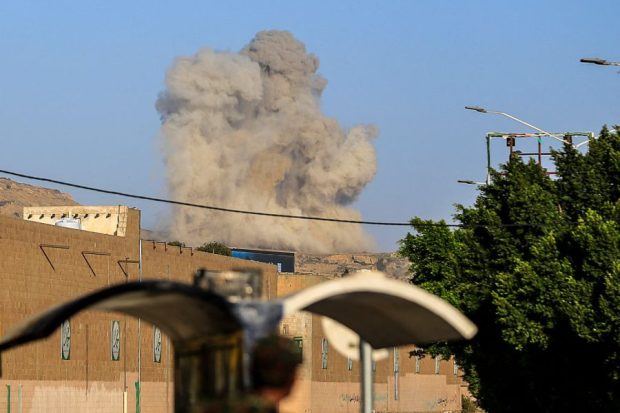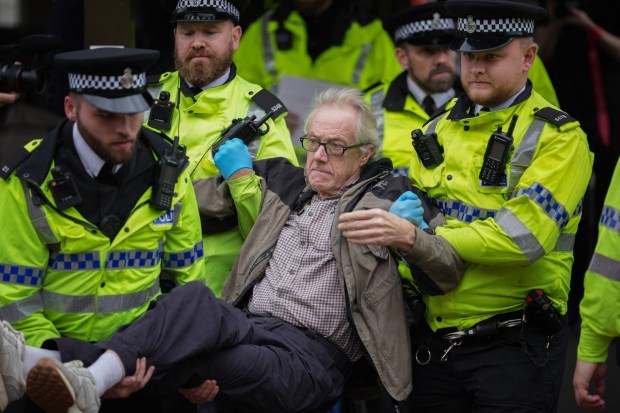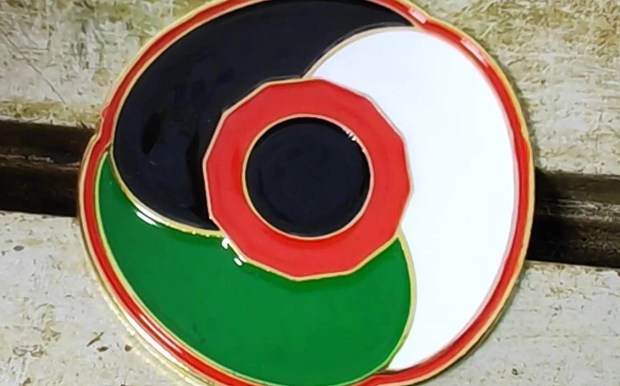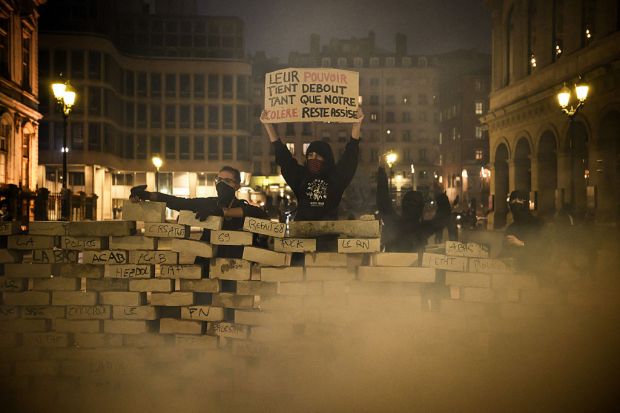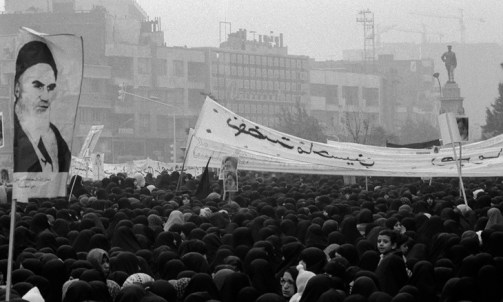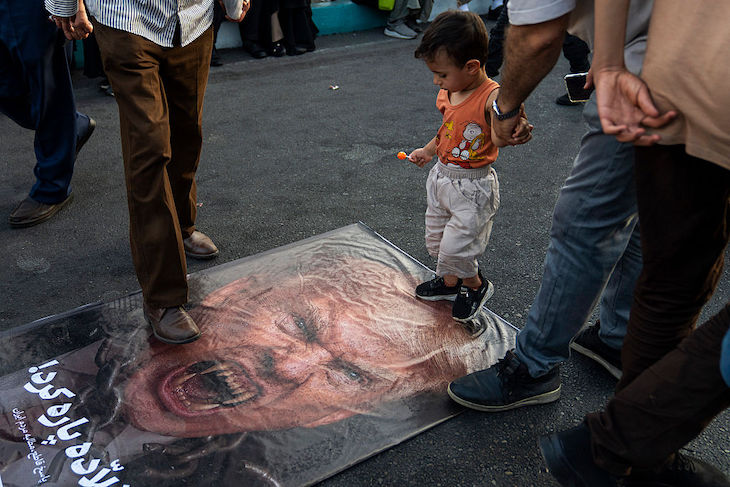
The mullahs are learning – again – that one can beat a crowd, but not indefinitely beat a people. A state founded on permanent emergency eventually discovers that emergency is its only language, and coercion cannot persuade forever. The protests convulsing Iran, met with familiar brutality, are not just street politics. They are a referendum on clerical rule, the terror apparatus sustaining it, and the international indulgence keeping it alive.
Britain’s complacency in the face of Tehran’s terror isn’t naïve; it’s strategic self-harm
Britain’s response to foreign despotism is tepid: ‘urge restraint,’ ‘call for calm,’ ‘monitor closely.’ As Tehran accelerates punishments and enforcers hunt the defiant, Westminster persists in therapeutic tones, treating the Islamic Republic like an unruly participant in mediation rather than a theocratic security state. This poverty of language presumes the regime can be coaxed into decency, as if the Basij and Revolutionary Guard await a strongly-worded letter before shooting.
The Islamic Republic is not a misunderstanding; it is a project. When such ideocracies are threatened at home, they export their crisis. This is what our political class files under ‘complications,’ avoiding acknowledgment of Tehran’s ideological reproduction. It builds networks, launders narratives, cultivates proxies, intimidates dissidents, and hunts critics. ‘Soft power’ for Tehran means preparatory coercion. The goal: influence abroad and insulation at home, ensuring external pressure never becomes decisive and internal opponents find no sanctuary.
This isn’t just about spies and plots, though they matter. It’s about infiltrating moral vocabulary: turning ‘anti-imperialism’ into a solvent that dissolves obligations to the oppressed when the oppressor uses correct slogans. A corrosive alliance exists between hard-left apologetics and radical theocratic politics – a marriage of convenience where the former provides indulgence and cover, the latter fanaticism and discipline. Together, they peddle the lie that a medieval religious police state is ‘resistance’ if it targets approved enemies.
Iranian people, with extraordinary courage, expose this as Western self-deception dressed as solidarity. Protesters chanting against clerical rule, foreign adventures, and the clerisy’s divine claims defy Tehran and indict Western commentators who deem theocrats ‘authentic’ and democrats ‘agents.’ Iranians’ bravery – women and men, religious and secular, students and workers – shames the habit of excusing tyranny for being ‘anti-Western.’
As the regime trembles, it will relocate the revolution – not via ayatollahs at Dover, but replication by infection: a 1979 method adapted to modern pluralism. Community fronts, ‘cultural’ institutions, influence hubs, propaganda ecosystems portraying scrutiny as prejudice and dissent as bigotry. Intimidation networks menace exiles and normalise fear on foreign soil. Civil society becomes battleground; free speech, hostage; institutions, prize.
Britain’s complacency isn’t naïve – it’s strategic self-harm. Democracies hold strength no theocracy can fake: legitimacy from consent, rule of law, peaceful government replacement. Yet we act as if our principles are luxuries and enemies’ ruthlessness natural law. We apologise for the open society while ‘understanding’ the closed one as cultural artefact. This weakens us, not by upholding liberalism, but by failing to defend it against those seeing it as prey.
The moment demands more than pious statements – it requires policy, starting with clarity on terror’s architects. Britain must proscribe the Islamic Revolutionary Guard Corps (IRGC) now, not symbolically but operationally. The IRGC isn’t normal military; it’s the regime’s transnational engine: proxy builder, violence exporter, intimidation organiser, domestic repression guarantor. Treating it otherwise accepts the regime’s camouflage.
Britain must also proscribe the Muslim Brotherhood now. As the ideological hinge, it translates radical political religion into social capture: patient, incremental, institution-minded, adept at laundering extremism into respectable language. The Brotherhood and IRGC are complementary: one provides coercive machinery; the other, infiltration. Together, they build ecosystems justifying terror, sanctifying violence, and urging democracies to surrender their nerve for ‘community cohesion.’
Iranians demand an end to nearly half-century occupation. They ask Britain to stop framing ‘escalation’ as chief danger over state murder; stop treating dissidents as diplomatic inconveniences; stop granting Tehran good faith presumptions. Basic solidarity – naming crimes, identifying criminals, sanctioning repression machinery, protecting dissidents on British soil – shouldn’t require extraordinary courage. Yet in Westminster, it often does.
We’re told our values are fragile. Nonsense. They’re robust, if insisted upon. The fragile element is our will: seeing ideological aggression clearly and confronting alliances laundering it into respectable terms. Iran’s people show what courage looks like. It would be bleak irony if earth’s freest societies couldn’t muster clarity to stand with them – and resolve to defend themselves.