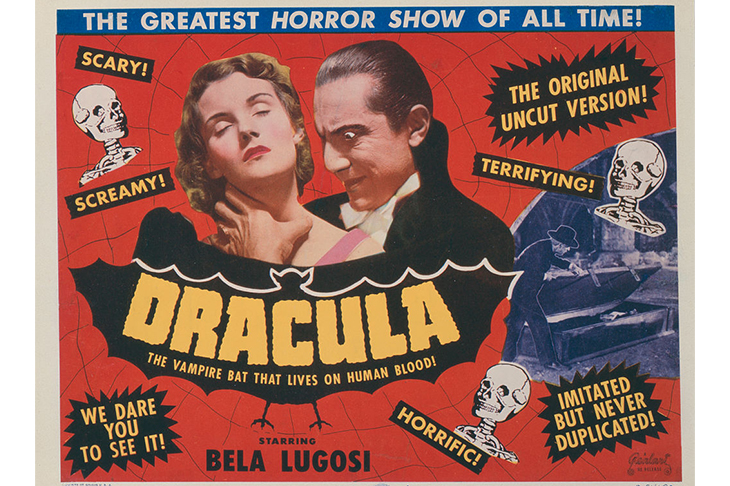
American politician Julius Caesar (J.C.) Watts once said, ‘Death and taxes may be inevitable, but they shouldn’t be related.’
He was right, yet here we are again, watching so called policy ‘experts’ insist the best way to fix Labor’s spending debauchery and Australia’s fiscal mess is to tax death itself. To turn the grave into a revenue stream.
They dress it up as an ‘intergenerational transfer tax’, which sounds almost compassionate. But do not be fooled. This is a tax on family itself, on the radical notion that what you grow and save might outlive you.
The pitch always starts with moral preening. ‘The inheritors did not earn it,’ they sniff, as if moral purity suddenly matters in public finance. Apparently, it is virtuous to confiscate what others earned, provided the victim is already dead.
But theft does not become righteous just because the corpse cannot complain.
Here is what the fiscal undertakers will not tell you: death taxes hit money that has already been taxed, repeatedly. The deceased saved their money from after-tax income; they paid GST on every purchase; and they paid Medicare levies, NDIS levies, capital gains, stamp duty, and council rates. By the time the government shows up at the funeral, it is taxing the same dollar for the third, fourth or fifth time. That is not reform. That is state-sanctioned deathbed banditry.
The reformers imagine torrents of unearned wealth pouring into the laps of idle trust-fund brats. But the reality is that most inheritances go to middle-aged children, many still paying mortgages, staring down retirement. They are not lounging on yachts. They are nurses, small business owners, or teachers who have worked and paid taxes their entire lives. These are the people the reformers want to punish for the crime of having parents who saved instead of spent.
People respond to incentives, even posthumous ones.
If you tax saving and investment that might be passed on, then people stop saving and investing. They consume instead. The craft gin and pokies industries might celebrate, but national productivity will not. Capital formation and accumulation drives economic growth. Death taxes strangle it. They punish thrift, reward short-term consumption, and discourage the patient work of building businesses that endure.
Supporters wave spreadsheets promising billions in new revenue. For a brief moment maybe, while accountants scramble and lawyers feast, revenue does tick up. Then people adapt. They move money offshore, spend it down, or shelter it in trusts. The tax take collapses, but the damage remains. The government ends up with less revenue, a weaker economy, and a generation trained to live for today because tomorrow gets confiscated anyway.
Reformers call inheritance recipients lucky. Sure. As lucky as anyone born to a family that worked, saved, and built something. Parents do not accumulate assets out of greed. They do it because they want to care for their children, even after they are gone. That instinct, to look beyond one’s own lifespan, is one of the few forces that reliably binds generations together.
Death tax defenders posture as champions of the young. ‘We must help those who don’t inherit,’ they cry. But their ‘help’ consists entirely of punishing those who do. They assume twenty-somethings would prefer a government grant funded by confiscated inheritances over one day inheriting something modest from their own parents. That requires a level of trust in bureaucratic redistribution that even Canberra’s mandarins might find embarrassing.
Fundamentally, death taxes punish virtue. Saving is virtue. Building a business is virtue. Leaving something for your children is virtue. The more you tax virtue, the more you incentivise vice.
And yes, other countries do it. Some used to, anyway. The US estate tax raises less than one per cent of total revenue and props up an entire legal avoidance industry. Britain’s inheritance tax mostly hits those too naive or unprepared to dodge it. Europe, having experimented with these levies, has been quietly dismantling them for years. France, Sweden and Norway all learned that chasing the dead is not a path to prosperity. It is a path to capital flight.
Beneath it all lies a deeper rot. The premise of the death tax is that nothing truly belongs to you, and that property exists only on loan from the state, to be recalled at death. If that is true, ownership is fiction. Property rights are a fiction.
Why build something you never really own? A society that discourages stewardship will end up with nothing worth stewarding.
The death tax flatters envy, punishes success, and mistakes resentment for justice. It assumes fairness means slicing the pie differently rather than baking a bigger one. It is the economics of spite dressed up as social policy. Watts had it exactly right: death and taxes may be inevitable, but they should not be related. One is a natural end; the other is a choice.
There is no law stopping anyone from donating their estate to the state. The option exists. The forms are available. Yet somehow, the policy ‘experts’ championing death taxes never seem to tick that box themselves. Funny, that.
They are awfully generous with other people’s money. Passionate about redistribution, so long as it is not their wealth being redistributed. They will write op-eds about equality and fair shares of tax all the while living comfortable taxpayer-funded offices lives while structuring their own affairs to minimise every dollar owed.
It is never them who should pay more. Always someone else. Preferably someone who cannot argue back because they are dead.
If these experts truly believed the state deserves a cut of every estate, they would lead by example. They would pledge their own inheritances. Set up trusts payable to Treasury. Make the grand gesture. But they will not. Because deep down, they know exactly what the rest of us know: the government will waste it, and their own children deserve better.
The crusade for death taxes is not about fairness. It is about control. And it is always easier to demand sacrifice when you are not the one making it.
If policy reformers insist on exhuming this rotten idea again, the rest of us should ask: who is really dead here? Not just the taxpayer. It is the very idea that you can build something, pass it on, and die knowing the state will not pick your bones clean before your children get a chance.
The grave robbers are back. And they are coming for what you leave behind.
Got something to add? Join the discussion and comment below.
Dimitri Burshtein is a Senior Director at Eminence Advisory. Peter Swan AO is professor of finance at the UNSW-Sydney Business School.
You might disagree with half of it, but you’ll enjoy reading all of it. Try your first month for free, then just $2 a week for the remainder of your first year.